Apple Gains Wider Evidence Access in OpenAI Trade Secrets Case
A federal judge has expanded Apple's early discovery in its trade secrets suit against OpenAI, io Products and two ex-employees, including records of AI tool use.
Apple has won broader access to evidence in its trade secrets lawsuit against OpenAI, io Products and two former employees, Chang Liu and Tang Tan. Judge Edward Davila granted several previously deferred discovery requests, giving Apple a deeper look at how confidential information may have been handled.
Apple filed the suit in July, accusing the defendants of improperly accessing or using confidential information about its products and technologies to advance OpenAI's consumer hardware efforts. It asked for a preliminary injunction to stop any further use of the alleged trade secrets, along with expedited discovery.
How the ruling unfolded
Earlier this month, Davila partially granted the expedited discovery request, giving Apple early access to select internal documents, forensic evidence and employee testimony. He held back on other items because he found Apple's definition of "Apple Originated Information" too broad. The parties then agreed on a narrower definition, which the judge adopted with modifications.
Under the new order, Apple can obtain records of Liu's use of ChatGPT, Claude, Codex, OpenClaw and other AI tools on personal and corporate devices and accounts. It can also get details on the devices, accounts and messaging apps Liu and Tan allegedly used to access, store or share confidential Apple information, and on any such information that may have been deleted or destroyed.
Apple can also seek testimony from OpenAI and io Products representatives about work involving Apple information on batteries, power management and metal finishing. Further testimony covers OpenAI's interviews with Apple employees, including whether confidential information was discussed or solicited, and the steps OpenAI took, or failed to take, to prevent unauthorized use or disclosure.
What was denied
The judge refused Apple's requests for details about OpenAI's own devices and accounts, its internal investigations and any deletion of confidential Apple information. He also rejected two corporate testimony requests as "too broad at this stage and better suited for merits discovery," so Apple can still pursue them through regular discovery.
The defendants have up to 14 days to produce the requested records and answer Apple's questions. The material could shape the case as it moves toward the preliminary injunction question and the broader merits.
More from this day
See all →
Discord Discoverable Servers to Appear in Google Search
IBM, Oracle, Intel and IonQ Object to OKX–ICE Tokenized Stocks
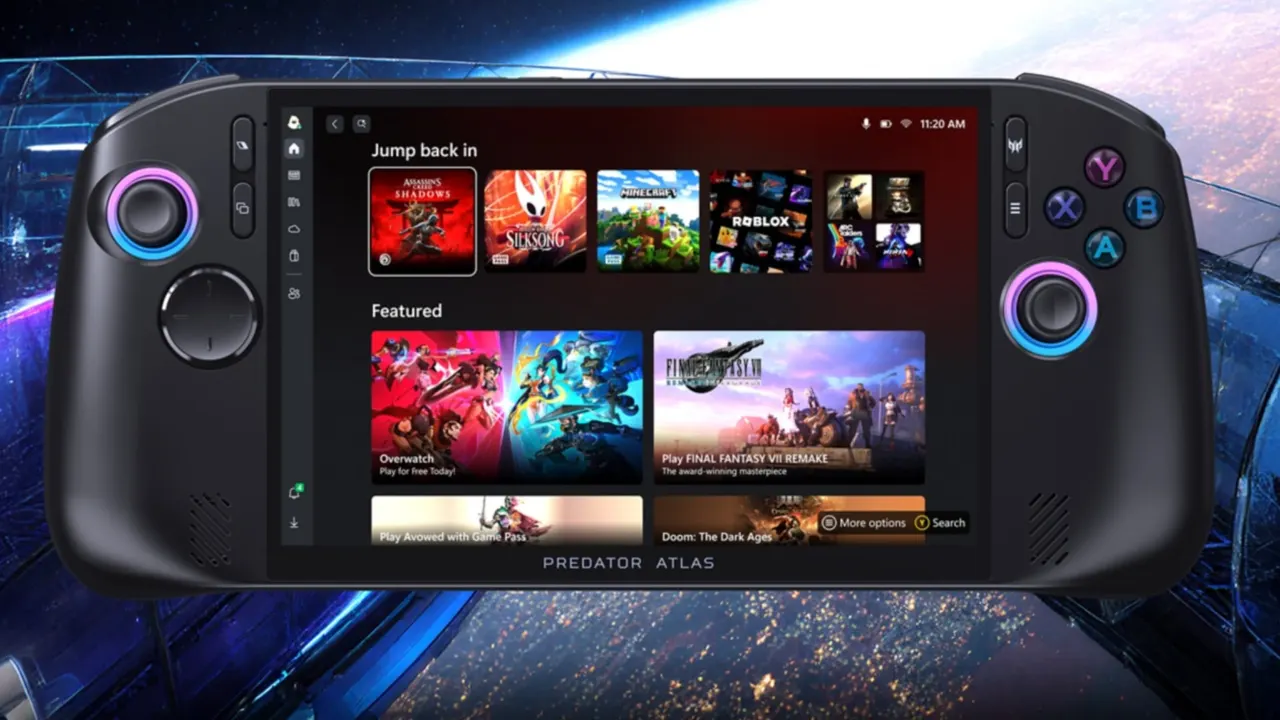
Acer Predator Atlas 8 Handheld Launches November 1 for $1,300
CF Benchmarks launches CFB Oracle to bring index data onchain
More in: Mobile
See all →
Apple Creator Studio adds AI features built on OpenAI models
Apple Unveils 14-inch MacBook Pro With M6 Chip From $1,999
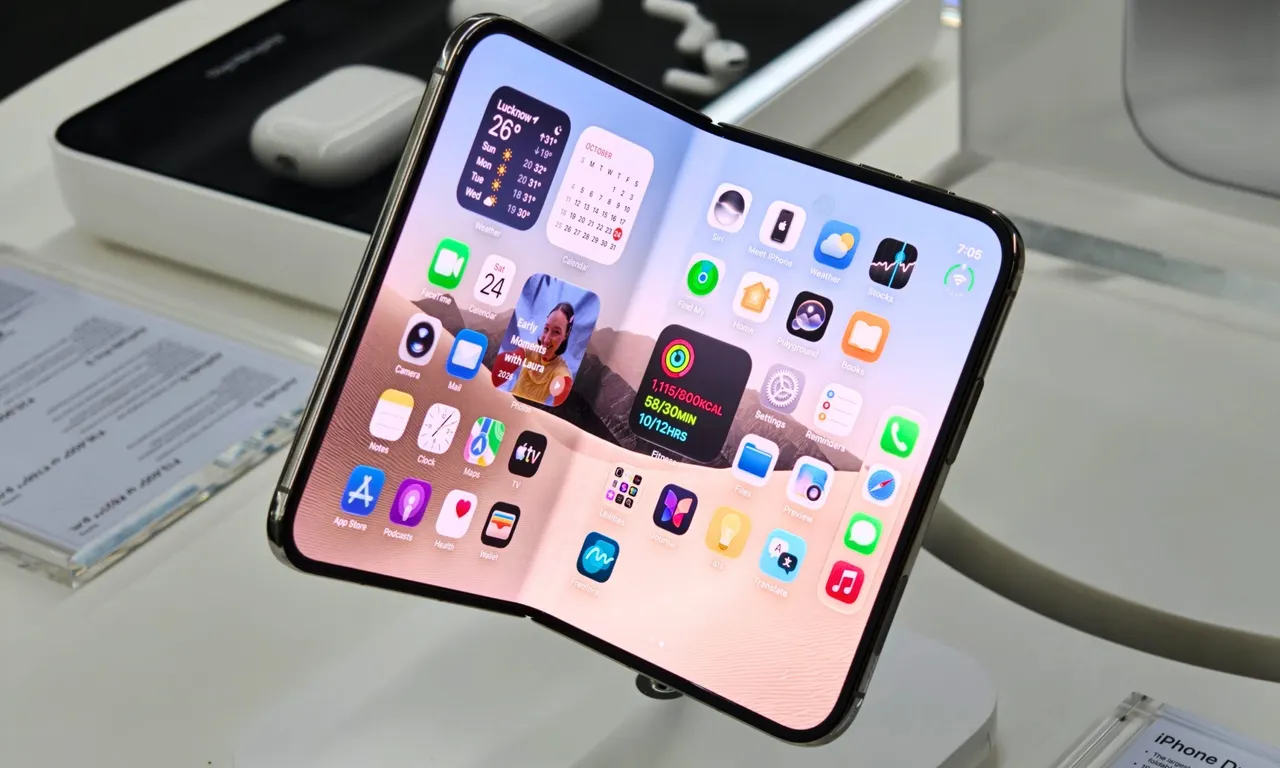
Apple Publishes iPhone Duo Repair Manuals on Launch Day