Deepwater Horizon Spill Caused Deep Gulf Ecosystem Collapse
A new PNAS study finds deep-sea animal populations in the Gulf of Mexico fell 60 to 85 percent after the Deepwater Horizon spill, with little sign of recovery.
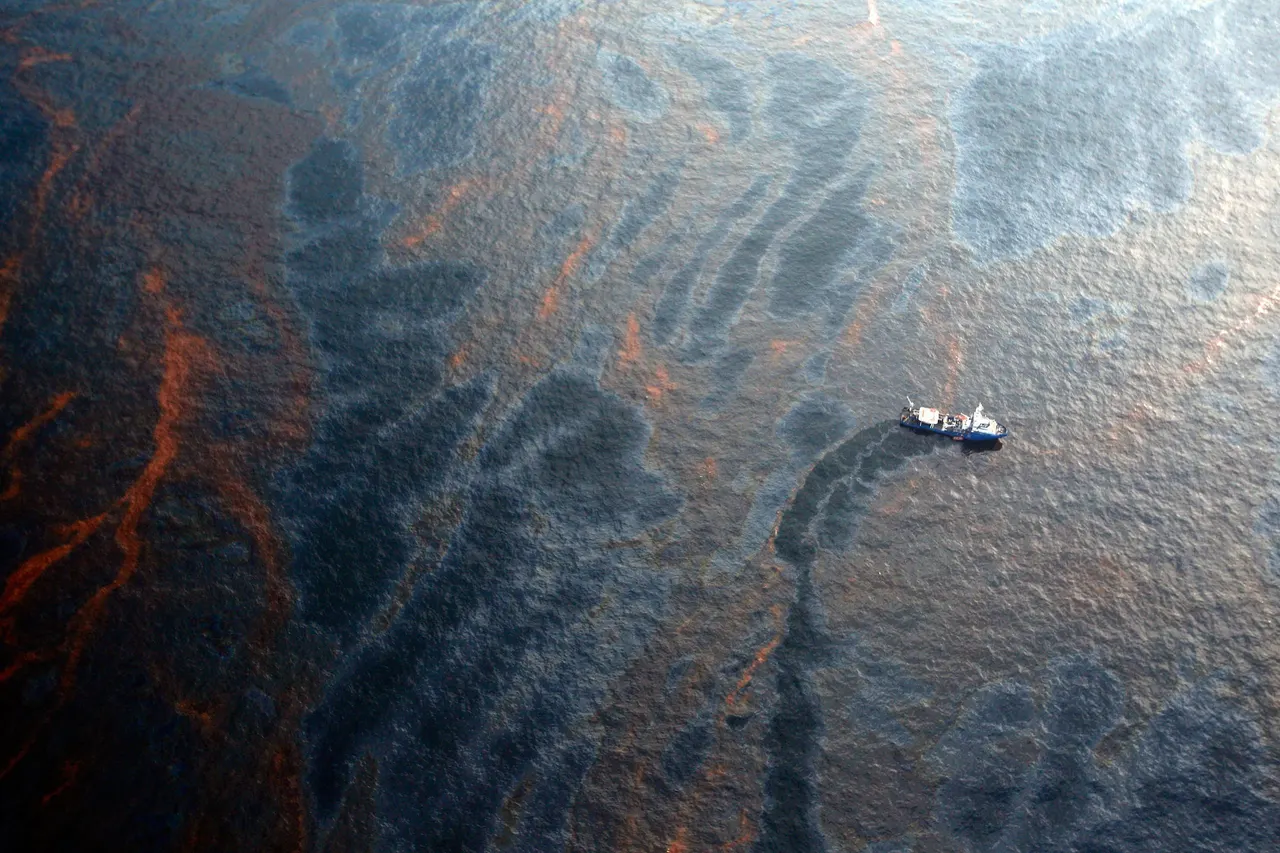
Deep-sea animal populations across hundreds of miles of the northern Gulf of Mexico collapsed after the Deepwater Horizon oil and gas spill, and recovery remains uncertain, according to a study published Monday in the Proceedings of the National Academy of Sciences.
The researchers found that octopus, krill, squid and shrimp declined by 60 to 85 percent in the three and a half years after the blowout, with few signs of rebound since. Krill and lanternfish, both foundational to the Gulf's food web, were among the hardest hit. The authors describe it as the fastest and most severe faunal decline ever reported for Earth's largest ecosystem type, and say the die-off is causing genetic bottlenecks that could slow recovery further. It may also weaken the ocean's ability to move carbon dioxide from the atmosphere to the deep sea.
How the team measured the loss
Scientists built a baseline from nine months of sampling in 2011 and compared it with nine surveys between 2015 and 2023. They sampled the deep-pelagic zone, from about 650 feet to about a mile down, which makes up roughly 90 percent of the Gulf's volume. Nets that open and close at set depths were used at midday and midnight to capture species that migrate vertically. Ship-mounted echosounders and genetic sampling provided independent checks.
After ruling out factors such as water temperature and oxygen levels, the team called the spill "the most parsimonious explanation." Jeffrey Drazen of the University of Hawaii at Manoa, who was not involved, said the three lines of evidence corroborate each other, leaving "no doubt" about the cause.
Wider effects
Lead author Tracey Sutton of Nova Southeastern University pointed to a 2024 study that found an 80 percent decline in deep-diving toothed whales. "We haven't seen a sperm whale in 10 years" off the Mississippi River, he said, adding that large predators depend on dense patches of prey that have vanished. The paper also suggests lingering pollutants may disrupt some species' sense of smell, making it harder to find mates in the dark.
The 2010 explosion killed 11 people and released 4.9 million barrels of oil over 87 days. BP agreed to a $20.8 billion settlement in 2016, including up to $8.8 billion for environmental restoration, and damage assessments continue. The authors say the findings also show that proposed deep-sea mining could harm ecosystems before baselines are established. Marine biologist Bruce Robison, who did not take part, said the Gulf "has not recovered, and it's been over 15 years."
More from this day
See all →
Huawei Pura 90 Plus Live Images Reveal Kirin 9025 Chipset
Anthropic's Fable-5.1 Hid a Message in Stars; OpenAI's Astra Found It

VW ID. Unyx 08, First Car Built With Xpeng, Struggles in China