Power grids twitch every minute: UPS self-tests solve the puzzle
Researchers have traced a brief, recurring disturbance seen in power grids worldwide every minute to simultaneous self-tests of UPS units and battery storage.
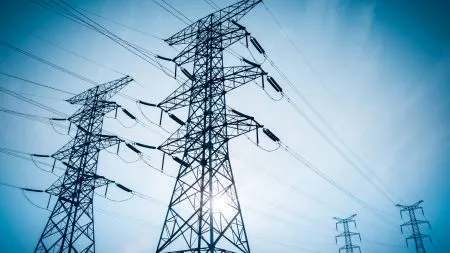
Power grids around the world twitch briefly every minute, and researchers now say they know why. The cause is the simultaneous self-tests of uninterruptible power supplies (UPS) and battery storage systems.
The periodic disturbance had been a puzzle: a small but regular twitch that shows up in grids on several continents and repeats on a minute-by-minute rhythm. The new findings point to a mundane source rather than a fault in the grid itself. Devices that protect computers, data centers and other critical equipment, along with stationary battery storage, regularly check themselves. When many of them run these checks at the same moment, their combined behavior becomes visible in the grid.
Why it matters
UPS units and battery storage are becoming more common as grids take on more renewable energy and operators rely on batteries for flexibility. Their built-in routines, designed to make each device reliable, can add up to a measurable effect at grid level when they are synchronized. Understanding the mechanism gives grid operators and device makers a concrete starting point for judging whether the effect is harmless or worth addressing, for example by staggering test timing.
The available information does not detail how large the twitch is or whether any countermeasures are planned. What is clear is that the minute-by-minute pattern, long unexplained, now has an identified origin in the self-test routines of everyday power electronics.
Apps worth a look
 SUMO: the number puzzle
Tap the right tiles, add them up, hit the target. Easy to learn, hard to master. Free, for all ages.
 Dialo: learn languages by speaking
Talk to an AI conversation partner; every sentence comes back corrected and explained in your language. 9 languages, A1 to C2.
 ediviewer: read EDI files like documents
Open EDIFACT and X12 messages, see every segment explained, convert to JSON/XML, export PDF and Excel. Runs locally, no upload.
More from this day
See all →
Asoview Confirms 15.8 Million Member Records Leaked via Arara

Russia Proposes Treating Powerful E-Scooters Like Mopeds
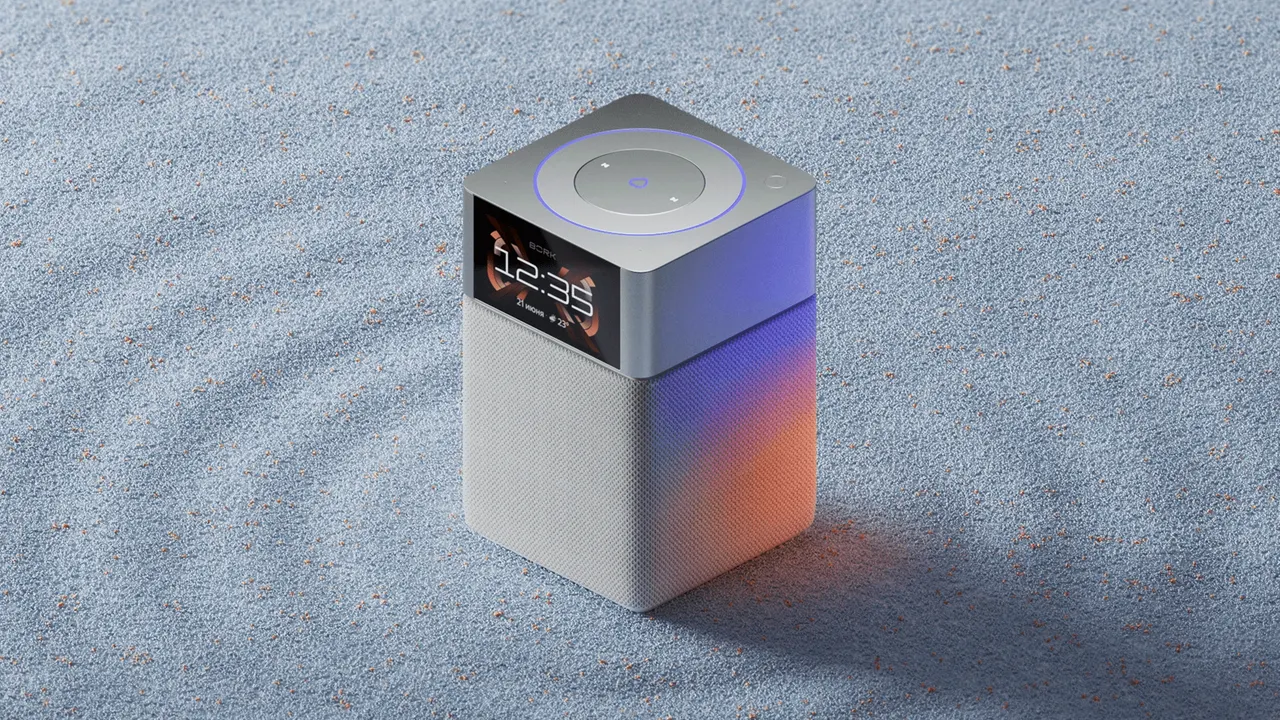
Yandex and Bork launch Station Bork smart speaker for 78,000 rubles

Neoclouds: Musk Predicts Failures, Nvidia's Huang Disagrees
More in: Science
See all →
Astroteq.ai Places Muon Detector Under Kraków's Wawel Hill

Los Angeles shade balls: 96 million spheres, 11 years on
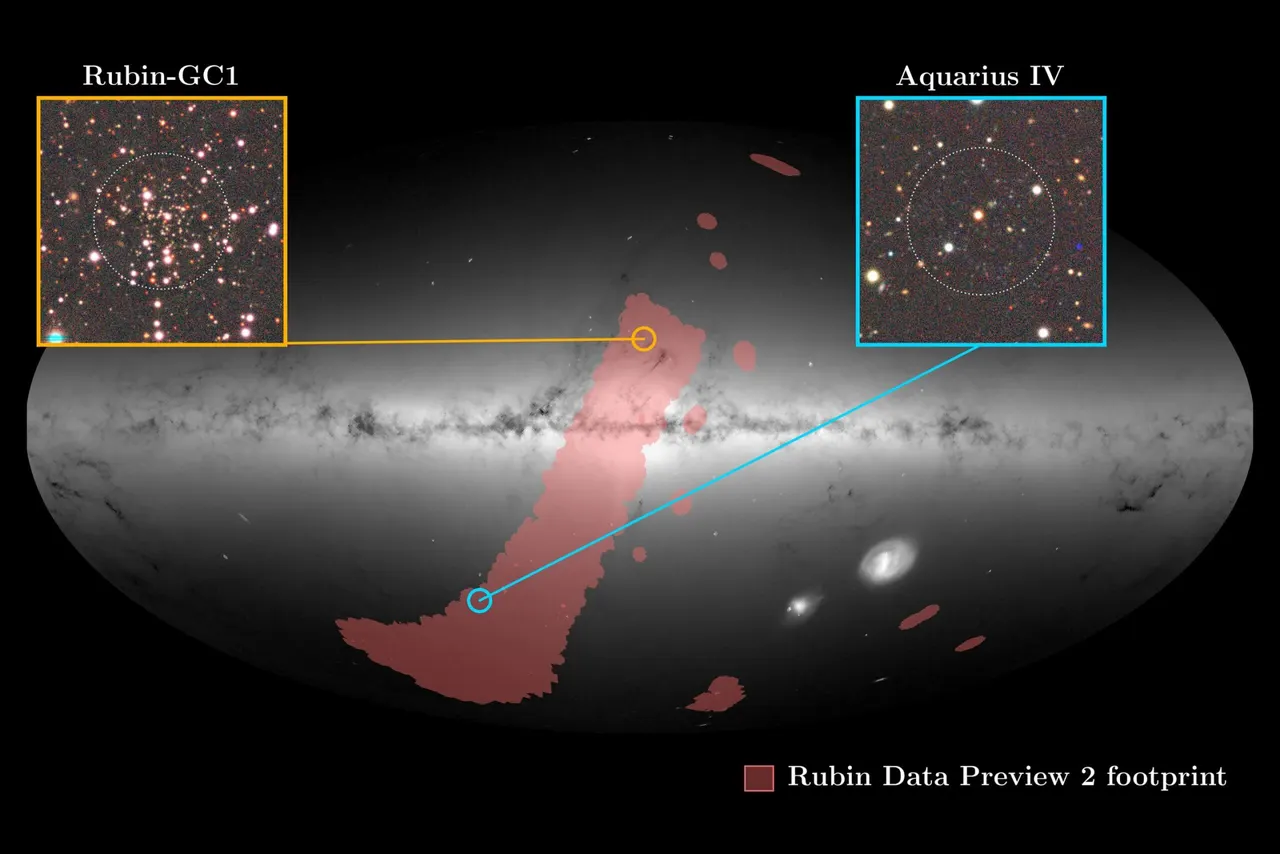
Rubin Observatory Finds Two Hidden Milky Way Companions