Neoclouds: Musk Predicts Failures, Nvidia's Huang Disagrees
Elon Musk expects many neoclouds to go under, while Nvidia's Jensen Huang says demand for AI compute will keep them afloat. Both have a stake in the outcome.
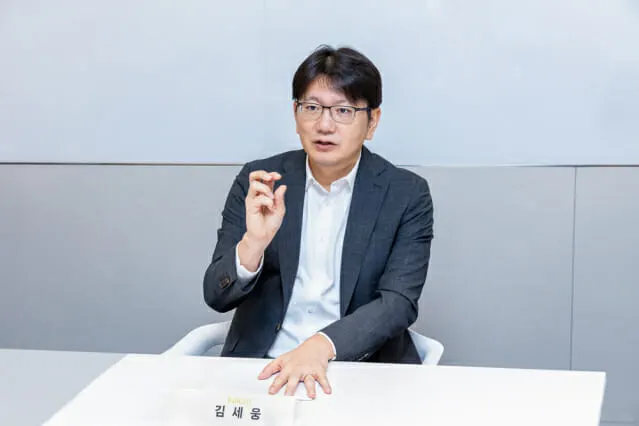
Elon Musk and Jensen Huang disagree sharply on the future of neoclouds, the companies that rent data center computing capacity to AI labs. Musk believes many of them are headed for bankruptcy in the medium term. Huang, Nvidia's chief executive, says demand will sustain them.
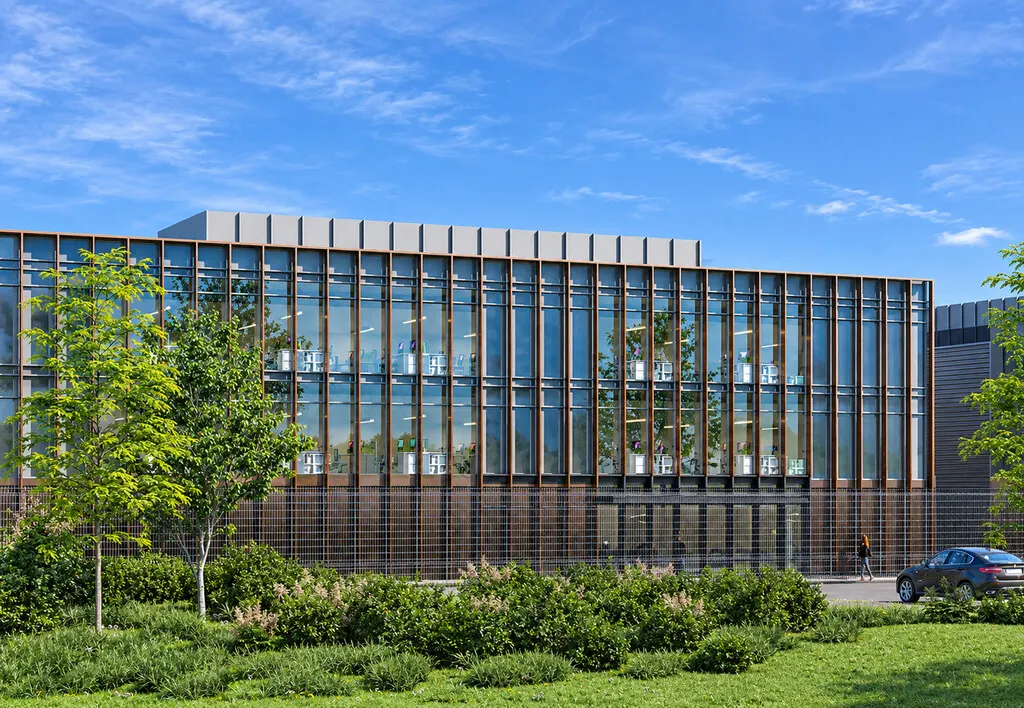
Neoclouds train and run models for others rather than building their own. Among the best known are CoreWeave, Lambda, Together AI, TensorWave and Nebius; the first four are American, and Nebius is based in the Netherlands.
Strong numbers, open questions
After four years of AI boom, at least some of these firms are doing well. Nebius booked 582 million dollars in revenue in the second quarter of 2026, and its annualized run rate reached 3 billion dollars by the end of June. CoreWeave reported 2.575 billion dollars in revenue for the same period, more than double a year earlier.
Commitments from AI labs are also large. OpenAI, Thinking Machines Lab, Perplexity and Cognition have together contracted more than 140 billion dollars of processing capacity from the neocloud Crusoe.
The financing argument
Neither man is a neutral observer. Nvidia leads the market for AI training and inference chips and profits from data center buildouts, while xAI has turned part of its infrastructure into a compute rental business for third parties.
Musk argues that companies that only rent out infrastructure will struggle to raise financing. According to him, SpaceX secured 40 billion dollars in debt to buy AI chips thanks to its credit rating and multiple revenue streams.
Huang counters that the liquidity problems some neoclouds face are temporary. He says demand for compute is so large that it will prompt new forms of financing. On August 10, Nvidia announced an agreement with six financial institutions, including BlackRock, Goldman Sachs and Blackstone, aimed at mobilizing more than 500 billion dollars in third-party capital for AI infrastructure.
That could help, but stock markets are reacting negatively to the risk that these companies' debt becomes unsustainable. 2027 is likely to be a decisive year for the sector.
Apps worth a look
 SUMO: the number puzzle
Tap the right tiles, add them up, hit the target. Easy to learn, hard to master. Free, for all ages.
 Dialo: learn languages by speaking
Talk to an AI conversation partner; every sentence comes back corrected and explained in your language. 9 languages, A1 to C2.
 ediviewer: read EDI files like documents
Open EDIFACT and X12 messages, see every segment explained, convert to JSON/XML, export PDF and Excel. Runs locally, no upload.
More from this day
See all →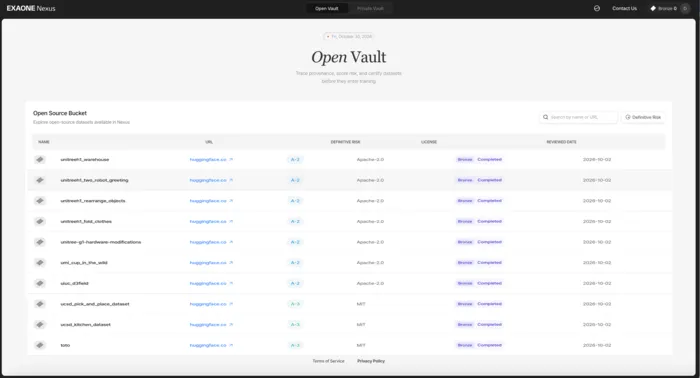
LG AI Research's EXAONE Nexus Cuts Copyright Vetting Cost 1,000-Fold
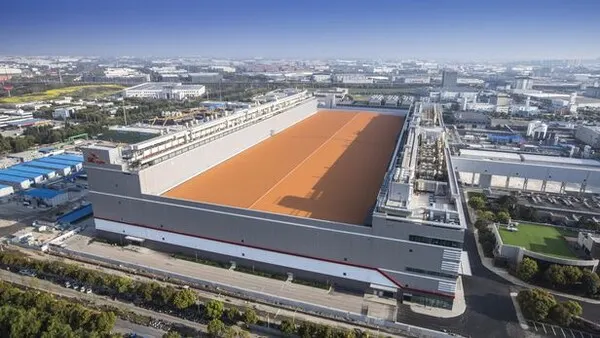
US Holds Off on SK Hynix Dalian Expansion Equipment Licence

Sigma FP2 Orders Outstrip Supply on First Day of Pre-Orders