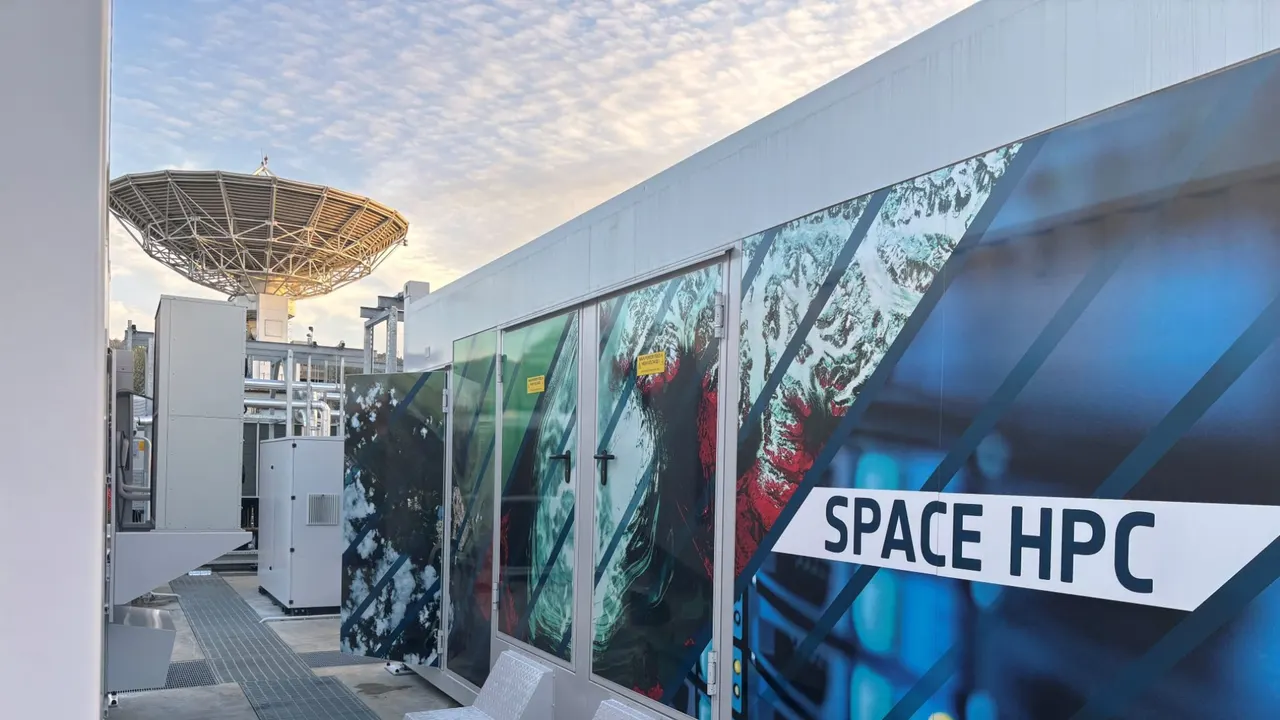
Waste to chemicals: Polish team turns biowaste into raw materials
A team led by Prof. Piotr Oleśkowicz-Popiel uses microbial communities to turn biowaste into caproic acid, a building block for cosmetics, food and possibly jet fuel.
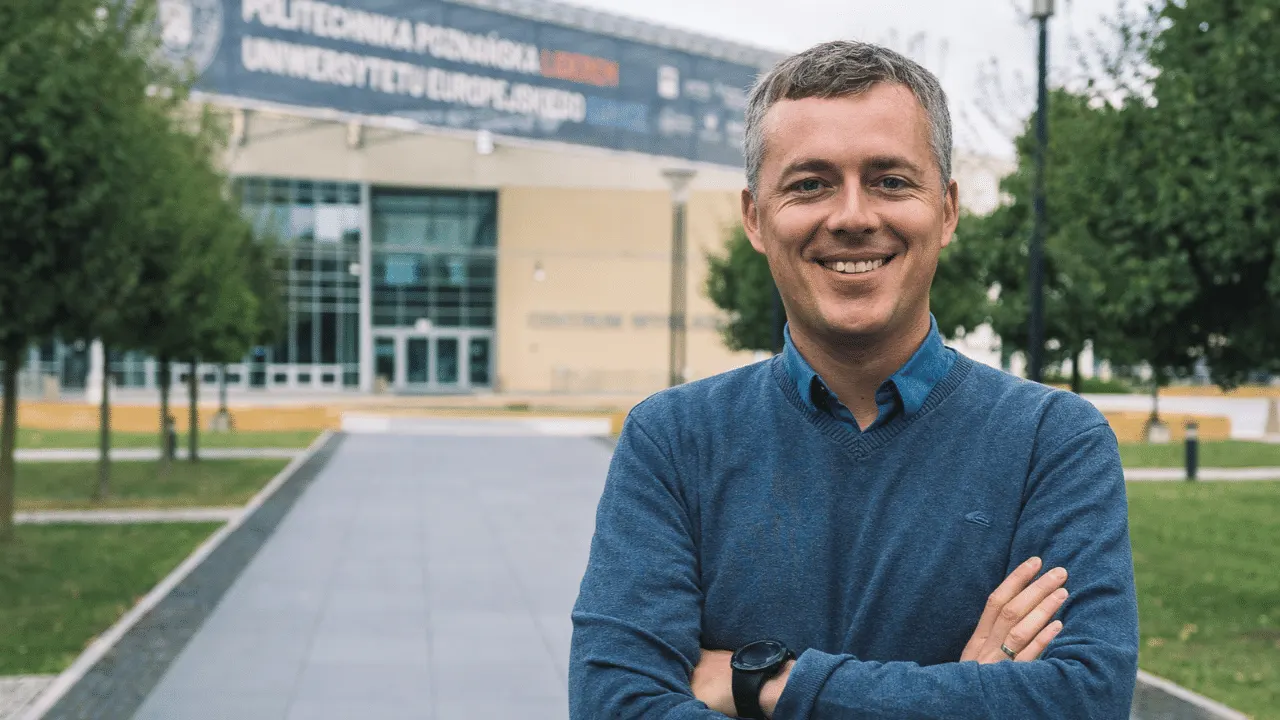
Food-industry leftovers and household biowaste could become a feedstock for chemicals now made from oil. Prof. Piotr Oleśkowicz-Popiel and his team are developing a fermentation process in which whole communities of microorganisms convert waste into valuable compounds. The technology is also being developed within the PRIME programme of the Foundation for Polish Science.
Communities instead of single strains
The process is not like brewing beer or pickling cabbage. Instead of one isolated bacterial strain, the researchers use mixed cultures. A single strain usually needs a very specific food, while a community can digest a more complex mixture. The waste therefore does not have to be uniform or perfectly clean. The team has worked with acid whey, and other possible sources include kitchen waste, fruit-juice residues and vegetable processing leftovers.
One of the main products is caproic acid, a medium-chain carboxylic acid regarded as a platform compound. It has an unpleasant smell, but its derivatives can smell fruity and are used in fragrances and food additives. According to the professor, it can also be a starting point for cosmetics, cleaning products and, in the future, aviation fuels.
Lower carbon footprint, but scale-up ahead
Preliminary calculations by the team suggest products made from biowaste could have a carbon footprint up to 80 percent lower than fossil-based equivalents. The researcher stresses that no process is emission-free, since fermentation and further processing need energy.
The biggest challenge is scaling up. The team currently has a laboratory reactor of a dozen or so litres and is designing a demonstration plant of up to 1,000 litres. Conditions such as temperature, mixing and pH are harder to keep uniform in larger tanks, and microorganisms react to such differences, so an intermediate scale is needed.
From the lab to the market
The group has worked on this for about a decade. PRIME is meant to help it view the technology through the eyes of customers and investors. Łukasz Łowiński is the technology transfer officer and Dr Filip Brodowski the business leader. Oleśkowicz-Popiel and Brodowski are also talking with the university about setting up a spin-off company. The professor says that going from first research to a real commercialisation attempt can take around ten years.
Apps worth a look
 SUMO: the number puzzle
Tap the right tiles, add them up, hit the target. Easy to learn, hard to master. Free, for all ages.
 Dialo: learn languages by speaking
Talk to an AI conversation partner; every sentence comes back corrected and explained in your language. 9 languages, A1 to C2.
 ediviewer: read EDI files like documents
Open EDIFACT and X12 messages, see every segment explained, convert to JSON/XML, export PDF and Excel. Runs locally, no upload.
More from this day
See all →
Renault Twingo tops French EV sales in October 2026
FDJ UNITED Ventures: €110M Corporate Fund Backs Early-Stage Startups
Sam Altman Meets Samsung and SK Leaders to Deepen Stargate Ties

Teameasy Wins TIPS Grant to Build Explainable AI for Used-Car Warranty Insurance
More in: Science
See all →
Physicists trap a single positron for months in quantum cyclotron

European Power Grid's Mysterious 60-Second Pulse Traced to UPS Units

ESA-backed JASPER system will warn pilots of GPS spoofing