Physicists trap a single positron for months in quantum cyclotron
A Northwestern University team has held one positron, the electron's antiparticle, for months in a quantum cyclotron, paving the way for a far sharper matter-antimatter test.
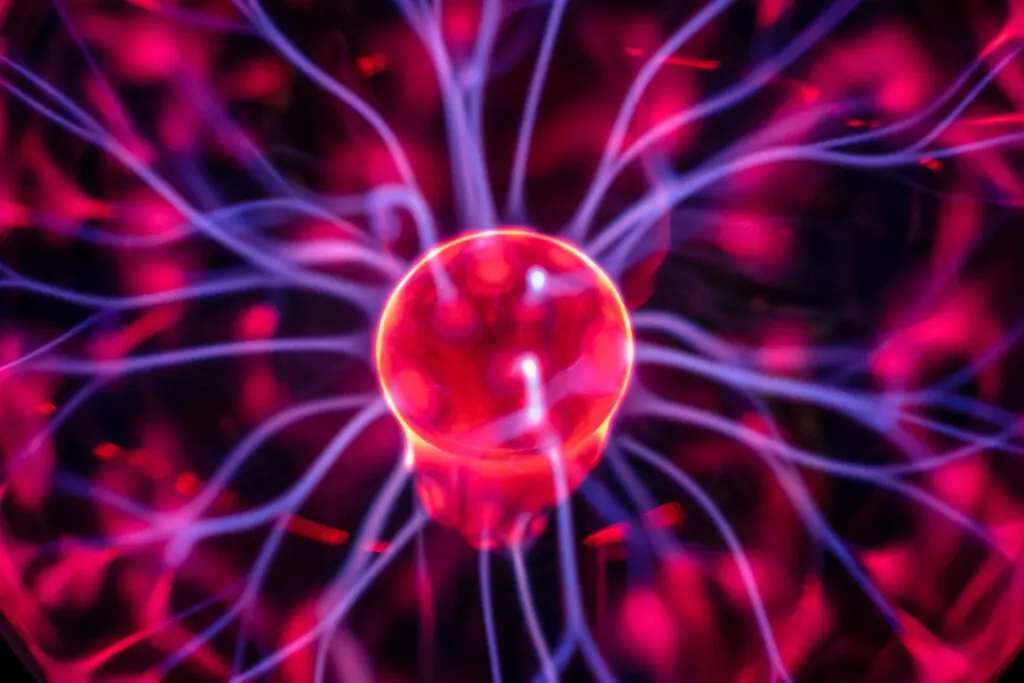
A team of physicists has trapped a single positron, the antiparticle of the electron, and kept it suspended for months. The result, published in Physical Review Letters, describes what the researchers call a "single-positron quantum cyclotron" and opens the door to a stringent test of the foundations of modern physics.
Antimatter is notoriously hard to handle: on contact with ordinary matter, both annihilate in a flash of energy. Keeping a particle isolated for months is therefore a major technical feat.
How the positron is caught
The positron comes from a radioactive sodium-22 source and emerges with enormous energy. To study it, the scientists must cool it to 300 millikelvin, just a fraction of a degree above absolute zero, which means cutting its energy by more than ten orders of magnitude in a very short time.
To load it into a magnetic trap, the team lets the positron briefly bind with an electron to form positronium, an exotic, electrically neutral atom. Having no charge, it can slip through a tiny opening of only 625 micrometers into a trap, where a strong electric field ionizes it and leaves the positron captured. Loading a single positron takes between 8 and 11 hours.
Why it matters
According to the Standard Model, the Big Bang should have produced equal amounts of matter and antimatter, yet the universe today is made of matter. Physicists have searched for decades for a difference that explains it. Electron and positron should be perfect mirrors, with identical mass and a magnetic moment, the g-factor, of equal size but opposite sign.
In 2023 the same Northwestern University group measured the electron's g-factor to 0.13 parts per trillion. The standing electron-positron comparison dates from 1987 and shows they are equal to 2.1 parts per trillion. The researchers estimate the new device could improve the precision of the positron's magnetic moment measurement about 30-fold.
The high-precision measurement itself has not yet been made; so far the apparatus has been shown to work. Team leader Gerald Gabrielse says that if electron and positron turn out not to be equal, it would be the biggest discovery in physics in the last century.
Apps worth a look
 SUMO: the number puzzle
Tap the right tiles, add them up, hit the target. Easy to learn, hard to master. Free, for all ages.
 Dialo: learn languages by speaking
Talk to an AI conversation partner; every sentence comes back corrected and explained in your language. 9 languages, A1 to C2.
 ediviewer: read EDI files like documents
Open EDIFACT and X12 messages, see every segment explained, convert to JSON/XML, export PDF and Excel. Runs locally, no upload.
More from this day
See all →
Pixel Watch 4 drops to €249 as Black Friday smartwatch deals start

KT Halts New 3G Sign-Ups After SK Telecom, Nearing Shutdown
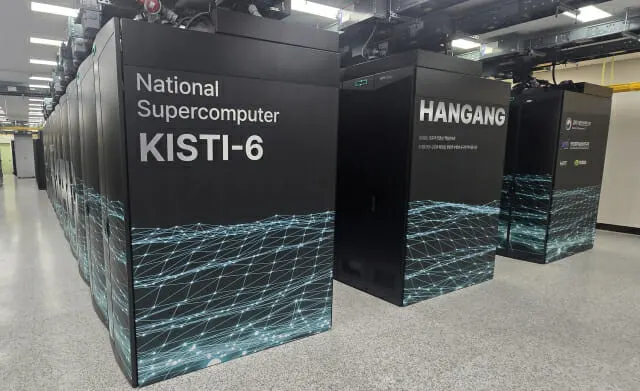
South Korea Launches Hangang, Its 8,496-GPU National Supercomputer

ZIGU LABS Unveils GBR, a Non-Transformer Sovereign AI System
More in: Science
See all →
European Power Grid's Mysterious 60-Second Pulse Traced to UPS Units

ESA-backed JASPER system will warn pilots of GPS spoofing
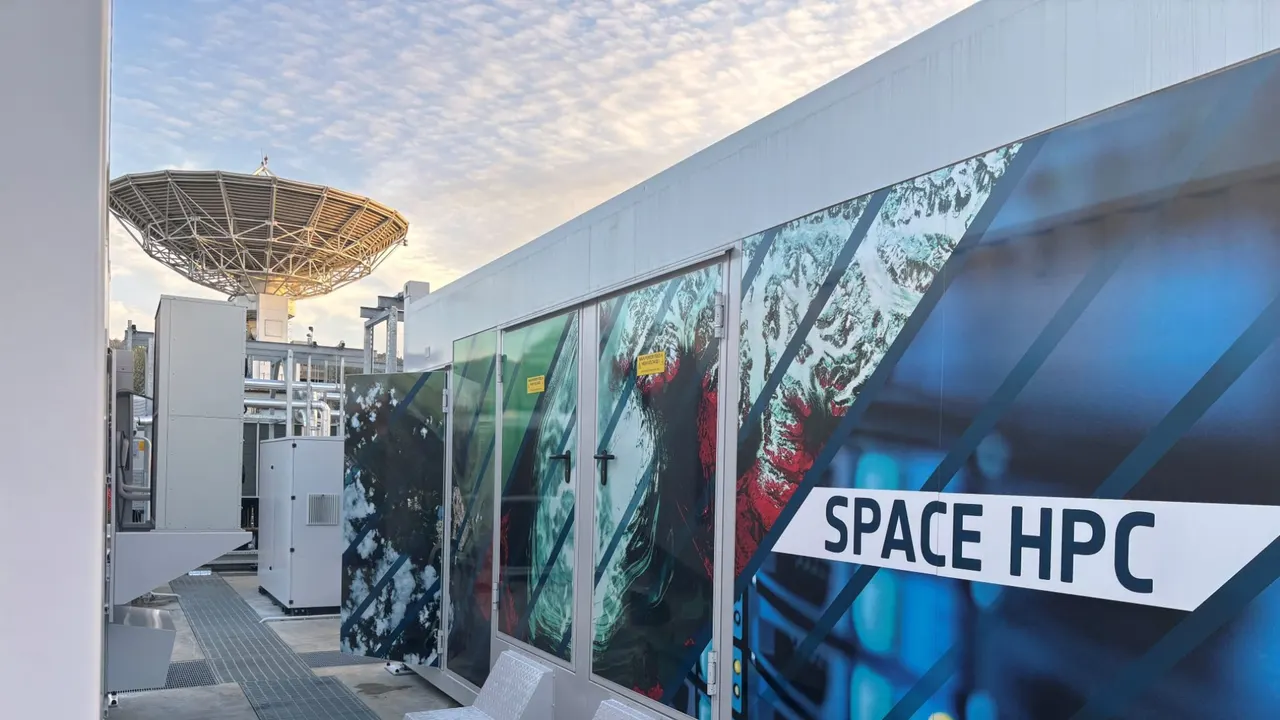
ESA's Space HPC supercomputer packs 5 petaflops for space data