Google's Gemma 4 Writes a Haiku in Orbit for Project Suncatcher
Google says an AI model running on TPU chips aboard a satellite generated a haiku in orbit, a first step toward solar-powered data centers in space.
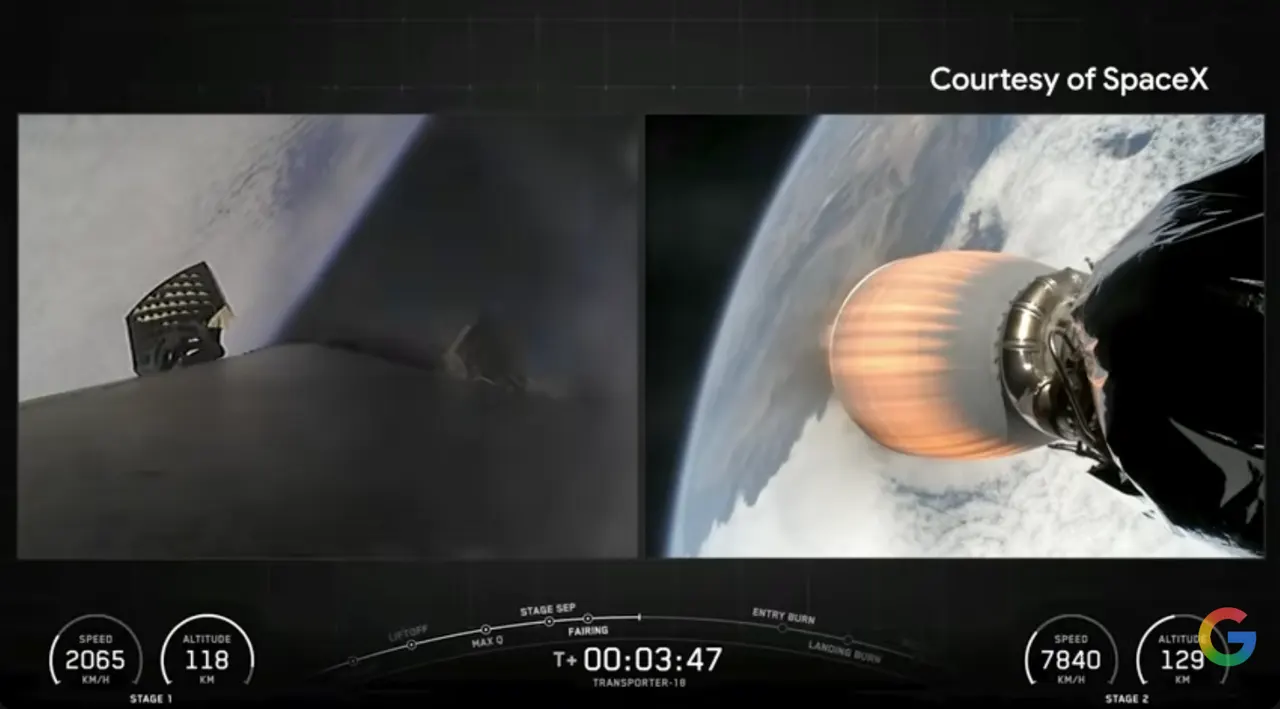
Google announced on October 30 that it asked an AI model on a satellite to write a haiku and received the answer on the ground. The model was Gemma 4, and the request was for a poem about space.
The reply was three lines: "Blue marble below / Data streams in silent grace / Starlight feeds my core." According to Google, it arrived while the satellite was passing over Norway's Svalbard archipelago.
The company says this is the first time a data-center-class AI chip, its TPU, has generated an AI response in Earth orbit.
Why put AI hardware in space
The experiment is part of Project Suncatcher. AI data centers consume large amounts of electricity, and Google is looking at sunlight in space as a power source. In certain low Earth orbits, a satellite can receive sunlight almost continuously, which means more usable solar energy than on the ground.
The long-term idea is to fit TPUs onto several solar-powered satellites and link them with laser communications, so they can exchange data and carry out large AI workloads together.
Google unveiled the concept in November 2025. On October 1, 2026, it launched a prototype satellite, developed with satellite-imagery company Planet, on a SpaceX rocket.
Open problems
Several obstacles remain. Space exposes chips to stronger radiation than the ground does, so Google must confirm that they keep working reliably.
Cooling is another major challenge. AI chips generate heat when computing, and the vacuum of space has no air to carry it away. Google is studying cooling methods such as radiator panels.
Next, the company plans to study temperature changes and radiation effects in orbit in detail. In 2027 it aims to run an experiment that interconnects two satellites.
Apps worth a look
 SUMO: the number puzzle
Tap the right tiles, add them up, hit the target. Easy to learn, hard to master. Free, for all ages.
 Dialo: learn languages by speaking
Talk to an AI conversation partner; every sentence comes back corrected and explained in your language. 9 languages, A1 to C2.
 ediviewer: read EDI files like documents
Open EDIFACT and X12 messages, see every segment explained, convert to JSON/XML, export PDF and Excel. Runs locally, no upload.
More from this day
See all →Spill Games raises Rs 100 crore Series A led by Elevation Capital
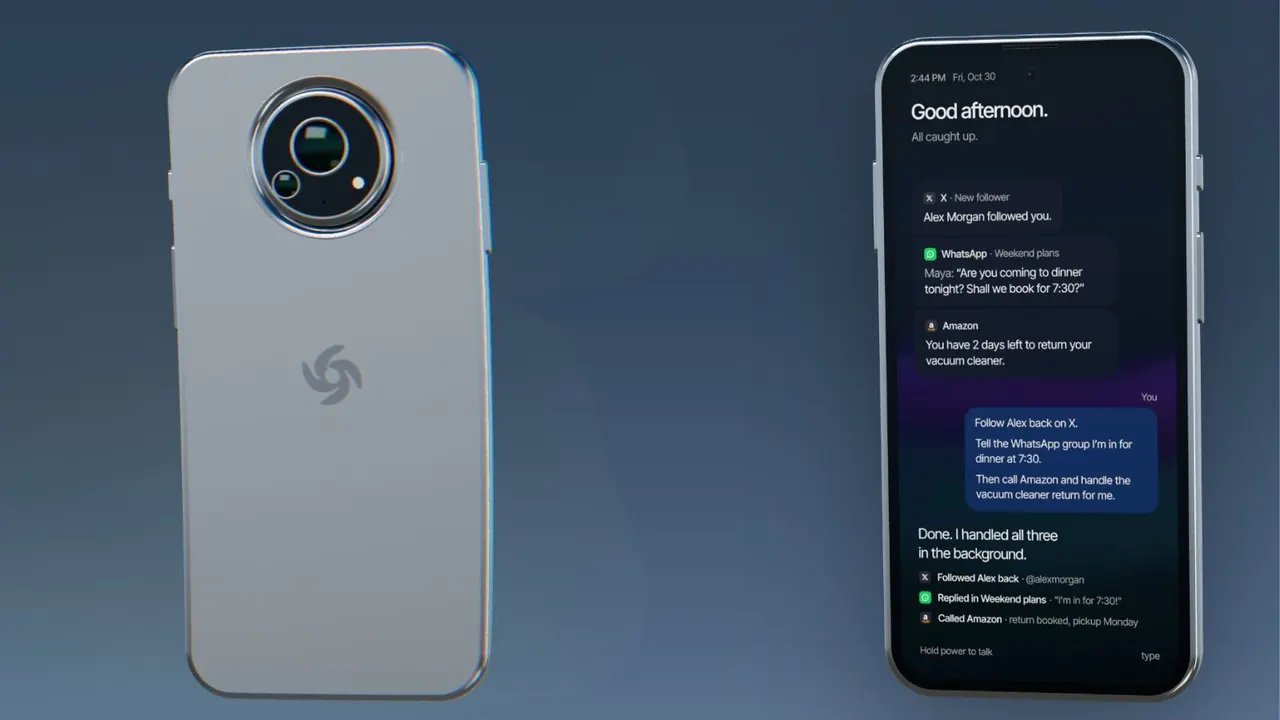
Cyclon Opens Pre-Orders for $699 AI Agent Phone Built on Pixel 8a

OpenAI Doubles ChatGPT Pro and Business Premium Usage Limits

Astroteq.ai Places Muon Detector Under Kraków's Wawel Hill
More in: Space
See all →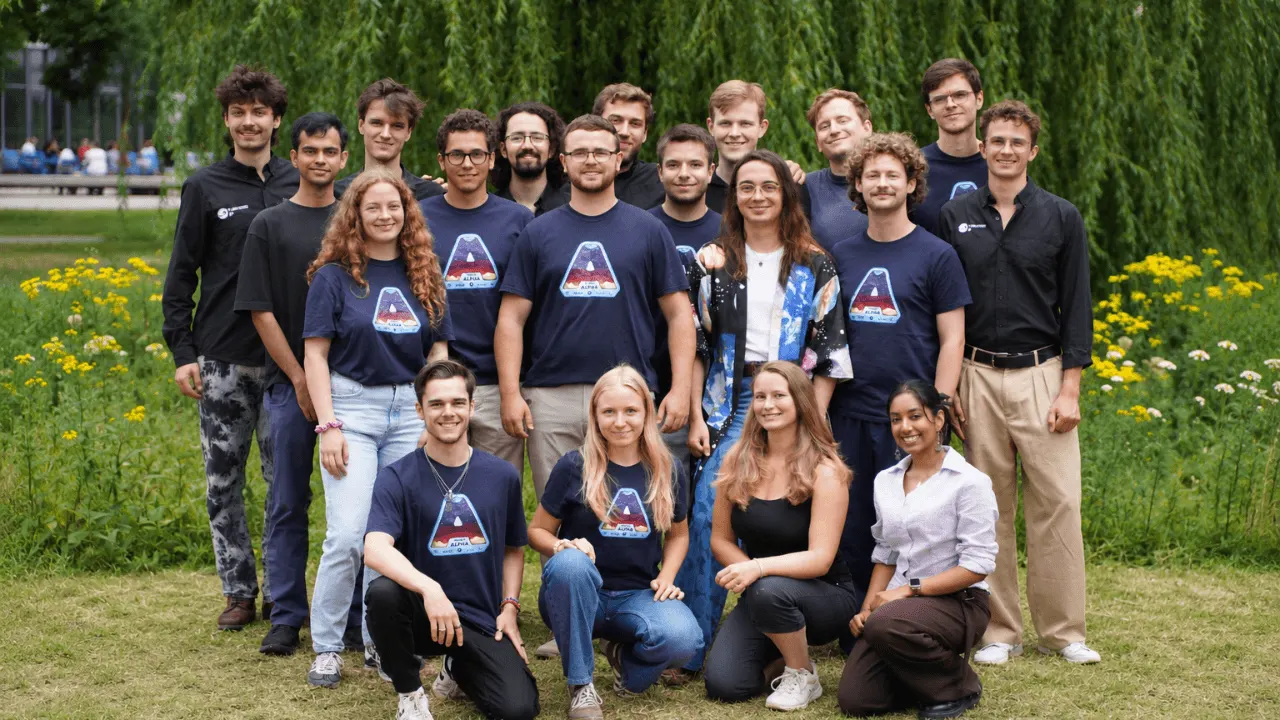
Tumbleweed raises €6.9M, Austria's largest spacetech seed round
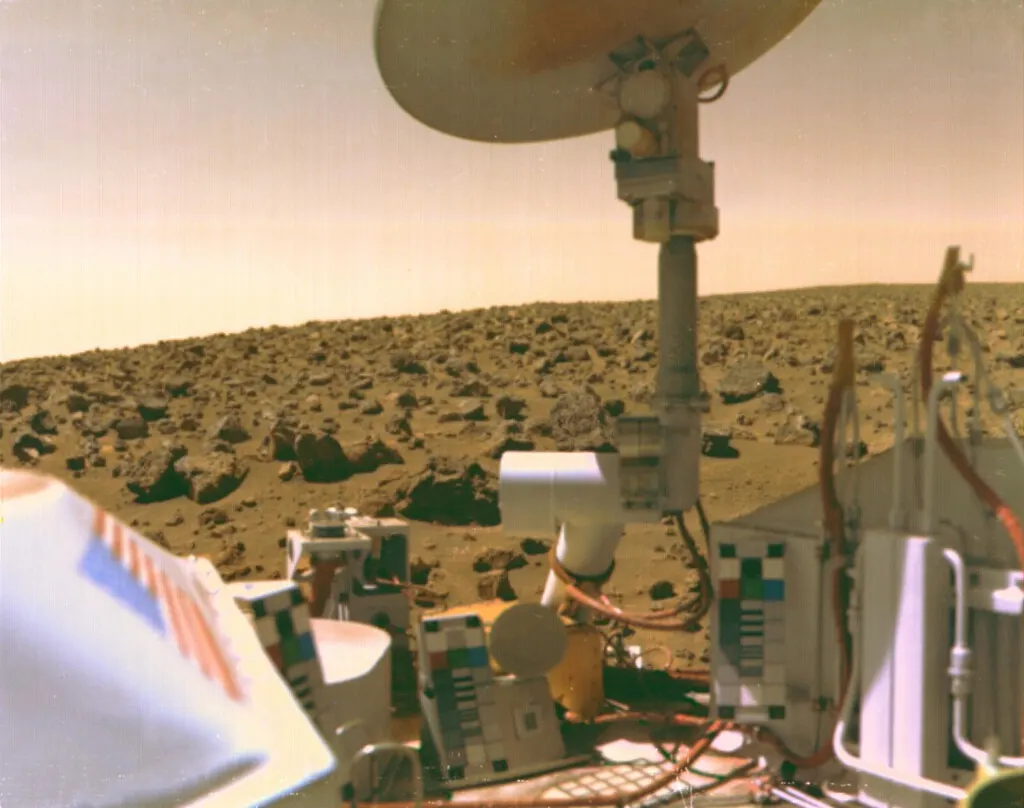
Viking 2 Data May Hold the Oldest Marsquake Ever Recorded
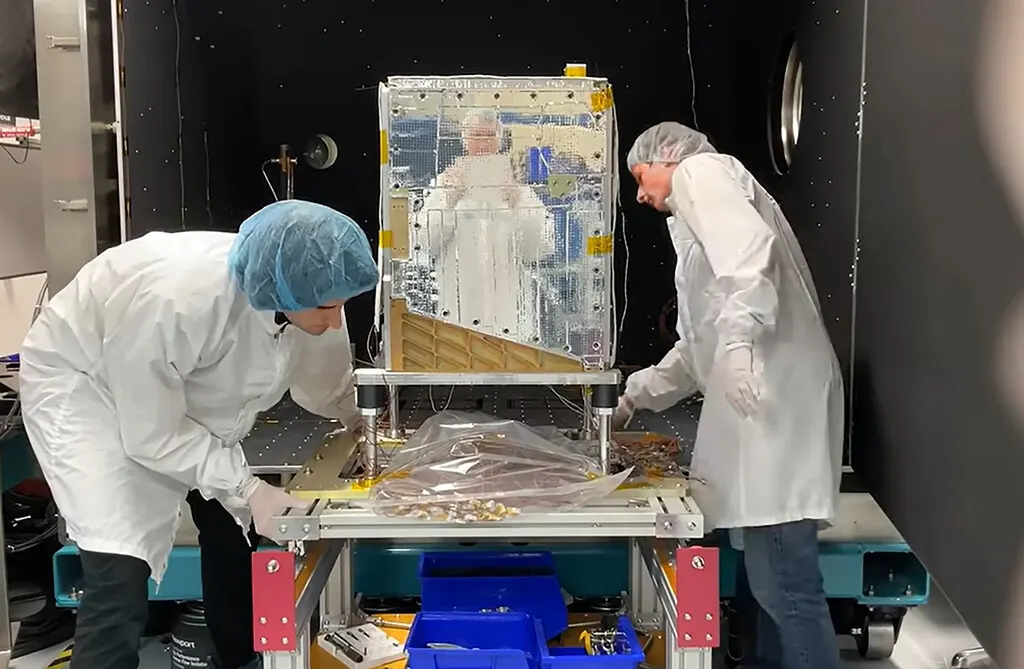
Google Runs Gemma 4 on a TPU in Orbit in Suncatcher Test