Google: Orbital AI Data Centers Cost 100 Times More Than Earth
Google says building AI data centers in orbit could cost up to 100 times more than on Earth, even as its Project Suncatcher satellite completes a first AI test.
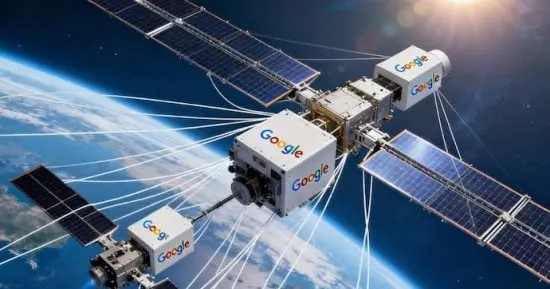
Building AI data centers in space could cost up to 100 times as much as building them on the ground, according to Google. Amanda Peterson Corio, the company's head of data center energy, said the available options on Earth should be exhausted before the industry looks to orbit.
She noted that the United States has the capacity to supply the power needed to expand AI infrastructure, and that delays in obtaining permits are among the main obstacles to new facilities.
Project Suncatcher reaches orbit
Google is nonetheless studying the idea through Project Suncatcher, a research effort to build a network of satellites fitted with AI processors that act as computing centers around the planet. The satellites carry specialized chips and solar panels to generate their own electricity.
The first Suncatcher satellite, roughly the size of a refrigerator, reached orbit on 1 October. Its purpose is to test whether Tensor Processing Unit (TPU) chips can withstand radiation, extreme temperatures and harsh conditions in space. On 30 October Google announced the first AI test, called Hello World, in which the Gemma 4 model was asked to write a haiku about existing in space. The request was processed on board and the result sent back to Earth.
The satellite has four TPUs and can generate up to 1 kilowatt of power. Because of the chips' energy use, only one processor can run at a time, for about 20 minutes. In 2027, Google plans to test two satellites that can communicate and exchange data.
A wider race
Google is not alone. SpaceX plans to test orbital computing systems by late 2027, with broader deployment targeted for 2028. Blue Origin has unveiled Project Sunrise, a satellite network meant to serve as space-based data centers.
China is also competing. CASC has announced plans for gigawatt-scale space computing infrastructure within five years, and startups such as ADA Space have already launched satellites for the Three-Body Computing Constellation.
The projects show that the contest over AI is moving beyond chips and models to the search for new locations and energy sources. For now, the cost remains the main barrier to turning orbital data centers into large-scale commercial projects.
Apps worth a look
 SUMO: the number puzzle
Tap the right tiles, add them up, hit the target. Easy to learn, hard to master. Free, for all ages.
 Dialo: learn languages by speaking
Talk to an AI conversation partner; every sentence comes back corrected and explained in your language. 9 languages, A1 to C2.
 ediviewer: read EDI files like documents
Open EDIFACT and X12 messages, see every segment explained, convert to JSON/XML, export PDF and Excel. Runs locally, no upload.
More from this day
See all →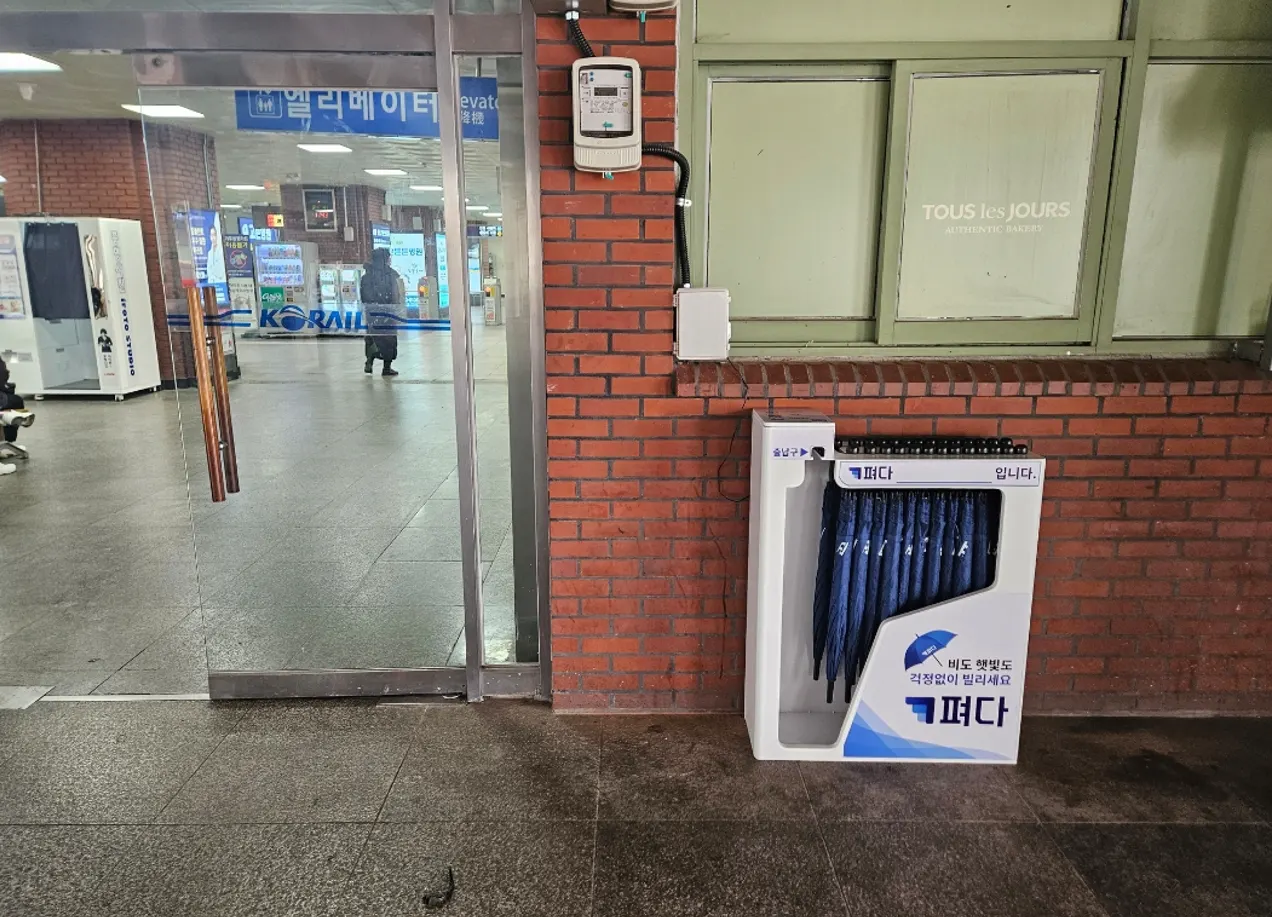
Pyeoda Puts Free Umbrella Rental Stations in Every Daegu Subway Station
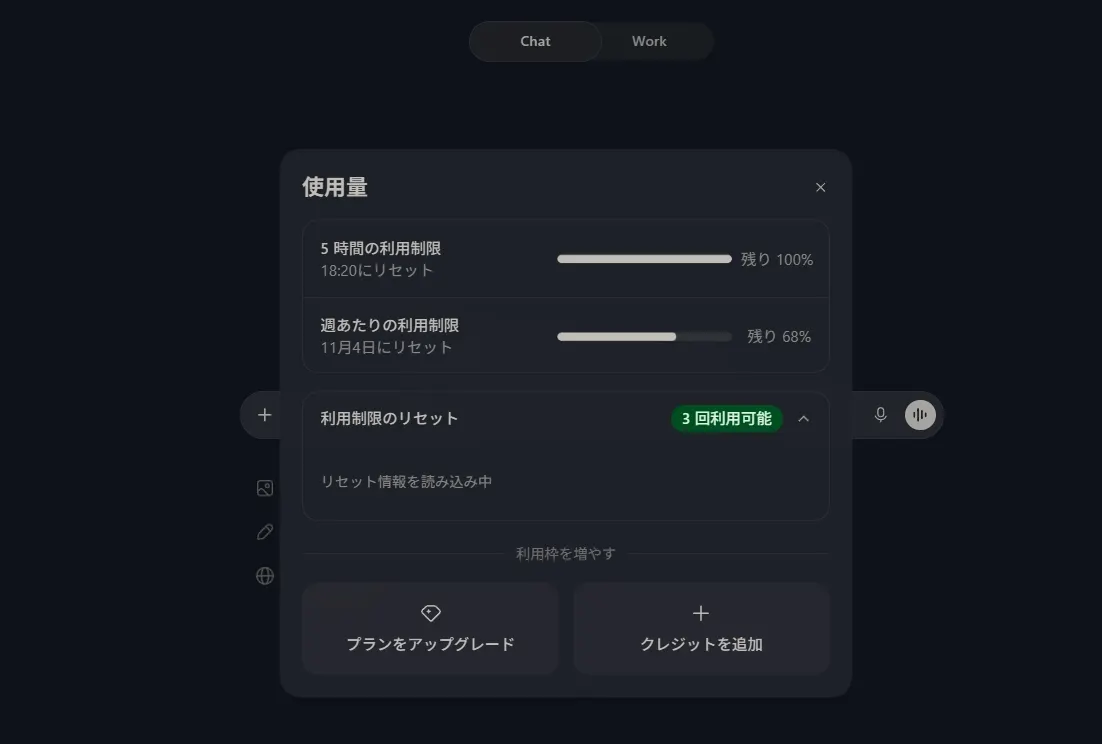
OpenAI to Merge ChatGPT's Chat and Work Tabs, Share Codex Limits
Blue Arbor Technologies Raises $10.5M Series A Led by Ottobock

Hyogo Police Sign Mountain Rescue Pact With YAMAP Hiking App
More in: Space
See all →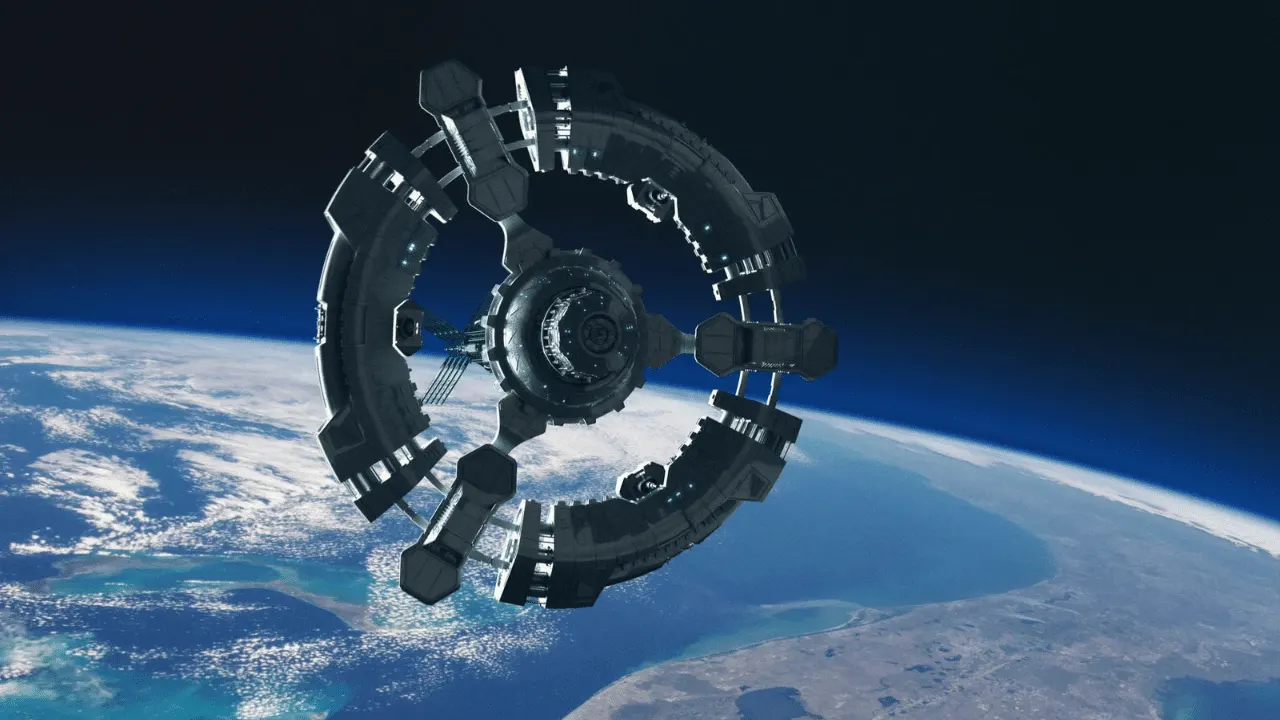
EIB and Deutsche Bank Aim to Mobilise €560M for European Space

South Korea Plans First Orbital Space Data Center Test in 2028
SpaceX Starfall Capsule Returns US Army Supplies From Orbit