SpaceX Starfall Capsule Returns US Army Supplies From Orbit
A SpaceX Starfall capsule carried military rations, medical gear and electronics to orbit and back, giving the US Air Force Research Laboratory its first rocket-cargo data.
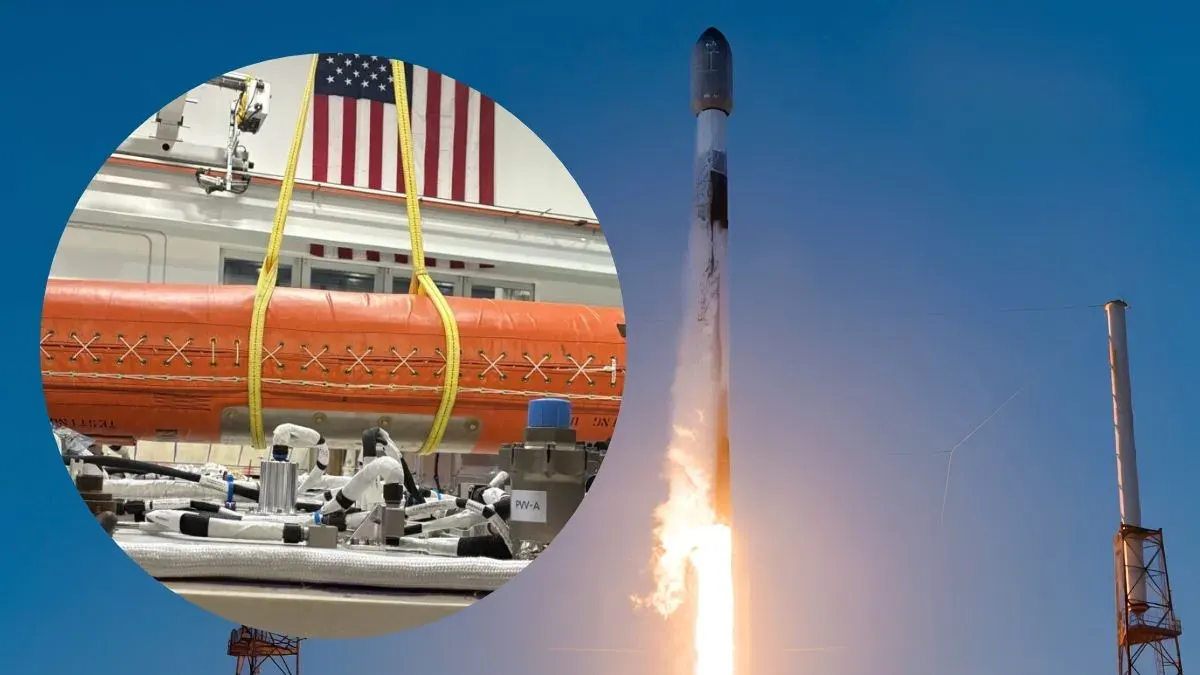
A SpaceX Starfall capsule has carried US military supplies into space and returned them intact, a step forward for the Pentagon's plan to deliver equipment anywhere on Earth in under an hour. The Air Force Research Laboratory (AFRL) confirmed the successful operation on 26 October and released photos of soldiers unpacking the recovered gear.
What flew on Starfall
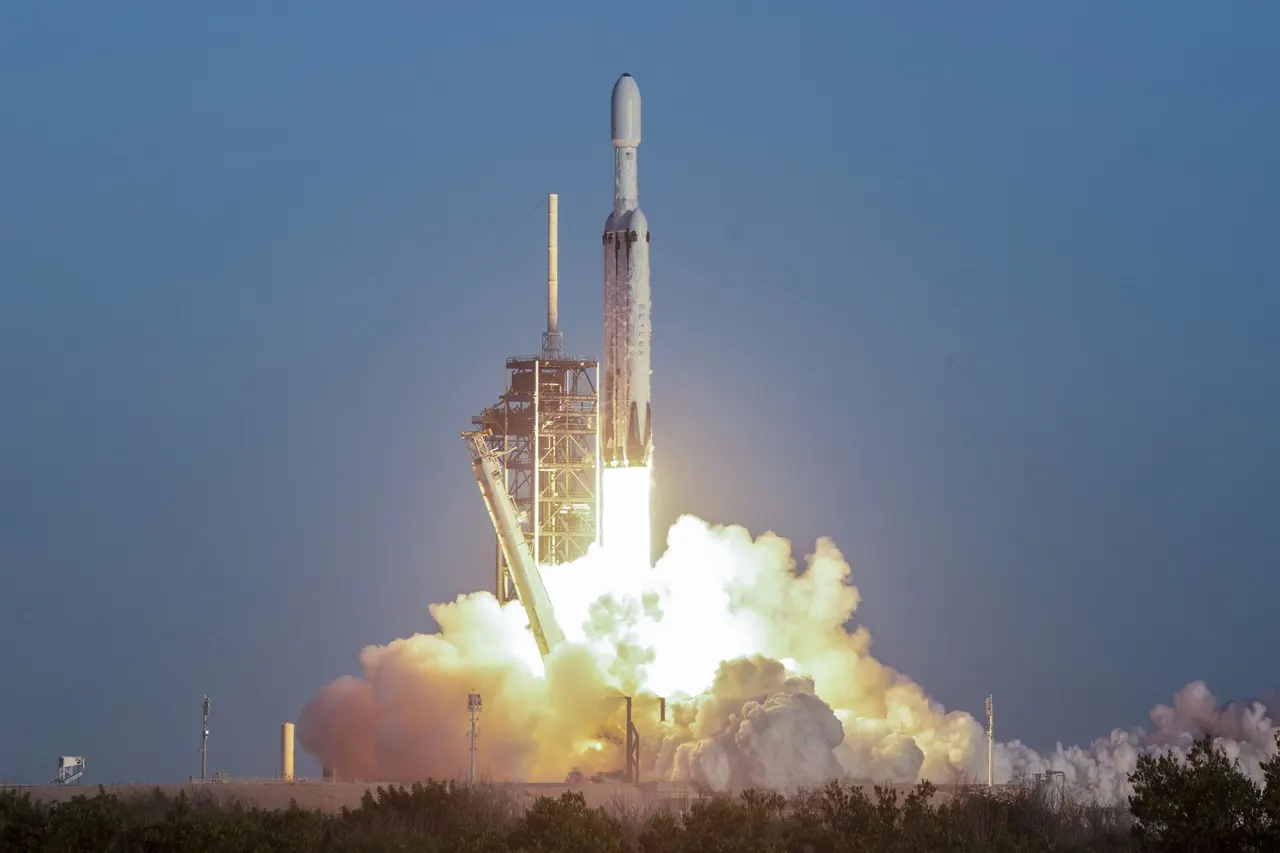
The capsule launched on 20 October from Cape Canaveral on a Falcon 9 during the Bandwagon-5 rideshare mission, which put dozens of payloads from different customers into orbit. Unlike most of them, Starfall was meant to come back. After re-entry it splashed down in the Pacific and was recovered with SpaceX's help.
The containers, developed by AFRL, held communication devices, batteries, a satellite-based locator, medical equipment, food rations and a reverse-osmosis water desalination unit. Sensors in each container logged temperature, shock and vibration through launch, spaceflight and re-entry. Engineers want to know how those conditions affect electronics and fragile equipment before attempting a delivery to real recipients. AFRL also checked that a UNI-PAC III life raft fits inside the vehicle.
Starfall is a flattened disc about 3.1 m across and 75 cm tall. According to Federal Aviation Administration documents, it can carry up to 1,000 kg of cargo; the capsule itself weighs around 2,100 kg, with a maximum total mass of 3,100 kg. It has a heat shield, a compressed-gas attitude control system and parachutes, but it needs a launch vehicle to reach space.
Part of the Rocket Cargo program
The experiment belongs to Rocket Cargo, launched by the US Air Force in 2021 to test whether large commercial rockets can move equipment between distant points on Earth in less than an hour. The long-term vision involves tens of tons per flight, and up to 100 tons in the most ambitious scenarios. Such capability could supply remote Pacific islands, bases without working airfields, or disaster zones where roads, ports and airports are destroyed.
The test does not yet prove that rockets can replace transport aircraft. The capsule landed in a planned ocean zone, not near a waiting unit, and open questions remain about cost, infrastructure, recovery in a combat area and delivery to places where landing is unsafe. AFRL is therefore working with Blue Origin, Rocket Lab, Sierra Space, Anduril, Inversion Space and Outpost Space as well as SpaceX.
The military has not announced a timetable for regular rocket deliveries. The next step is to repeat the process with heavier cargo, in less time and at a specific location.
Apps worth a look
 SUMO: the number puzzle
Tap the right tiles, add them up, hit the target. Easy to learn, hard to master. Free, for all ages.
 Dialo: learn languages by speaking
Talk to an AI conversation partner; every sentence comes back corrected and explained in your language. 9 languages, A1 to C2.
 ediviewer: read EDI files like documents
Open EDIFACT and X12 messages, see every segment explained, convert to JSON/XML, export PDF and Excel. Runs locally, no upload.
More from this day
See all →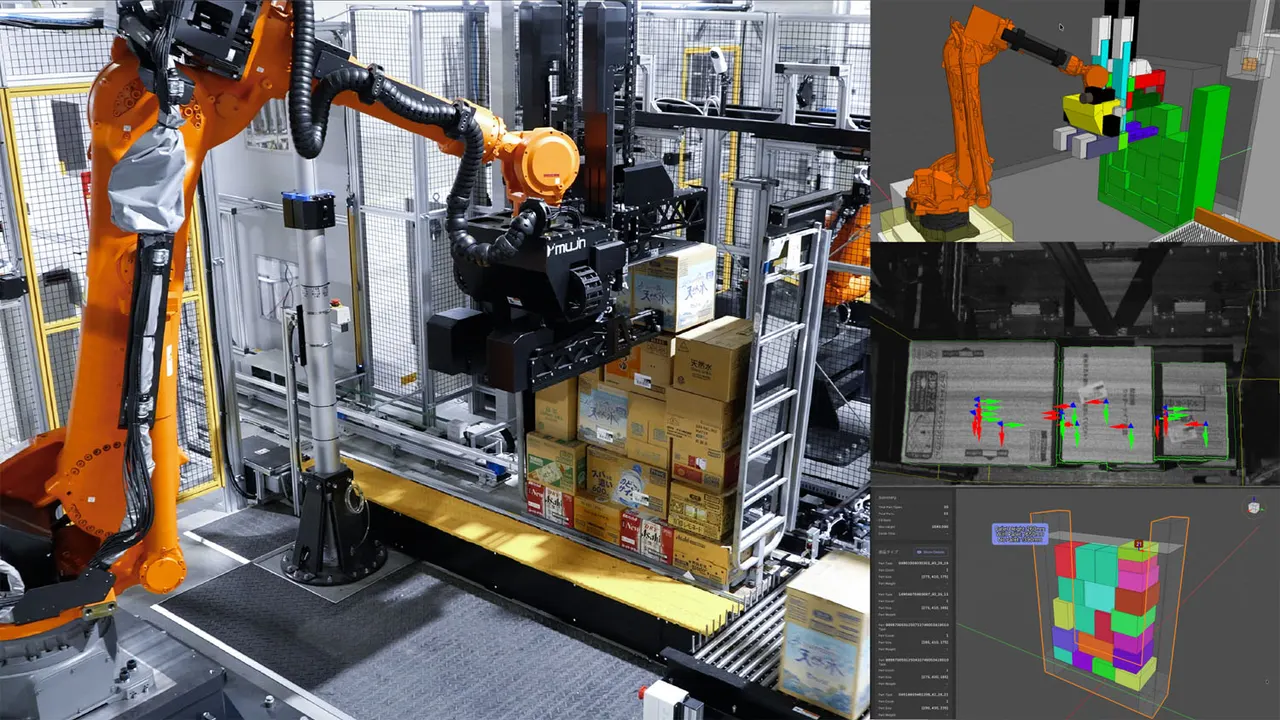
Aeon Opens Kawaguchi-Higashi XD, Its First Physical AI Warehouse

HealthSearch: Japan's AI Self-Care Tool for OTC Drugs
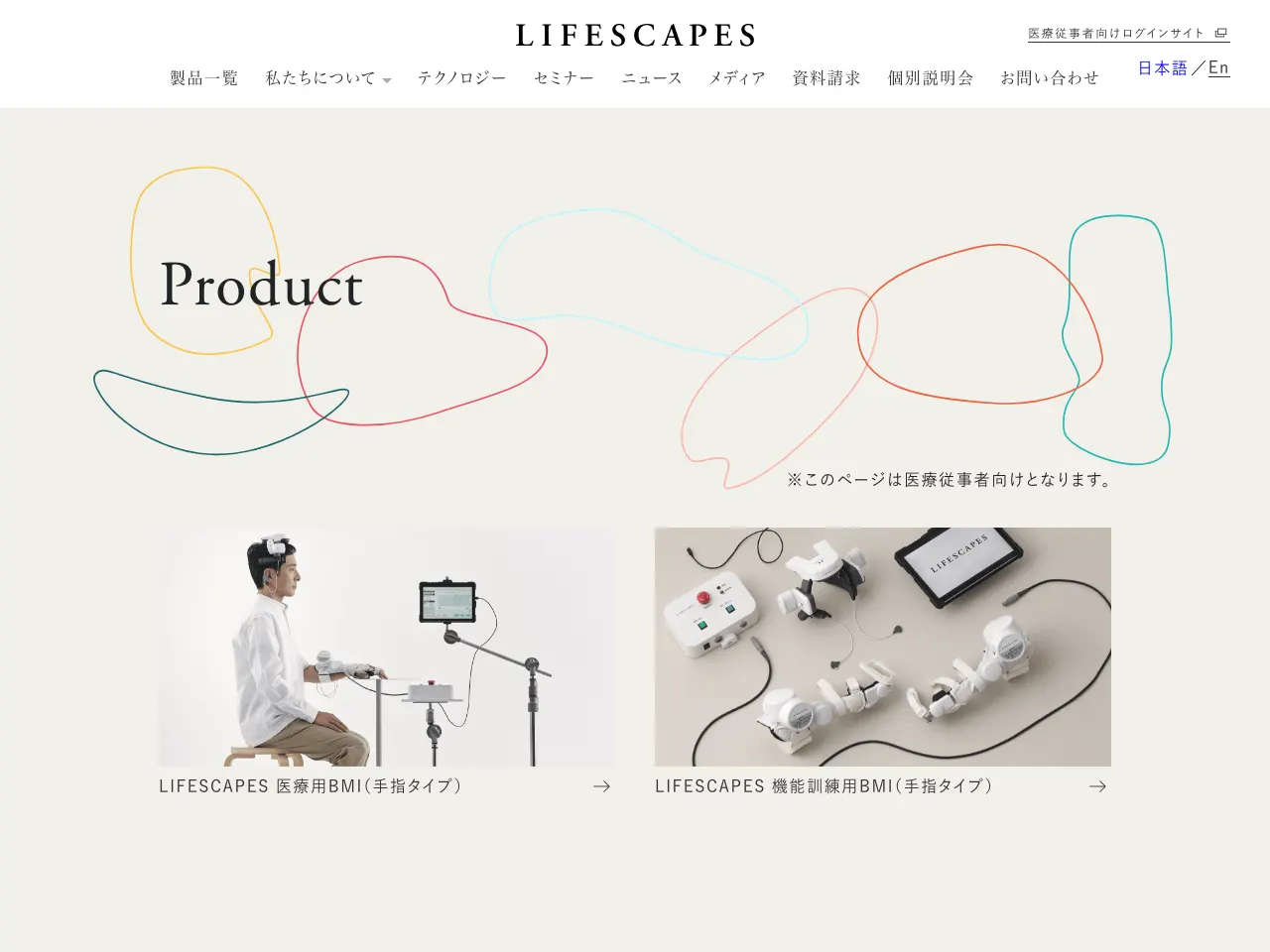
LIFESCAPES Gets Follow-On Funding for BMI Stroke Rehab Device
Kioxia shares fall as outlook raises doubts over AI demand
More in: Space
See all →
Google's AI satellite sends first data back from orbit
NASA Competition Model 2.0 Cuts Science Mission Selection Time
HPE Spaceborne Computer-4 to Bring Supercomputing to the Moon