LIFESCAPES Gets Follow-On Funding for BMI Stroke Rehab Device
Global Brain has made a follow-on investment in LIFESCAPES, a Japanese maker of brain-machine interface devices that help stroke patients recover hand function.
Japanese investor Global Brain has made a follow-on investment in LIFESCAPES, a company that develops, manufactures and sells stroke rehabilitation equipment based on brain-machine interface (BMI/BCI) technology. The money came through the Canon Marketing Japan MIRAI Fund, and Global Brain announced the deal on October 30. The investment amount and valuation were not disclosed.
It follows an earlier investment announced in June 2022 through the JGC MIRAI Innovation Fund.
How the device works
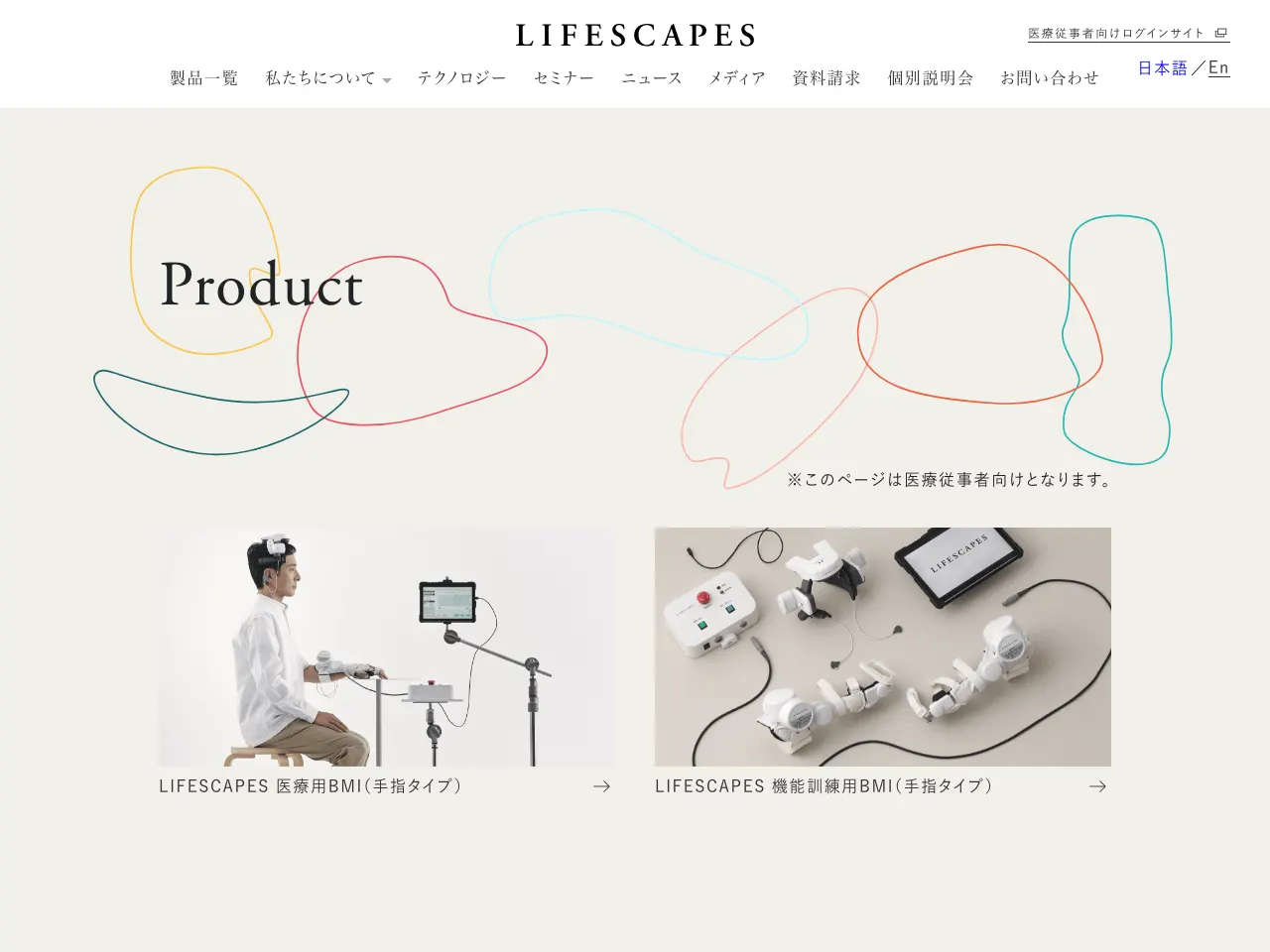
LIFESCAPES builds on more than ten years of BMI/BCI research at Junichi Ushiba's laboratory in the Faculty of Science and Technology at Keio University. A wearable scalp sensor detects the patient's own neural activity. When the brain response to an intention to open the paralyzed hand is detected, a motorized brace on the fingers moves to assist the motion. The wearer also feels the movement as electrical stimulation on the forearm.
The company sells two product lines. One is a medical BMI (finger type) for medical institutions, certified as a medical device in 2024. The other is a functional-training BMI (finger type) for care facilities and private-pay rehabilitation centers. For the medical version, stroke and spinal cord injury qualify for an additional reimbursement for devices that increase exercise volume.
Why it matters
Global Brain notes that stroke is a leading cause of long-term care needs in Japan, and that many patients with severe upper-limb paralysis do not regain enough function through conventional rehabilitation. LIFESCAPES says its device can be used in severe cases where voluntary electromyography responses are too weak for EMG-triggered robots or stimulators. If EMG findings improve with BMI training, patients can move on to EMG-triggered devices.
The investor says BMI/BCI-based upper-limb training is rated "Grade B, high evidence level" in Japan's 2021 stroke treatment guidelines (revised 2025). Several hospitals reported clinical results at the 61st Annual Meeting of the Japanese Association of Rehabilitation Medicine in 2024. LIFESCAPES also acknowledges that in pre-founding clinical research with a university prototype, about 30% of eligible participants did not show sufficient improvement. Patients with severe higher-order brain dysfunction may be unsuitable, since users must intend the movement themselves.
For onboarding, the company offers a roughly 90-minute in-hospital hands-on seminar, plus video-call technique checks and email support. In most cases, one seminar and two to three checks are enough for independent operation.
Apps worth a look
 SUMO: the number puzzle
Tap the right tiles, add them up, hit the target. Easy to learn, hard to master. Free, for all ages.
 Dialo: learn languages by speaking
Talk to an AI conversation partner; every sentence comes back corrected and explained in your language. 9 languages, A1 to C2.
 ediviewer: read EDI files like documents
Open EDIFACT and X12 messages, see every segment explained, convert to JSON/XML, export PDF and Excel. Runs locally, no upload.
More from this day
See all →
Android 'Message of Death' Flaw Can Crash Phones Remotely

Moscow Exchange to Launch Bitcoin, Ethereum and USDT Trading
InPost Adds Permanent Parcel Redirection to Its App From Nov 10

EU adds €2 customs fee on Temu, Shein and AliExpress parcels
More in: Startups
See all →
QR Memories: 19-Year-Old Puts Digital Memories on Gravestones

AI Lets Founders Build Solo, but Startup Duos Gain the Edge
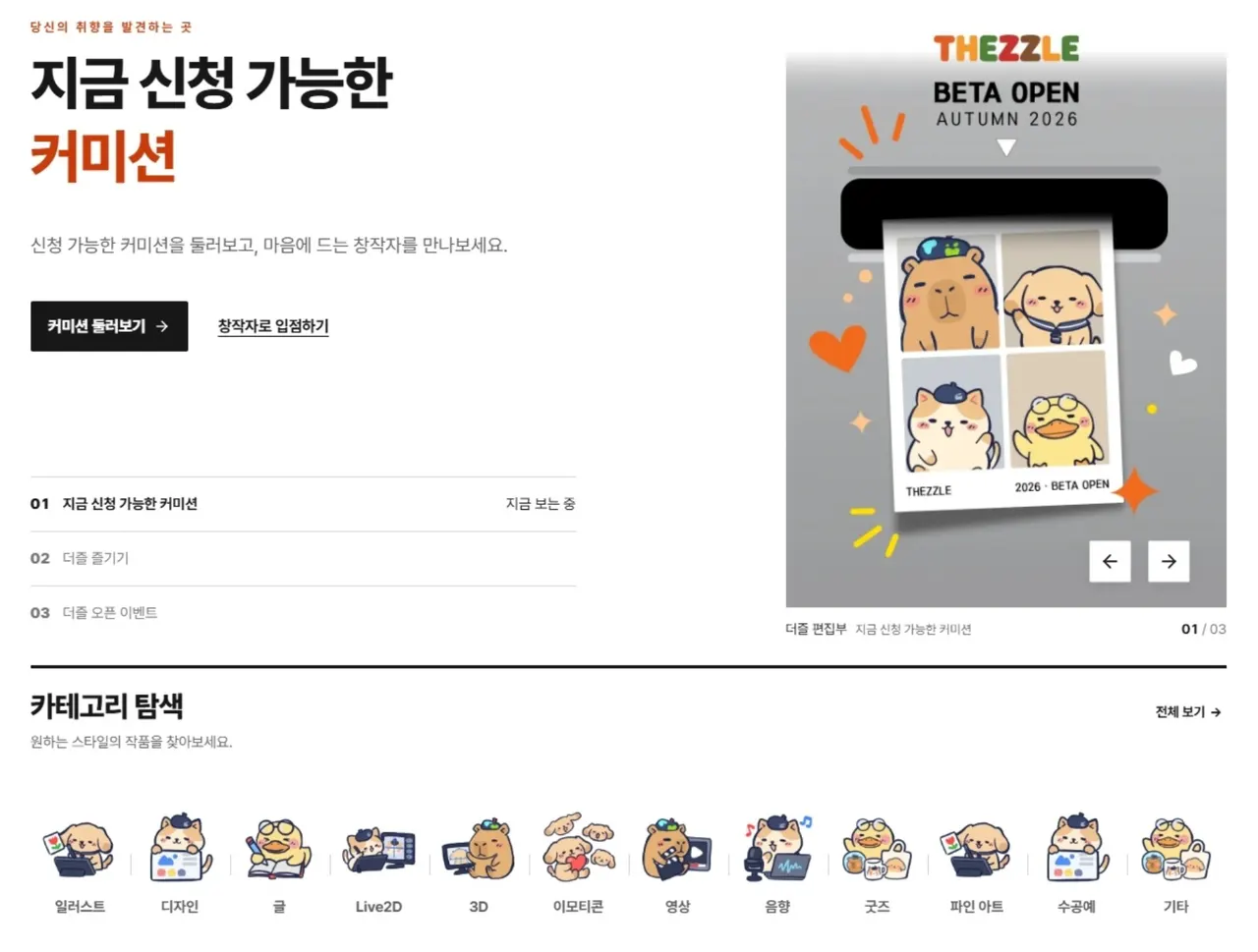
THEZZLE Opens Beta of Commission Platform That Bans AI Art