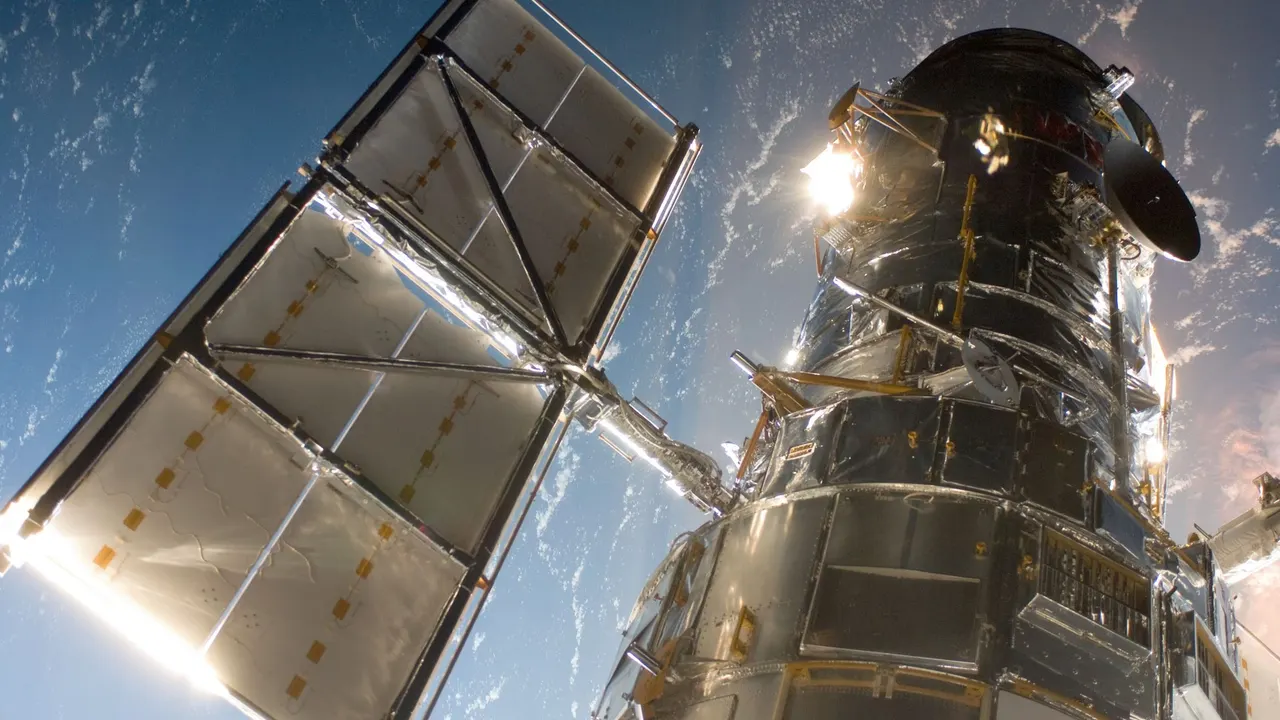
Google's AI satellite sends first data back from orbit
Google is testing AI accelerators in orbit, and the experiment has now delivered its first data. The project probes whether AI hardware can work in space.

Google's experiment with AI accelerators in Earth orbit has produced its first data. The project, in which the company tests machine-learning hardware in space, has now moved from preparation to actual measurements.
What is known so far
The core idea is to find out whether chips built for AI workloads can operate in the conditions of orbit. The first transmission is an early sign that the hardware is running and communicating with the ground.
Details on the results, such as performance figures, error rates or the length of the test phase, were not part of the information available at the time of writing. Those numbers will be decisive for judging how realistic AI computing in space really is.
Why it matters
AI infrastructure consumes large amounts of energy and land on Earth. Moving some computing capacity into orbit is one idea for easing that pressure, but it depends on whether processors can survive and perform reliably away from the ground. Real data from orbit replaces assumptions with measurements.
The first results are only a starting point. Further data from the experiment will show whether the approach is technically and economically viable.
Apps worth a look
 SUMO: the number puzzle
Tap the right tiles, add them up, hit the target. Easy to learn, hard to master. Free, for all ages.
 Dialo: learn languages by speaking
Talk to an AI conversation partner; every sentence comes back corrected and explained in your language. 9 languages, A1 to C2.
 ediviewer: read EDI files like documents
Open EDIFACT and X12 messages, see every segment explained, convert to JSON/XML, export PDF and Excel. Runs locally, no upload.
More from this day
See all →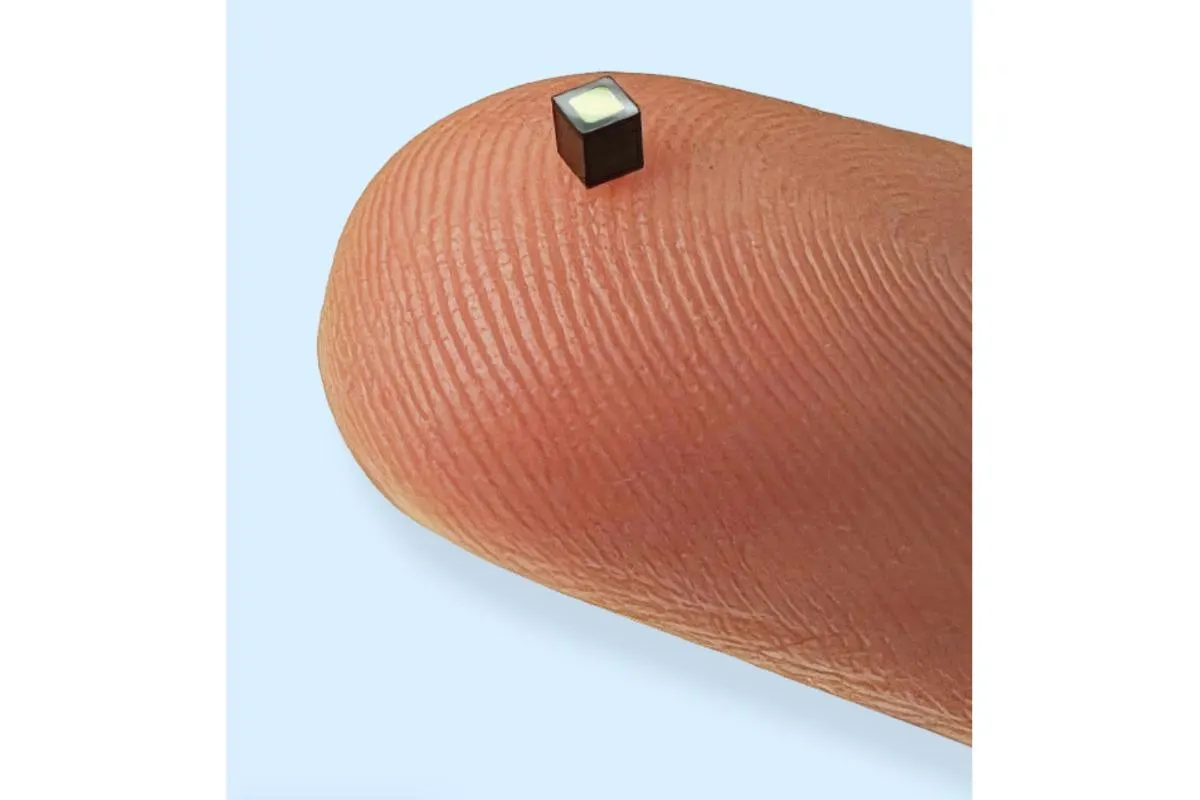
NIL Technology Launches metaEye, a Camera Smaller Than Rice
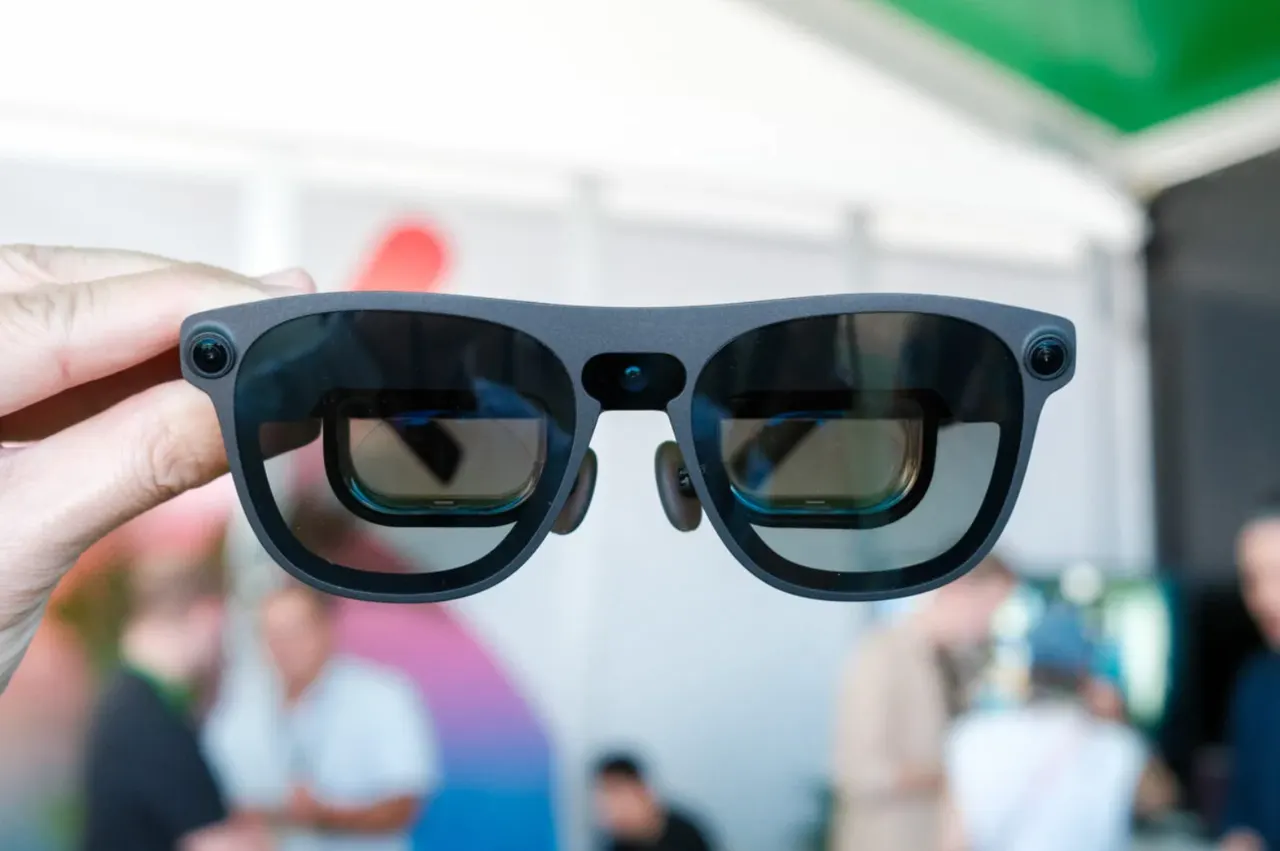
XREAL AURA Android XR Glasses Open for Orders in Japan
GMO Trust Login Leak Exposes 45,030 Users via Logo Storage

Anthropic's Claude Tested With Six Drug Developers on Antibodies
More in: Space
See all →
NASA Competition Model 2.0 Cuts Science Mission Selection Time
HPE Spaceborne Computer-4 to Bring Supercomputing to the Moon
Launch Shortage: Quilty Space Sees 150 Missing Rocket Flights