Anthropic's Claude Tested With Six Drug Developers on Antibodies
Anthropic details months of work with six biotech partners, from 35,000 antibody variants in a month to 89% faster document review, mostly at the preclinical stage.
Anthropic has published results from several months of work in which Claude supported six organizations developing drugs: BigHat Biosciences, Bristol Myers Squibb, Divergence Labs, Enveda, Generate Biomedicines and The Column Group. The company is also running its own programs for rare pediatric forms of muscular dystrophy.
The central argument is that bottlenecks in drug development are spread across the whole process, so a model delivers the most when it takes part in nearly every stage. Anthropic says it has already prioritized specific model improvements based on the projects.
The numbers behind the partner reports
At Divergence Labs, which is working on a food allergy treatment, Claude turned the goal into a detailed plan and then, almost autonomously, generated about 35,000 antibody variants in roughly a month. Early tests found three variants that bind IgE and twenty able to detach it; three of those twenty looked better than the standard drug.
Six scientists at Generate Biomedicines used Claude Code to propose variants of one section of a therapy's genetic instructions. One was about 70% shorter than the standard, and in lab tests immune cells produced roughly ten times more receptors, the proteins they use to recognize cancer cells.
BigHat Biosciences connected the model to its automated Reccy lab and made and tested about 1,010 variants in around ten weeks. The best bound the target more than ten times more tightly, one stayed in solution at a temperature 18 °C higher, and another aggregated over 100 times more slowly.
At Enveda, Claude reviewed 1,061 pages of manufacturing documents. It found all 11 issues human reviewers had flagged plus seven they missed, cutting review time by 89%, from more than 25 hours to under three. A first draft of one regulatory document took four hours instead of about three months.
Limits of the approach
The results come with caveats. At BigHat, standard metrics for heat stability and aggregation misled the team until Claude and a researcher recomputed the raw data and changed the testing protocol. A Claude-written draft of a regulatory document also contained an error that a routine human check caught.
Most of the work is preclinical, and the drugs have mostly not been tested in humans. The most advanced in-house project is Mithril Medicine, a one-person company acquired by Anthropic. Founder Cody Tranbarger handed Claude contracts, logistics and work with 11 external labs, and it reached encouraging mouse results in under 18 months. If candidates hold up, the drug could be ready for human trials by the end of 2028.
Anthropic is expanding the effort with Claude Science, credits for researchers and a verification program for trusted organizations. The report gives no pricing for pharma customers.
Apps worth a look
 SUMO: the number puzzle
Tap the right tiles, add them up, hit the target. Easy to learn, hard to master. Free, for all ages.
 Dialo: learn languages by speaking
Talk to an AI conversation partner; every sentence comes back corrected and explained in your language. 9 languages, A1 to C2.
 ediviewer: read EDI files like documents
Open EDIFACT and X12 messages, see every segment explained, convert to JSON/XML, export PDF and Excel. Runs locally, no upload.
More from this day
See all →
Prosus Wins India's CCI Approval for $100M Investment in Navi

FBI Links North Korea to $6 Billion Binance Hack, Urges DeFi Blocks
Equinix Appoints Ex-Kyndryl Executive to Lead Malaysia Business
BYD October sales rise 11% as overseas shipments surge
More in: AI
See all →
Anthropic, OpenAI and Google sell defenses to AI-made risks
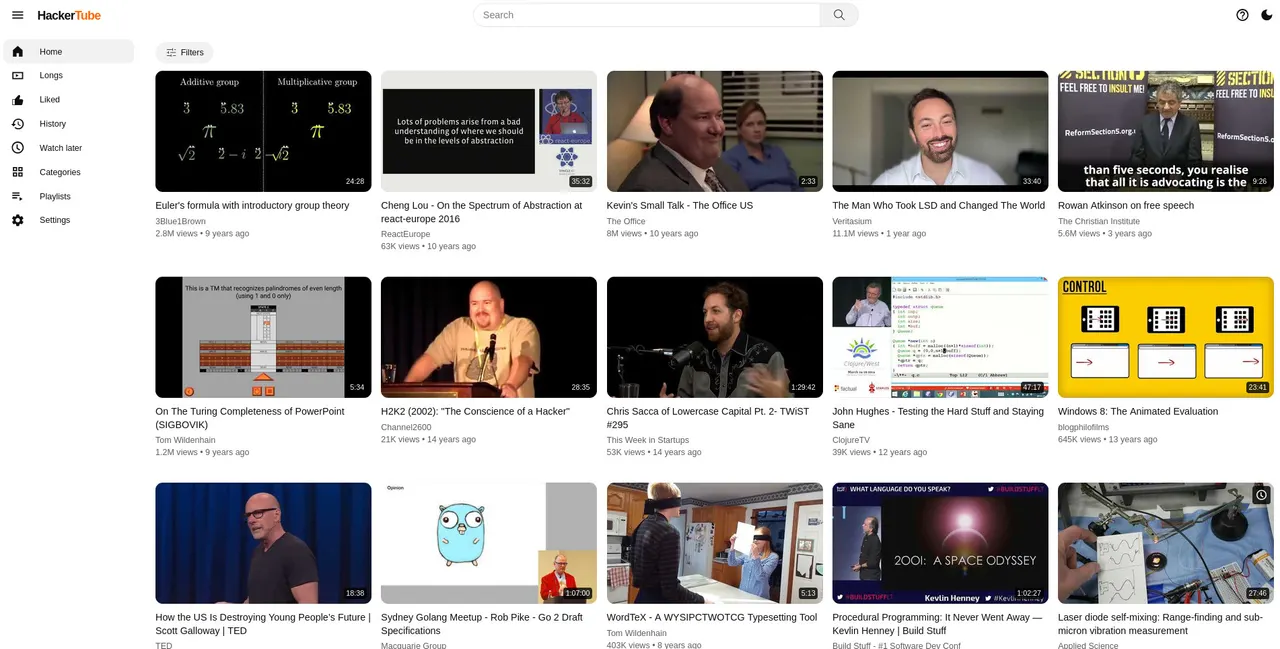
Karpathy launches HackerTube, a YouTube-style feed of Hacker News picks

Microsoft Ends Copilot Support on Smart TVs, Starting With LG