NASA asks industry how to save Hubble before it re-enters
NASA has issued a request for information asking companies to propose ways to boost, service or safely dispose of the Hubble Space Telescope, which is slowly losing altitude.
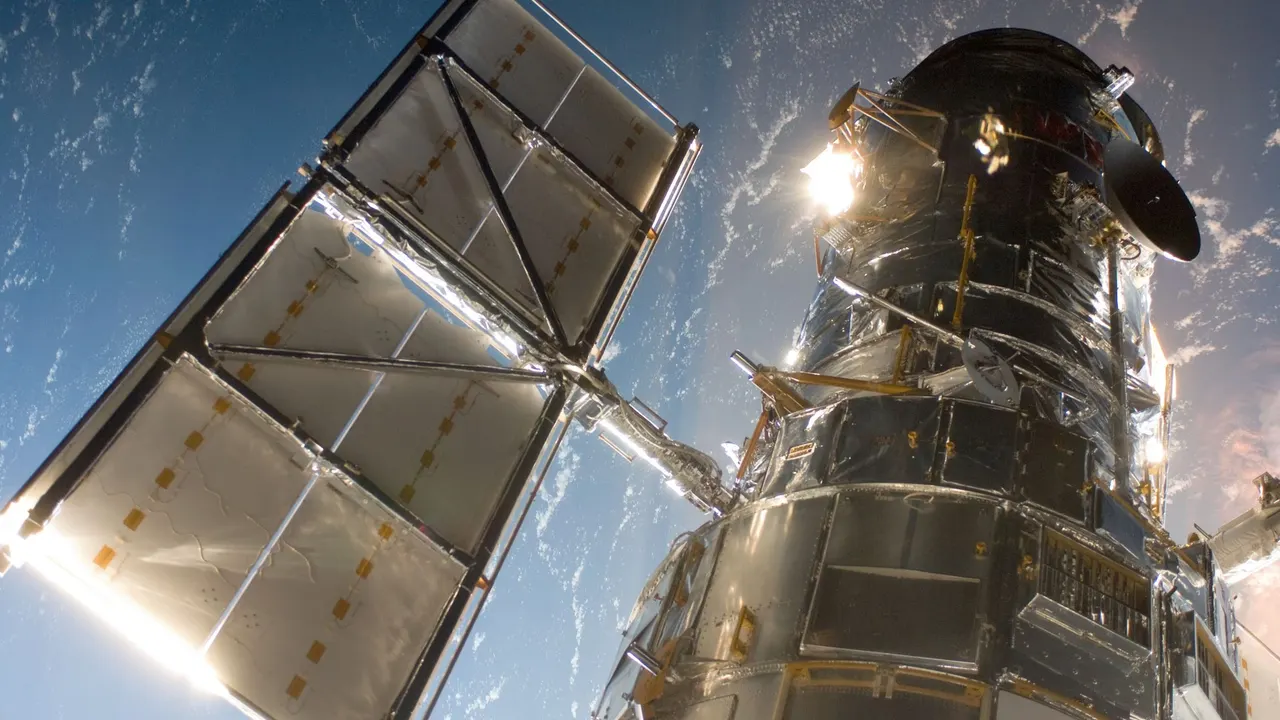
NASA has asked private companies to say how they could lift the Hubble Space Telescope to a higher orbit, service it, or bring it down safely. The agency announced the request for information on Friday. It went out on 29 October, and responses are due by 30 November.
Hubble has no engine of its own and is slowly sinking. NASA's analysis puts its likely re-entry in 2033 or 2034, so any mission would have to launch by 2032. The agency estimates a 10% chance of re-entry by September 2032, rising to 50% by December 2033. Because Hubble is heavy, an uncontrolled fall carries a small risk to people on the ground.
What NASA is asking for
The request covers three options: boosting Hubble higher, servicing it to improve it, or disposing of it safely. A boost must reach at least 600 km without harming the telescope. Hubble now orbits about 470 km up; the shuttle Columbia last raised it, to 583 km, in 2002. The company would provide the rocket, the servicing spacecraft and mission operations, plus a crew if one is needed.
NASA is not committing to buy a mission and has no money set aside for one. "If there are innovative and cost-effective ways to extend the life of an asset already on orbit, we owe it to the American taxpayer and the scientific community to explore them," said NASA Administrator Jared Isaacman.
A changed landscape
In 2022, Isaacman, then a private astronaut, offered to pay for most of a crewed Hubble mission on SpaceX's Dragon. NASA sought ideas that year and received eight responses, then decided in 2024 not to pursue a reboost. A crewed visit looks less likely now, as SpaceX plans to retire Crew Dragon by 2030. Isaacman expects interest from robotics companies, and startups are already raising money for in-orbit refuelling hardware.
The smaller Swift observatory shows the risks. Its science mission ended on 20 October, and NASA expects it to re-enter within weeks. A rescue by startup Katalyst Space failed when its robot ran into trouble and never reached the telescope.
Hubble has one advantage: astronauts fitted a soft-capture mechanism on the last shuttle visit in 2009, which should ease docking. Astronomers expect no replacement for its visible and ultraviolet capabilities before NASA's Habitable Worlds Observatory in the 2040s.
Apps worth a look
 SUMO: the number puzzle
Tap the right tiles, add them up, hit the target. Easy to learn, hard to master. Free, for all ages.
 Dialo: learn languages by speaking
Talk to an AI conversation partner; every sentence comes back corrected and explained in your language. 9 languages, A1 to C2.
 ediviewer: read EDI files like documents
Open EDIFACT and X12 messages, see every segment explained, convert to JSON/XML, export PDF and Excel. Runs locally, no upload.
More from this day
See all →
Xavier Niel Slams French Lawmakers Over 5.5-Cent Data Tax
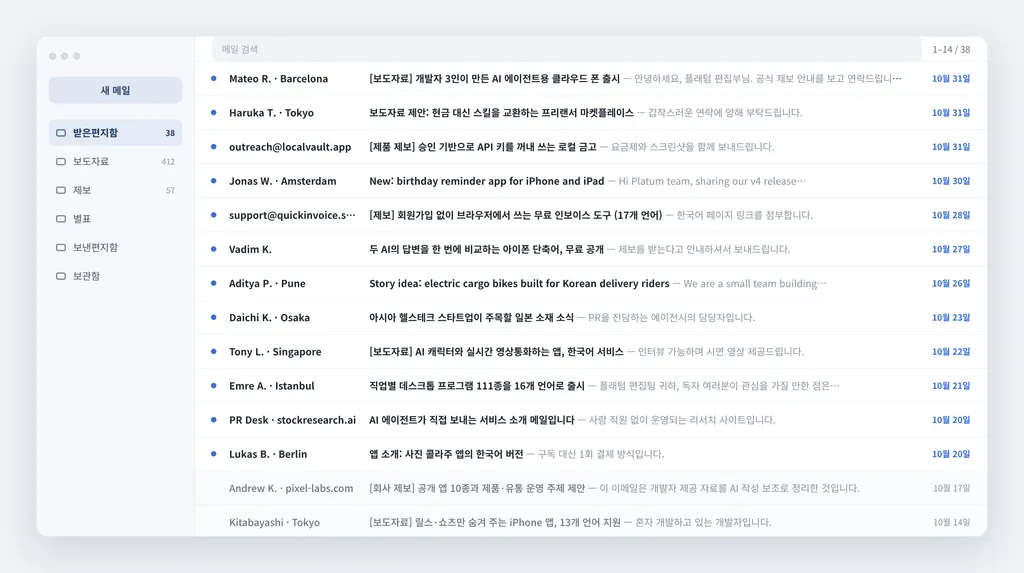
AI-written PR emails in Korean flood newsrooms as outreach goes automated

South Korea's Defense Robot Market Opens, but Standards Lag
Russia's MTS CEO to Visit South Korea After 7 Years to Seek 5G Partners
More in: Space
See all →
Reflect Orbital Draws Backlash After Night-Sky Light Test
Google's Suncatcher Satellite Runs AI in Orbit, Writes Haiku
SpaceX Launches 27 Starlink Satellites on Falcon 9 From California