Google's Suncatcher Satellite Runs AI in Orbit, Writes Haiku
Google's Suncatcher satellite ran the Gemma 4 model on an onboard TPU and sent a haiku back to Earth, an early test of machine learning computing in space.
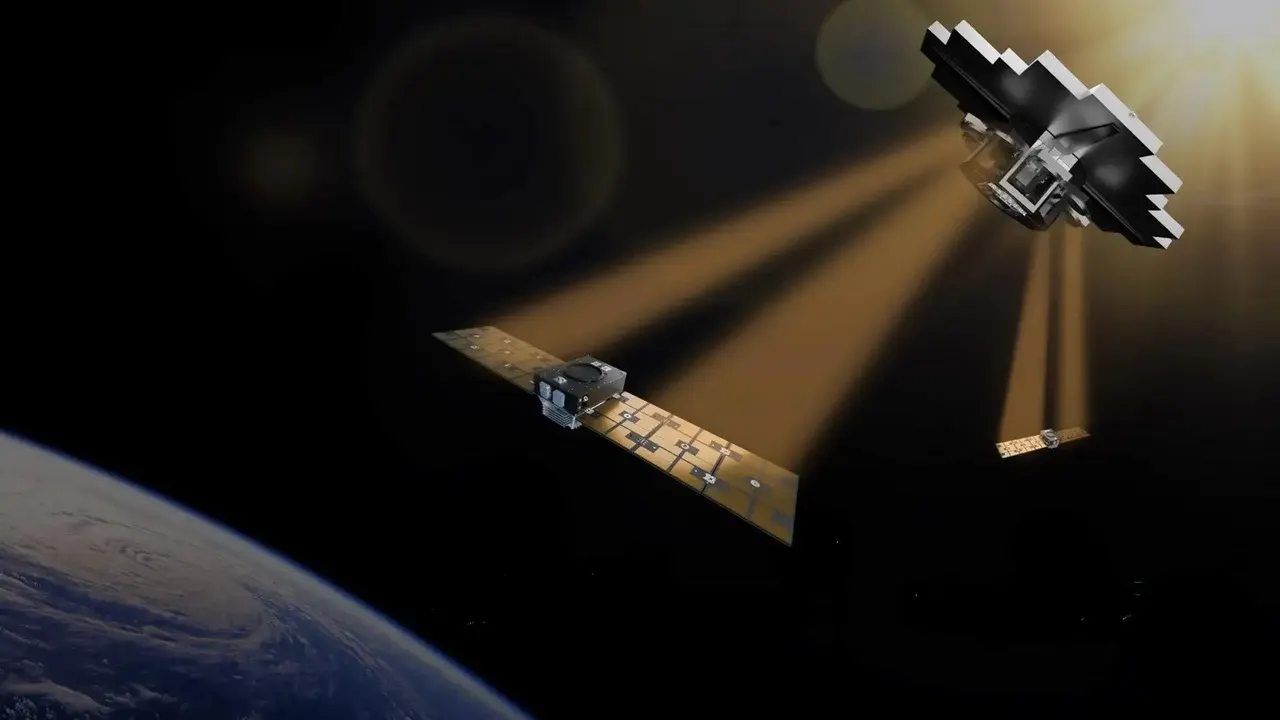
Google's Suncatcher satellite has run an AI model in orbit for the first time and returned the result to Earth: a haiku about what it looks like to observe a planet from space. The task was executed on a Tensor Processing Unit (TPU) aboard the spacecraft.
The poem came from Gemma 4, which received its prompt from the ground, processed it locally and transmitted the answer back. The verse describes a blue sphere below, data flowing with quiet grace and starlight powering the satellite's core. Engineers also tested space-themed limericks and the retrieval of telemetry data describing the satellite's operation.
Weeks of checks before the first AI job
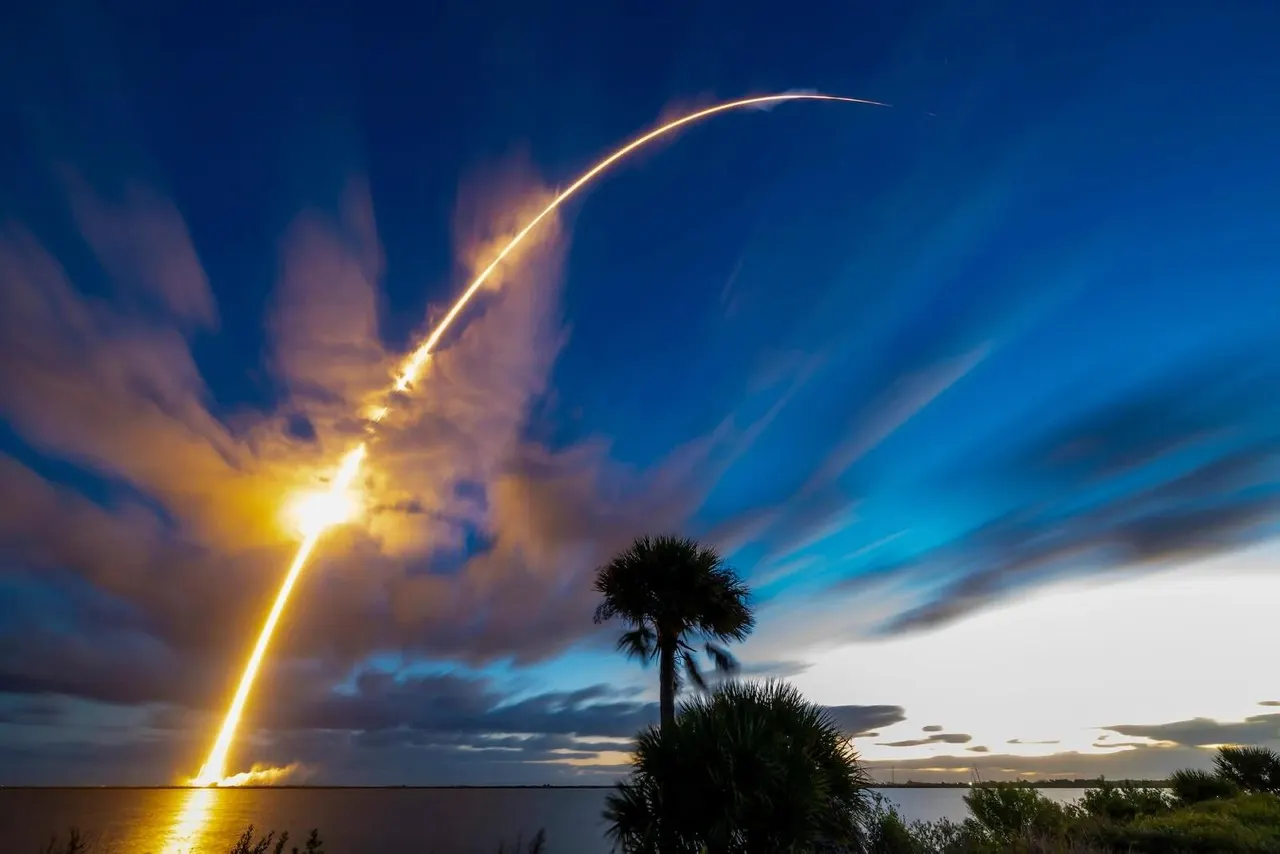
The satellite reached orbit on 1 October aboard a SpaceX Falcon 9, which carried more than a hundred other objects on the same flight. Before any machine learning workload ran, the team spent about three weeks on intensive checks and system tests.
The experiment was modest by design. Only one of the four computing devices on board was active, because the spacecraft's power budget allows just one processor to run at a time. The Google hardware can draw up to 1 kilowatt, and a single AI session lasts about 20 minutes before the system needs to recharge.
Radiation and temperature remain open questions
Low Earth orbit brings large temperature swings and cosmic radiation. Earlier ground tests showed that radiation can cause memory errors in the devices, so long-term reliability is one of the main things the project still has to prove.
The test nonetheless showed that an onboard system can accept a command from Earth, process it locally and return a generated answer, even with limited power and no constant network access.
Google plans to continue the programme. In 2027 two more satellites with improved technology are due to launch. They are meant to generate more power and to link to each other optically, which would let them coordinate work across processors. Over the longer term the company wants to build a full-scale computing network in orbit, competing with efforts from Starcloud and Cowboy Space.
More from this day
See all →
Vectar Energy Shifts From Solar Generators to Carbon Markets

Malaysia's 10 Cents Capital Raises $20m, Brazil Arm Is VIVAMOMENTO

DeepSeek builds 'super-agent' for autonomous coding tasks

OpenAI cuts fundraising target to $20 billion as valuation falls
More in: Space
See all →
SpaceX Launches 27 Starlink Satellites on Falcon 9 From California
Voyager 1 Gets Years More Science After Risky Big Bang Fix

NASA Asks Industry to Rescue Hubble Before Its Orbit Decays