NASA Asks Industry to Rescue Hubble Before Its Orbit Decays
NASA has issued a Request for Information asking commercial firms whether they can boost Hubble's orbit, service it or deorbit it by 2032, before it falls around 2033-2034.
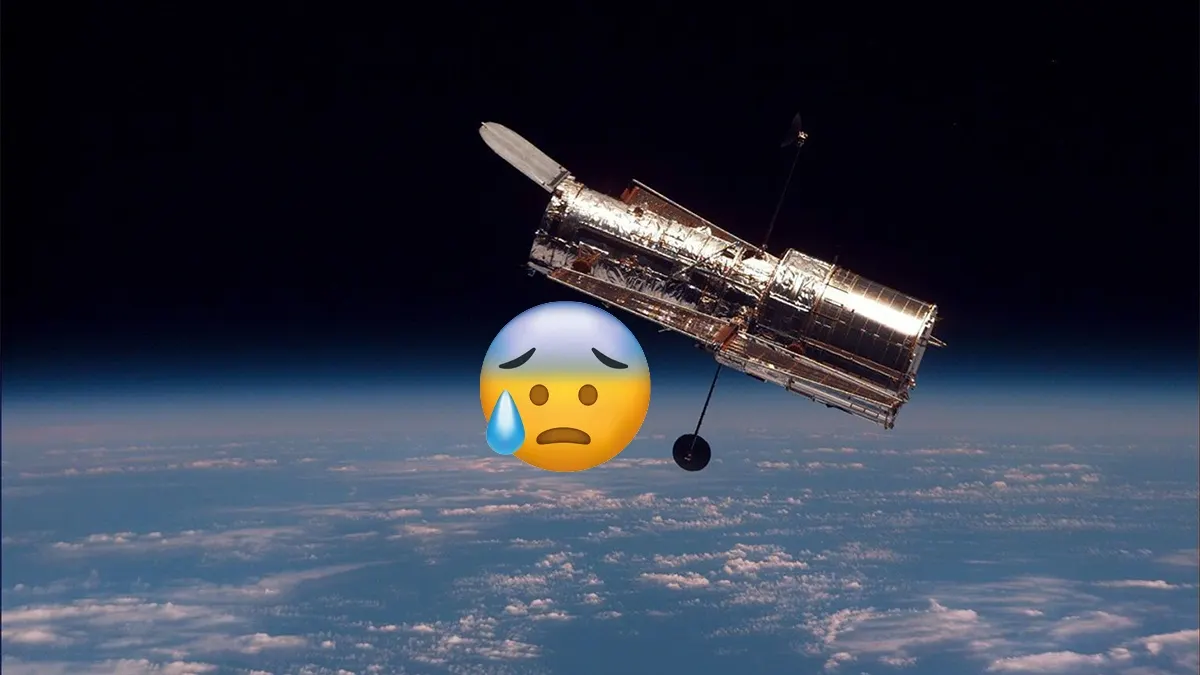
NASA has launched a Request for Information (RFI) to learn whether commercial spacecraft-servicing companies can save the Hubble Space Telescope. The agency is weighing three options: raising Hubble's orbit, flying a full servicing mission, or safely bringing the telescope down. Firms have until 30 November to respond, and NASA says any mission should fly by 2032 at the latest.
Why Hubble is falling
The problem is not that the 36-year-old observatory is failing outright. Hubble has no propulsion system of its own, so it cannot keep its altitude against the thin atmosphere that still exists at low Earth orbit. Its orbit was raised in 2002 during a Columbia shuttle mission, when it sat at about 583 km. Today it is at roughly 470 km. The final shuttle servicing mission in 2009 did not boost it.
Because drag depends partly on solar activity, no exact re-entry date can be given. An analysis cited by NASA suggests the telescope will probably re-enter in 2033-2034.
Boost, repair or both
NASA wants to know whether private companies could capture Hubble and lift it to at least 600 km, which could keep it in orbit for another 25 years or more. Hubble was designed to be serviced, and the 2009 mission installed a mechanism meant for a future capture by a spacecraft or propulsion module. NASA requires that the mission not damage the telescope, and it is asking about technology maturity, risks and mitigation.
The agency also allows a more ambitious servicing flight that would improve capabilities or resilience. Hubble's aging pointing system is a concern, and earlier studies considered attaching a module with new gyroscopes.
Astronomers still want the telescope. Hubble works mainly in visible and ultraviolet light, while the James Webb Space Telescope is optimized for infrared, so Webb is not a direct replacement. Demand for Hubble observing time exceeds availability by about seven to one, and NASA's planned flagship successor, the Habitable Worlds Observatory, is not expected until the 2040s.
A repeat with new circumstances
NASA asked similar questions in 2022, when Jared Isaacman, then a private astronaut, proposed a SpaceX Dragon mission to raise the orbit by at least 50 km. The agency received eight responses, including a joint Astroscale and Momentus concept, but said in 2024 it would not pursue a reboost. Since then the telescope has moved four years closer to re-entry, and Isaacman now leads NASA as its administrator.
More from this day
See all →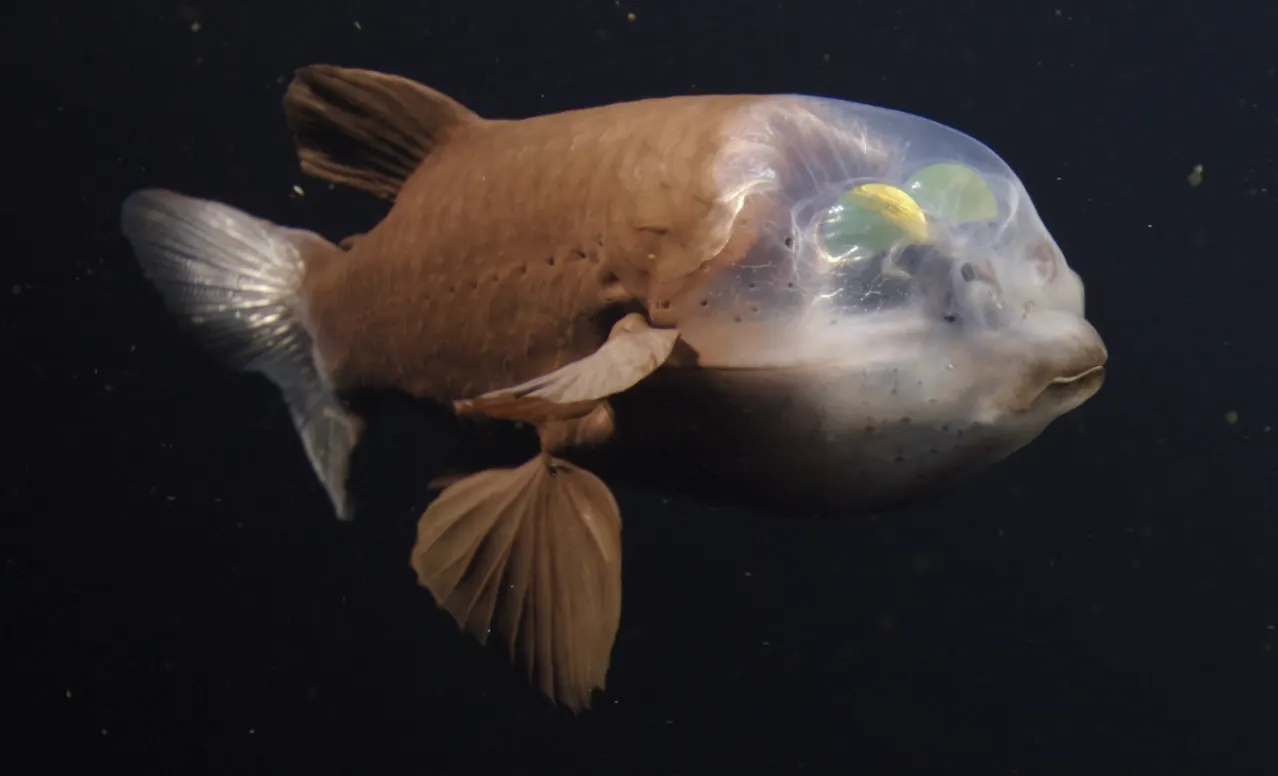
MBARI Films Barreleye Fish With Transparent Head in 4K for First Time
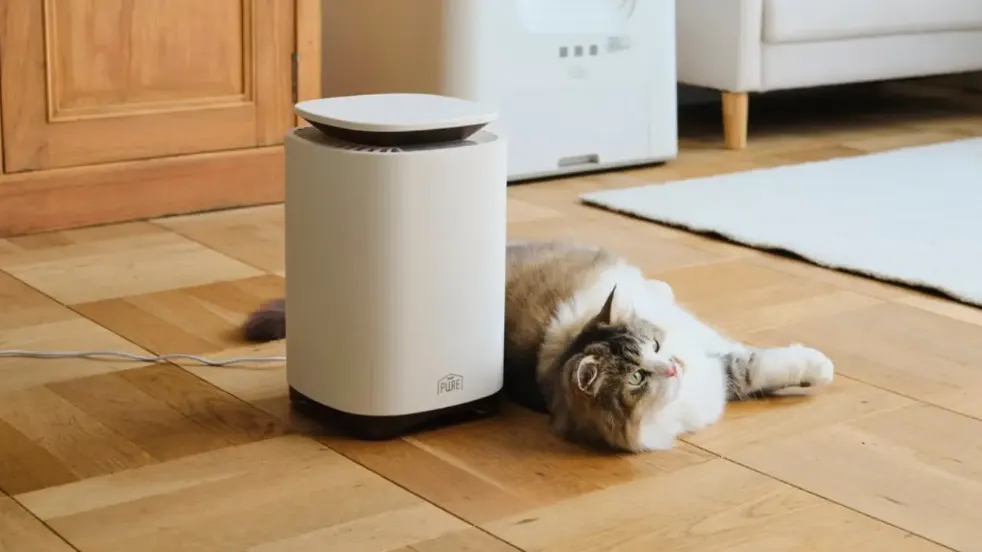
GEX Pure Pet Fur Sweeper Collects Cat Hair Around the Clock

Arrowspace S1 Smart Screwdriver Uses AI to Pick the Right Bit