South Korea's Defense Robot Market Opens, but Standards Lag
Robotics is moving beyond factories into South Korea's military. Spectrum, field trials and standardization are the hurdles, and small firms may enter through components.

South Korea's robotics industry is expanding from manufacturing and logistics into defense, opening a new market for domestic companies. As the military begins adopting robots in earnest, industry sources say technical standardization, field demonstration and supply-chain access for small firms are the main challenges.
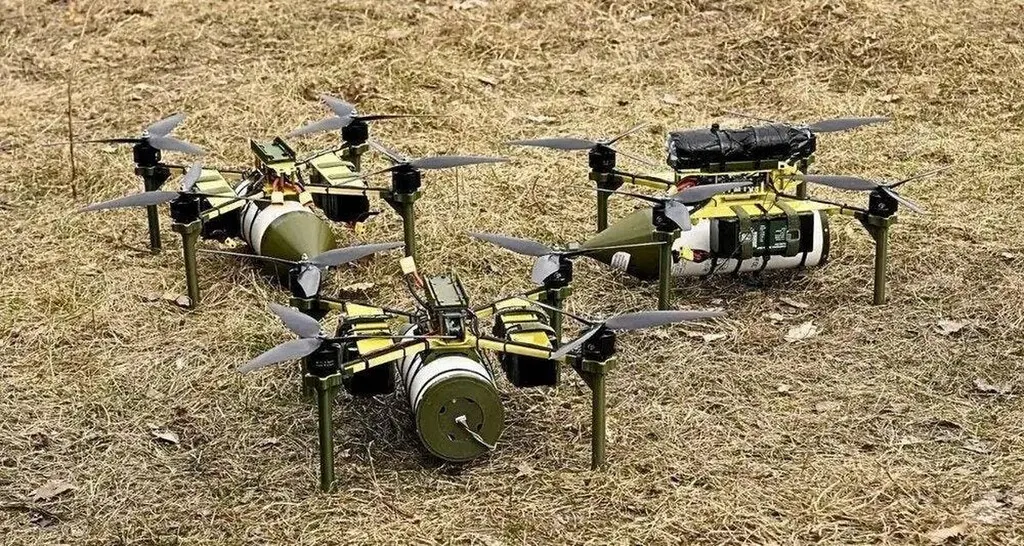
In defense, research and development is active on unmanned ground vehicles (UGVs) and unmanned surface vessels that use AI-based autonomous control and integrated command-and-control technology. Major defense contractors, including LIG Nex1 and Hanwha Aerospace, are working on autonomous driving for unmanned systems, joint operation of many robots, and the ability to keep a mission going despite enemy attacks or communication failures.
The Army moves first
The military itself is picking up speed. The Army plans to create a Future Strategy Staff Department in December, with a "Robot and Physical AI" division under it. It is also expanding manned-unmanned teaming demonstration units and building a robot learning environment based on digital twins of military training grounds. Robots are also planned for reconnaissance and patrol in the DMZ, perimeter security and supply transport.
Spectrum, standards and suppliers
The key issues include securing communication frequencies to run many robots at once, and standardizing a common architecture and interfaces so products from different companies can work together. The sector also needs test infrastructure to repeatedly verify performance in military operating conditions, and an acquisition system that can keep up with fast-moving AI.
For small robotics firms, supplying core parts and modules is seen as a more realistic way in than building complete systems. That means adapting existing motors, reducers, sensors and controllers to military environments and standardizing them so they connect with other equipment. Taking part in defense R&D and military demonstration projects, and deepening supply ties with defense primes, also matter. Wonkwang University professor Jang Hee-sung said companies should consider how far their current technology can be modularized, rather than fixating on finished products, and stressed open interfaces.
Robot development for extreme environments continues beyond defense, including domestic drive components for space exploration and greater autonomy for firefighting and disaster-response robots. Reliability and demonstration are common challenges. The Korea AI and Robotics Industry Association has held events such as an extreme-environment robot technology seminar since last month. Vice Chairman Bae Seok-tae said its defense robot council aims to connect robot makers, defense firms and the military.
Apps worth a look
 SUMO: the number puzzle
Tap the right tiles, add them up, hit the target. Easy to learn, hard to master. Free, for all ages.
 Dialo: learn languages by speaking
Talk to an AI conversation partner; every sentence comes back corrected and explained in your language. 9 languages, A1 to C2.
 ediviewer: read EDI files like documents
Open EDIFACT and X12 messages, see every segment explained, convert to JSON/XML, export PDF and Excel. Runs locally, no upload.