Launch Shortage: Quilty Space Sees 150 Missing Rocket Flights
Quilty Space expects the global launch market, excluding China, to fall about 150 flights short of demand by 2030, with the gap possibly doubling under tougher scenarios.
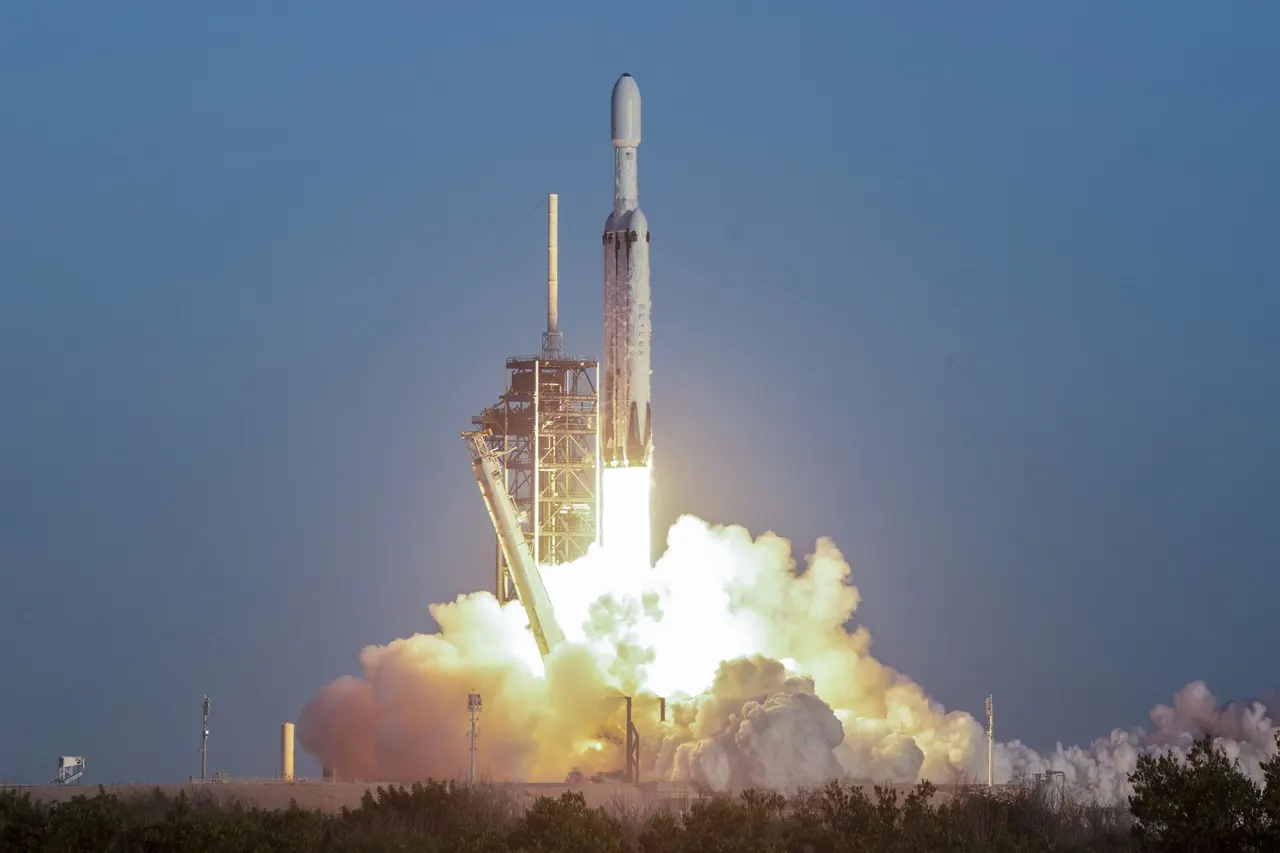
The global launch market is heading for a serious capacity crunch, according to analysis by Quilty Space. Excluding China, the rocket industry will not be able to provide enough flights over the next five years. In the baseline scenario, around 150 launches needed by satellite operators and space agencies will be missing by 2030.
The gap could be roughly twice as large if the US military adds demand and SpaceX does not extend the operating life of Falcon 9 and Falcon Heavy. Caleb Henry, research director at Quilty Space, said the situation is more serious than previously assumed and shows no sign of easing quickly. He described a broad crisis that may not end before 2030 and could last longer.
Several pressures at once
Several factors are converging. Russian rockets disappeared from the Western market after the invasion of Ukraine. Demand is rising from large players such as Amazon and from numerous nanosatellite start-ups. New vehicles, including Neutron, Terran R and Nova, have seen their schedules slip, and the prospect of Falcon 9 ending commercial flights adds uncertainty. The forecast puts peak tension in 2028, after which the market should gradually stabilize.
Starship is not expected to fill the gap soon. SpaceX is developing it for heavy lift and fast reuse, but the company has not set out a clear plan to make it widely available to commercial customers, and the report notes it has stopped assuring the market that it will be. Telesat CEO Dan Goldberg said Starship access may come once future satellites are adapted to SpaceX's current launch approach. In his view, the rocket will serve SpaceX's own missions and government tasks first, with the US government as a key customer, and other partners later.
What could help
Relief could come if Blue Origin ramps up New Glenn. Quilty Space's conservative case assumes eight launches in 2028, twelve in 2029 and sixteen in 2030. Henry noted that Blue Origin is investing in production capacity, but reaching full output for large rockets may take several more years.
The US military plans to nearly triple the number of missions it orders in coming years, adding pressure. The analysis also assumes Washington could compel SpaceX to prioritize the most important flights, partly because the company is already building satellites for the military. The forecast does not include the current boom in satellite launches, so real demand may be even higher than the figures suggest.
Apps worth a look
 SUMO: the number puzzle
Tap the right tiles, add them up, hit the target. Easy to learn, hard to master. Free, for all ages.
 Dialo: learn languages by speaking
Talk to an AI conversation partner; every sentence comes back corrected and explained in your language. 9 languages, A1 to C2.
 ediviewer: read EDI files like documents
Open EDIFACT and X12 messages, see every segment explained, convert to JSON/XML, export PDF and Excel. Runs locally, no upload.
More from this day
See all →
African creators lack infrastructure to turn audiences into income

Binance seeks to resume regulated operations in Malaysia

India's MeitY Releases Guide to Train AI Without Sharing Data