NASA Competition Model 2.0 Cuts Science Mission Selection Time
NASA's new Competition Model 2.0 aims to cut selection time for Discovery and New Frontiers missions from 35 to about 19.5 months and lighten proposal paperwork.
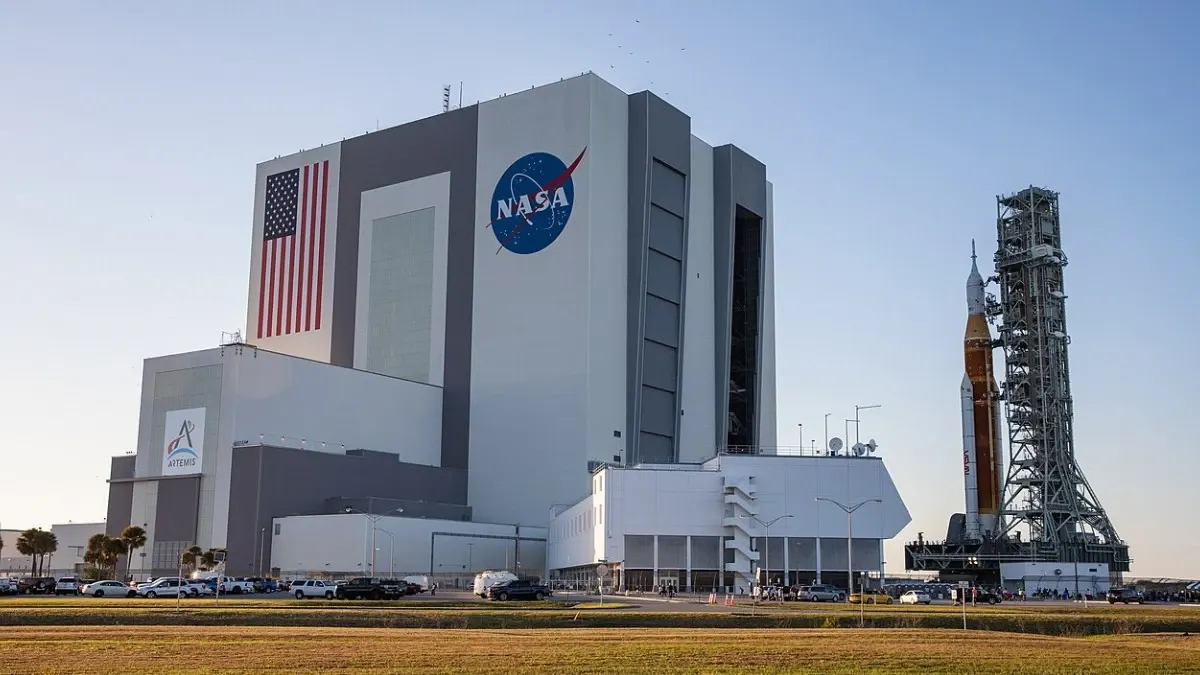
NASA is overhauling how it picks new science missions. The new framework, called Competition Model 2.0, is meant to shorten the selection process for several programs from 35 months to roughly 19.5 months, a cut of about 45%. Smaller missions will be chosen under even simpler rules.
Why NASA is changing the process
Under the old system, researchers had to submit detailed technical plans, schedules, costs and organizational structures early in the competition. Preparing that documentation took specialists from many fields months of work, and most proposals never received funding.
In a letter to the science community dated 21 October, Nicola Fox, head of NASA's Science Mission Directorate, acknowledged that the system was too complicated and unpredictable. New NASA Administrator Jared Isaacman ordered a faster way of deciding which missions go ahead.
What changes for Discovery, New Frontiers and Astro-Probes
The biggest changes apply to the Astro-Probes, New Frontiers and Discovery programs. The two-stage competition stays, but the first round will require mainly the scientific case, a research plan and a preliminary technical concept. NASA estimates this will roughly halve the volume of material needed at the start.
Selected teams will then face a deeper feasibility review, in which Goddard Space Flight Center and the Jet Propulsion Laboratory play a larger role. Some Discovery and New Frontiers projects may also involve the Johns Hopkins Applied Physics Laboratory under Goddard's oversight. The final choice of one mission will come early in project development, so losing teams will not have to keep funding costly work. NASA says this should help smaller groups without big institutional backing. A similar approach will apply to MIDEX and Earth Explorer, with a wider role for universities and private technical partners.
Simpler rules for small missions, tighter cost control
SMEX, Earth Venture, Missions of Opportunity and hosted payloads will move to a single-stage competition with smaller review panels and remote site visits. NASA says selection time could fall from about 32 to 19 months, around 40%. Future competitions are also expected to favor commercial satellite platforms, components and mission services.
The reform comes with stricter oversight: projects that exceed set cost or schedule limits could face consequences, including having funding terminated entirely. Faster selection does not by itself guarantee faster building and launching of spacecraft.
Apps worth a look
 SUMO: the number puzzle
Tap the right tiles, add them up, hit the target. Easy to learn, hard to master. Free, for all ages.
 Dialo: learn languages by speaking
Talk to an AI conversation partner; every sentence comes back corrected and explained in your language. 9 languages, A1 to C2.
 ediviewer: read EDI files like documents
Open EDIFACT and X12 messages, see every segment explained, convert to JSON/XML, export PDF and Excel. Runs locally, no upload.
More from this day
See all →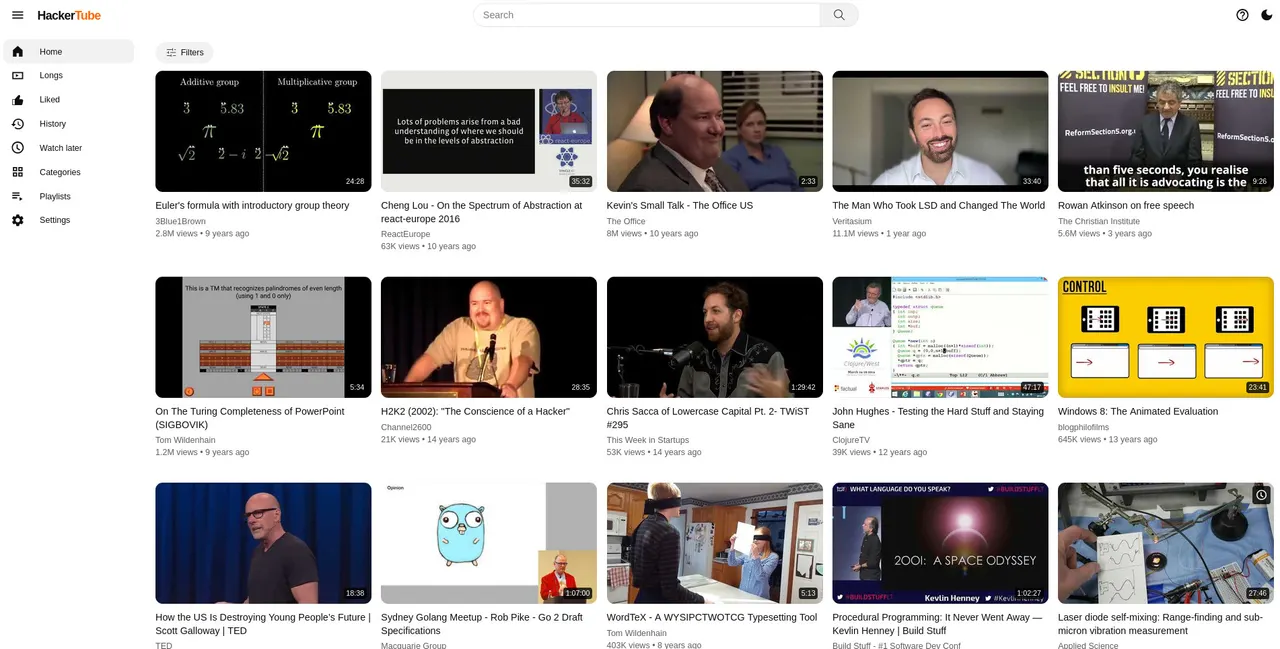
Karpathy launches HackerTube, a YouTube-style feed of Hacker News picks

China's Tech Giants Offer 1 Million Yuan for AI Deployment Engineers

Community Banks Sue OCC Over Crypto Trust Bank Charters