Tumbleweed raises €6.9M, Austria's largest spacetech seed round
Austrian startup Tumbleweed has raised €6.9 million, led by PactVC, to make microgravity research accessible to labs and companies with no space experience.
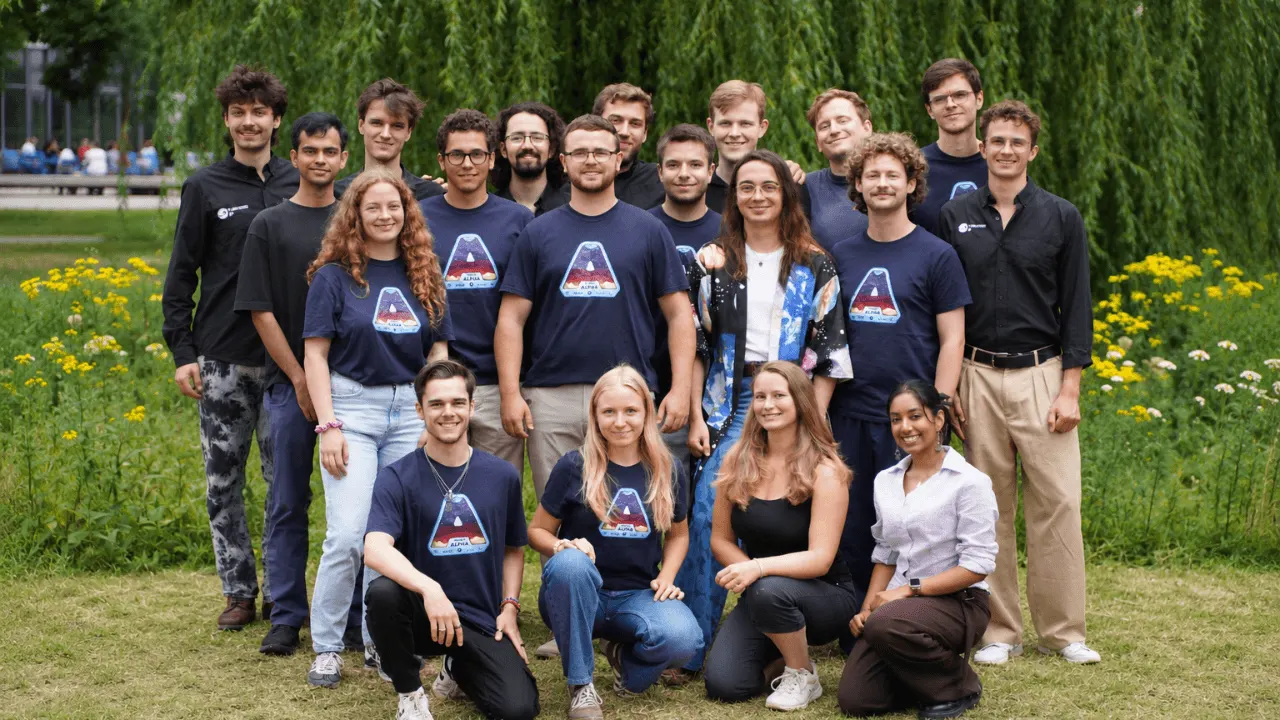
Austrian startup Tumbleweed has raised €6.9 million in the country's largest-ever spacetech seed round, just four months after launching Austria's first commercial satellite. PactVC led the round, with Vanagon Ventures, early backer Prototype Capital, EWOR and international investors and angels also taking part.
Founded in 2024 and operating from Vienna and Delft, Tumbleweed develops modular laboratory Pods hosted on its free-flying Oasis orbital platform. The aim is to give researchers, manufacturers and R&D teams access to microgravity without building their own space infrastructure.
Lessons from Oasis Alpha
The first mission, Oasis Alpha, launched on SpaceX Transporter-17 on 7 July 2026 with experiments for four customers, all first-time users of space. It was fully booked a year ahead and paid for upfront. According to the company, it was built in nine months, five times faster than the industry standard.
Tumbleweed says the mission showed that organisations with no space background can run experiments in three to four months for around €30,000. Customers receive a pre-certified, fault-isolated Pod, install their equipment, test it in their own facilities and hand it over for launch. In orbit, a built-in computer lets them monitor and control experiments remotely, much like using a cloud provider.
CEO and co-founder Julian Rothenbuchner argues that the vehicle is not the main obstacle. Payload preparation, launch approval, safety demonstration and orbital operations demand specialist expertise that can add years to a project. Tumbleweed's €15,000 offering bundles a Pod, development support, launch and operational support, with lead times of roughly two to three months that the company wants to shorten.
Demand and next steps
The company reports a customer conversion rate of about 40 per cent, with around two-thirds of customers coming through inbound enquiries. Its early users were universities and hospitals; it now targets national research institutes and contract research organisations, and eventually broader industry.
Three missions are planned for 2027 and already attract payloads from medical research, biotechnology and agritech labs. Tumbleweed expects to carry more than ten customers across them. The first mission covered materials science, including recrystallisation, and protein synthesis experiments using bacteria.
Apps worth a look
 SUMO: the number puzzle
Tap the right tiles, add them up, hit the target. Easy to learn, hard to master. Free, for all ages.
 Dialo: learn languages by speaking
Talk to an AI conversation partner; every sentence comes back corrected and explained in your language. 9 languages, A1 to C2.
 ediviewer: read EDI files like documents
Open EDIFACT and X12 messages, see every segment explained, convert to JSON/XML, export PDF and Excel. Runs locally, no upload.
More from this day
See all →
Call of Duty: Modern Warfare 4 Review – Best in Years
COOLMOD Black Friday: COOLPC Black Gaming PCs From €699.95

Los Angeles shade balls: 96 million spheres, 11 years on

OpenVDDK: Free Alternative to VMware's VDDK After Broadcom Lockout
More in: Space
See all →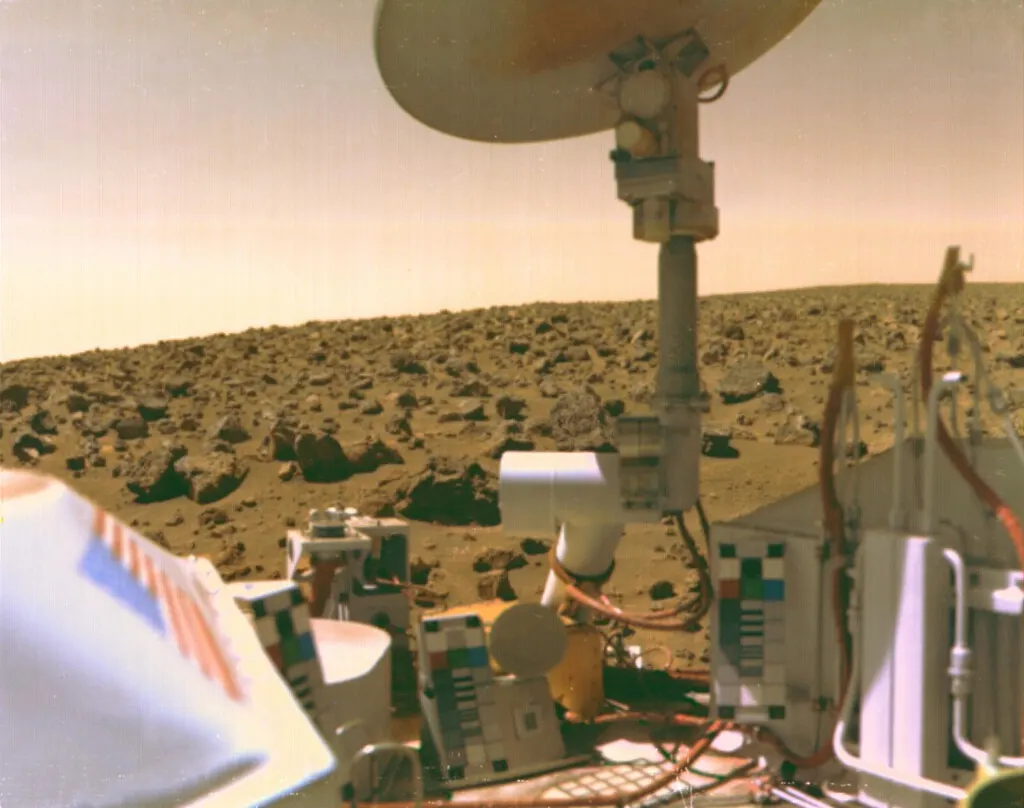
Viking 2 Data May Hold the Oldest Marsquake Ever Recorded
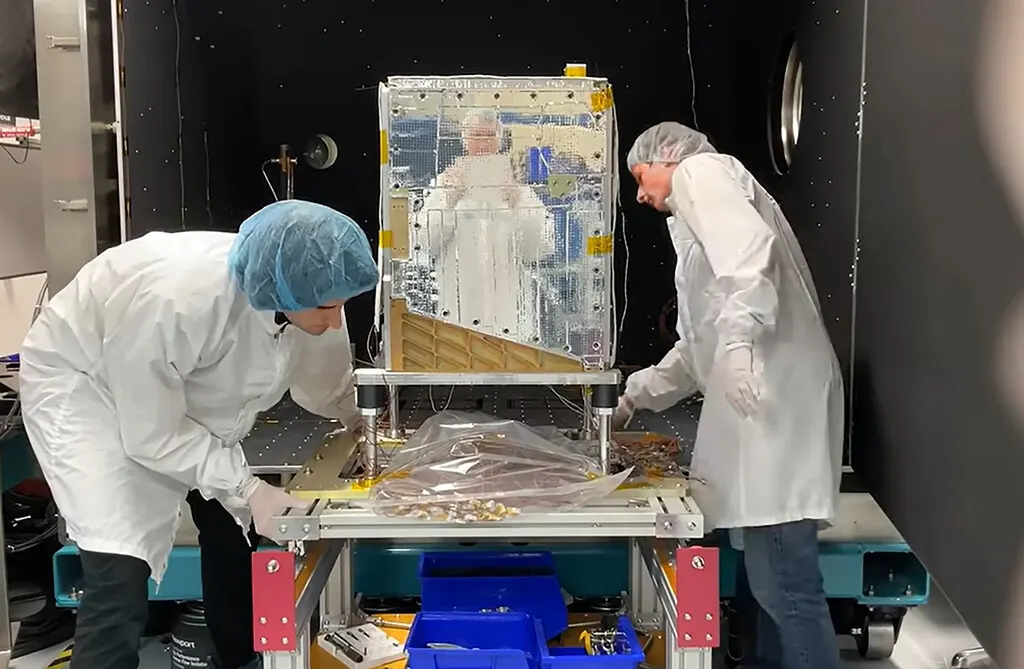
Google Runs Gemma 4 on a TPU in Orbit in Suncatcher Test

Google: Orbital AI Data Centers Cost 100 Times More Than Earth