Google Runs Gemma 4 on a TPU in Orbit in Suncatcher Test
Google received a response from its Gemma 4 model running on a data-center-class TPU aboard a satellite, a first step for Project Suncatcher's space computing plans.
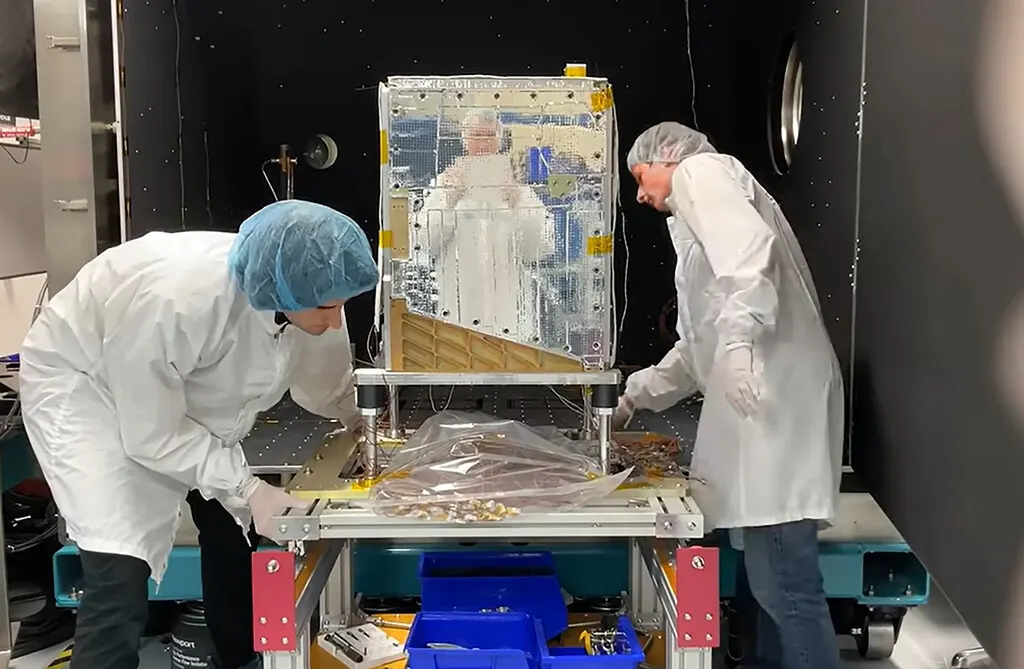
Google has received an answer generated in orbit by its open model Gemma 4, running on a tensor processing unit (TPU), a data-center-class chip. The company announced the result on 30 October. The satellite was built with Planet, launched on 1 October on a SpaceX mission, and is part of Project Suncatcher, Google's research initiative into space-based computing.
The test itself was modest. Researchers used a communication window with a ground station to ask the satellite to write a haiku about being in space. The reply arrived as the craft passed near Svalbard, Norway. The point was to show that the system could process a request in orbit and send the result back to Earth.
A test bed, not a data center
The prototype carries four TPUs but can use only one at a time, for short periods of about 20 minutes. It is a test bed rather than an orbital data center. Google introduced TPUs in 2016 as an alternative to NVIDIA GPUs, although Broadcom helps develop them and TSMC manufactures them.
Running AI in orbit is not new. In 2020, the European Space Agency's Φsat-1 used AI to filter cloudy images before transmitting them. In November 2025, Starcloud launched a satellite with an NVIDIA H100 GPU and said the following month that it had run Gemma on board. Google's claim is narrower: getting a response from a data-center-class TPU in space.
The energy bet and the obstacles
Project Suncatcher envisions distributed satellites with processors, linked by optical connections to run AI workloads. The main draw is energy: in certain orbits, near-constant sunlight could yield, by Google's estimates, up to eight times the electricity of equivalent solar panels on Earth.
The obstacles are significant. In a vacuum there is no air to carry heat away from processors, so Google is studying heat pipes and radiators, which it has tested in vacuum chambers. Space radiation can disrupt circuits, and the company has run ground tests for it. It still has to show how the hardware performs over long periods and whether deployment costs are acceptable.
After the haiku, researchers tried other space-themed poems and requests about the satellite's technical status. They are now preparing tests on how the TPUs withstand thermal stress and radiation in orbit. The next announced goal is an experiment with two interconnected satellites in 2027.
Apps worth a look
 SUMO: the number puzzle
Tap the right tiles, add them up, hit the target. Easy to learn, hard to master. Free, for all ages.
 Dialo: learn languages by speaking
Talk to an AI conversation partner; every sentence comes back corrected and explained in your language. 9 languages, A1 to C2.
 ediviewer: read EDI files like documents
Open EDIFACT and X12 messages, see every segment explained, convert to JSON/XML, export PDF and Excel. Runs locally, no upload.
More from this day
See all →
Anthropic Shows Unreleased AI Model Exploiting Linux and Chrome Flaws

Shadow AI: Deleting a ChatGPT Chat Doesn't Erase Company Data
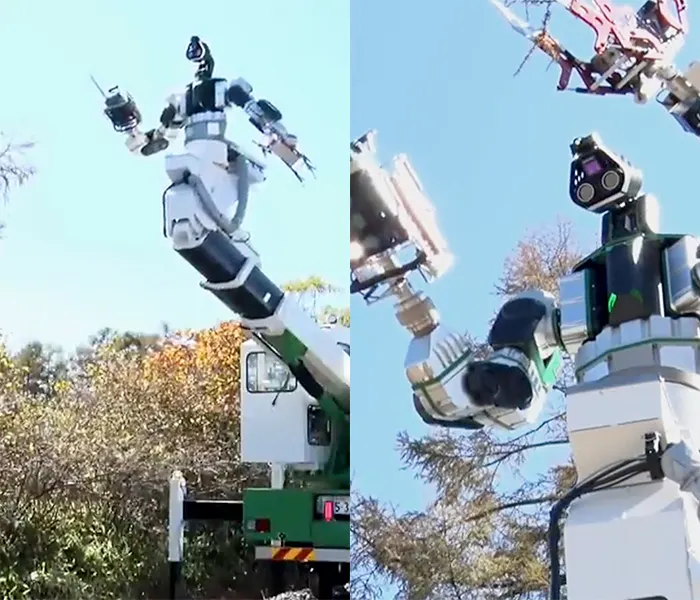
JR East Puts Chainsaw-Wielding Humanoid Robot to Work on Rail Lines
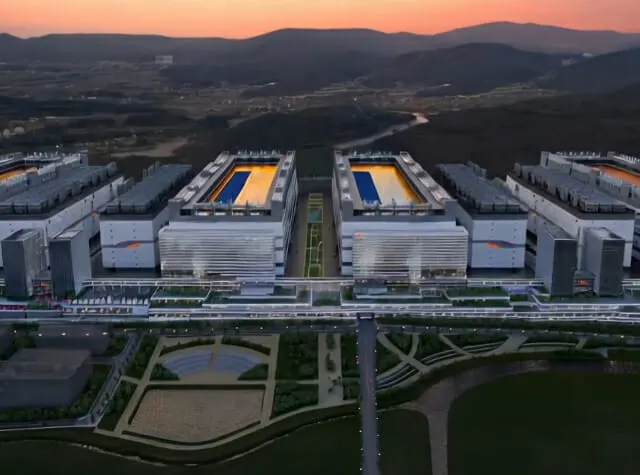
South Korea Aims to Bring Chip Fabs Online 2+ Years Earlier
More in: Space
See all →
Viking 2 Data May Hold the Oldest Marsquake Ever Recorded
Google: Orbital AI Data Centers Cost 100 Times More Than Earth
EIB and Deutsche Bank Aim to Mobilise €560M for European Space