Asteroid mining could crash platinum prices by over 75%, MIT study
Two MIT researchers modelled what happens if AstroForge-style asteroid mining works: a gold rush first, then platinum prices falling more than 75%.
 SUMO· the number puzzle
 Dialo· learn languages by speaking
 ediviewer· read EDI files like documents
 giftdetect· the right gift in minutes
Asteroid mining has been science fiction's favourite way to get rich. A new simulation suggests the real-world version might make the metals it chases a lot less valuable.
Two systems dynamics researchers at MIT, Robert Nachtrieb and Stephen Smith, posted a paper on arXiv titled "Will AstroForge Collapse the PGM Market?" PGMs are platinum group metals: platinum, palladium, rhodium, iridium, ruthenium and osmium. They go into catalytic converters, electronics, jewellery and hydrogen fuel cells. They are expensive because supply is thin. More than 80% of known reserves sit in deep mines in South Africa and Russia, where a tonne of rock yields only a few grams of metal.
How would asteroid mining work?
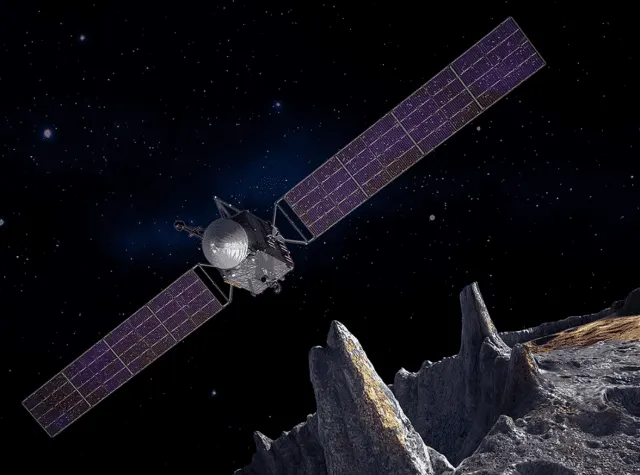
The target is metallic M-type asteroids, thought to be leftovers from the metal cores of early planets. They are richer in platinum group metals than ordinary Earth ore. One asteroid about 1 km across may hold more of these metals than humans have ever mined.
California-based AstroForge plans to use small probes that cost a few million dollars to launch, instead of multibillion-dollar ships. A probe would anchor to the asteroid with magnets, vaporise the surface with a high-power laser, and separate the precious metals from nickel and iron on board. Only the refined metal would come home, in a heat-shielded capsule.
What does the simulation predict?
The team built a dynamic model covering the 20 years after the first successful delivery to Earth. Phase one is a space gold rush. Prices stay high at first, so early miners sell at current market rates, and the researchers say industry profits could rise to as much as eight times today's level, drawing in investment.
Phase two is a collapse. Space supply overtakes Earth's mine output, and high-cost mines, such as those in North America, lose out first. Within 15 years, the paper says, asteroid metal could fully replace mined supply and prices could fall by more than 75%.
Cheaper platinum could lower the cost of electrolysers, the machines that make hydrogen. Fewer deep mines would also mean less acid mine drainage, less arsenic pollution and fewer dangerous underground jobs.
The engineering is still unsolved: reaching an asteroid, mining it stably, refining the metal and landing it safely. The authors say the fast-growing commercial space sector makes that future look closer.
Apps worth a look
SUMO: the number puzzleTap the right tiles, add them up, hit the target. Easy to learn, hard to master. Free, for all ages.
Dialo: learn languages by speakingTalk to an AI conversation partner; every sentence comes back corrected and explained in your language. 9 languages, A1 to C2.
ediviewer: read EDI files like documentsOpen EDIFACT and X12 messages, see every segment explained, convert to JSON/XML, export PDF and Excel. Runs locally, no upload.
giftdetect: the right gift in minutesPick who it is for, the occasion and their personality. The search engine reads product descriptions from local shops and ranks what fits. Free, no sign-up.
More from this day
See all →
Navigo pass on Samsung: what you lose by moving to Google

Korea tax exam AI glasses cheating claim: runner-up shows his books

SS United States sunk off Florida to become a giant reef
Teen's DIY ferrofluid water filter removes 95% of microplastics
More in: Space
See all →
Space USB: Europe's universal connector to repair satellites
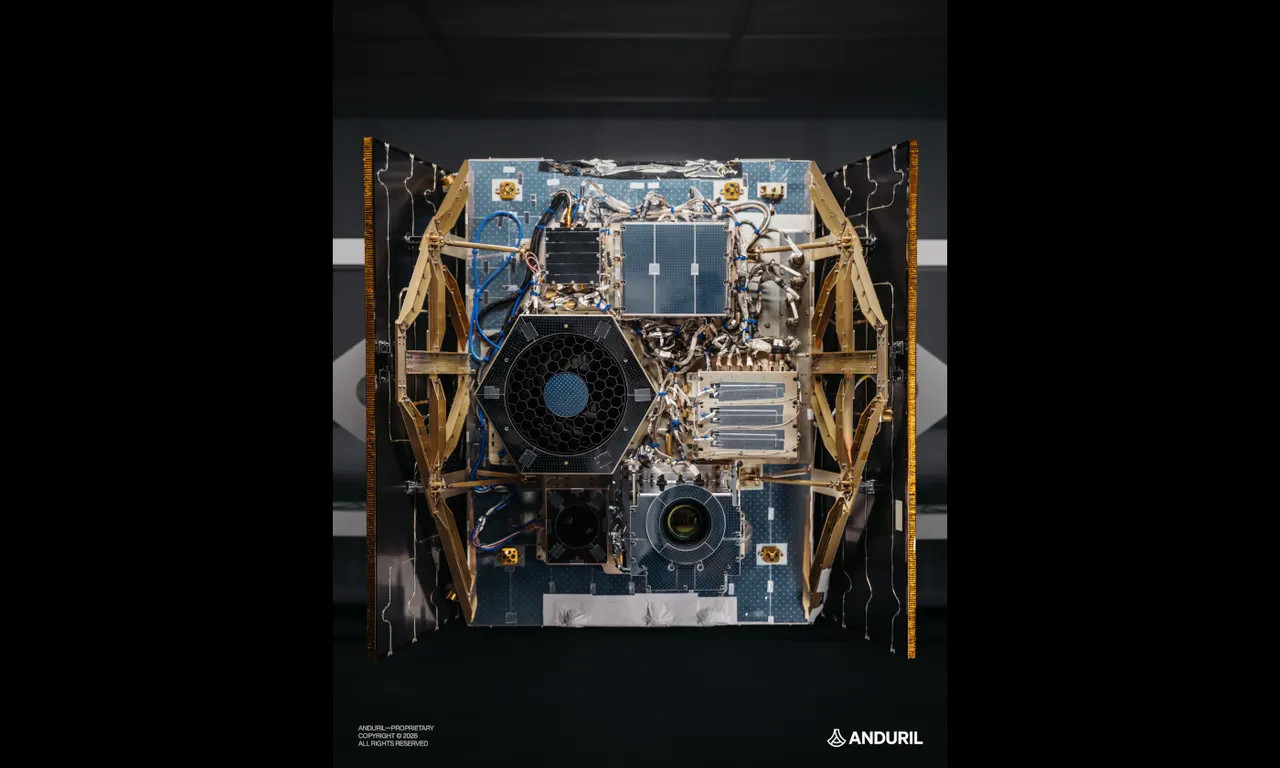
Anduril-216 satellite spots other satellites in Earth's shadow

ASTRA robot builds a structure in orbit with no human at the controls