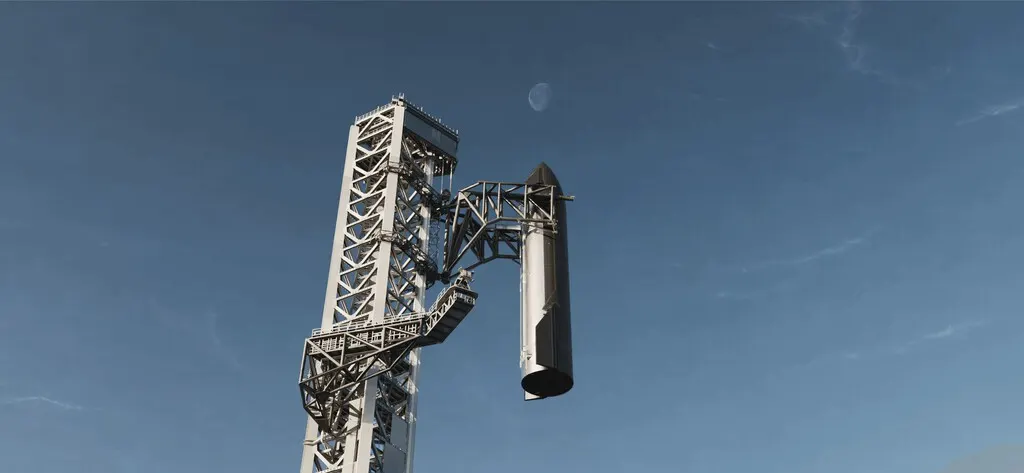
Space USB: Europe's universal connector to repair satellites
Throw away your phone when the battery dies? That's what we do with satellites. A European team built Space USB, a universal plug that could let repair ships fix them instead.
 SUMO· the number puzzle
 Dialo· learn languages by speaking
 ediviewer· read EDI files like documents
 giftdetect· the right gift in minutes
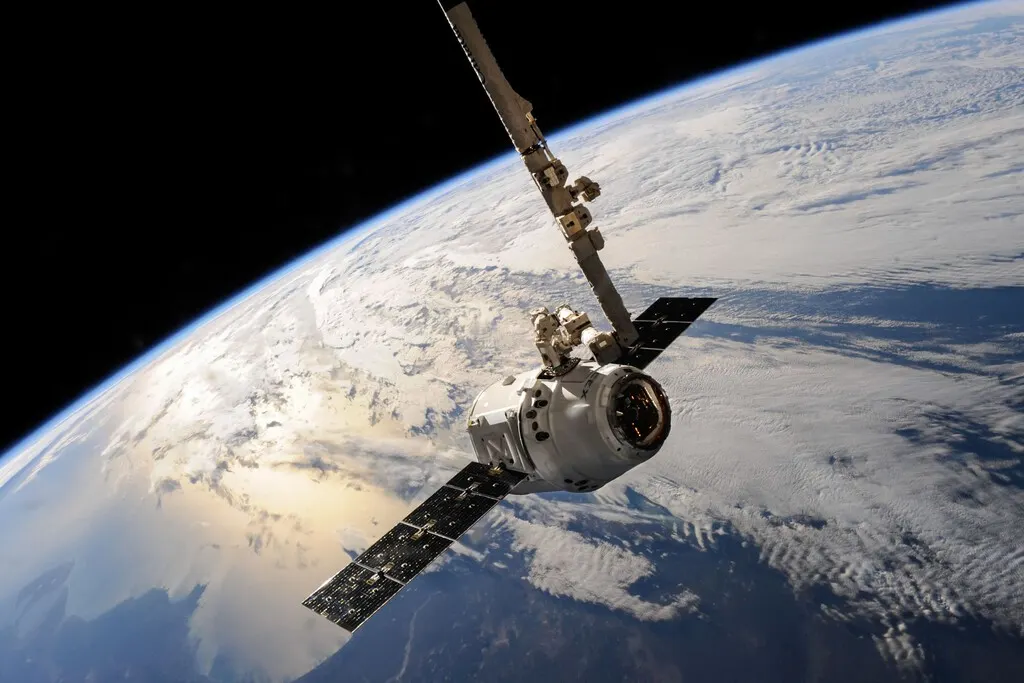
Imagine binning your phone the moment its battery runs flat. That is more or less what happens to satellites: when one runs out of fuel or breaks, it is usually abandoned, replaced, and left to join the pile of space junk. A European research team has built a possible fix called Space USB, a universal connector for satellite repair.
The idea is simple. Send up a spacecraft that can pass power, data, heat and other resources to a satellite, and the satellite keeps working. The catch is that the repair ship and the satellite need plugs that fit each other, and today they often don't.
What is Space USB?
The project ran from 1 January 2024 to 31 December 2025, coordinated by Raphael Boissonnade of Thales Alenia Space France. The goal was a common interface for the many satellite technologies in orbit, named after the USB standard we use on Earth. It also had to be light and compact, dock within minutes and need little force to lock in place.
The team then built a test device and took it into the lab. They tried it with three standard robotic connectors made by different European companies: HOTDOCK, SIROM and iSSI. Each can join modules in space and pass mechanical load, electrical power and data between them, but normally only with a connector of its own kind. HOTDOCK works with HOTDOCK, never with SIROM. With the Space USB prototype, that cross-connection worked.
Why it matters beyond repairs
If connectors like this catch on, satellites could be reused and less junk would pile up. Orbital construction robots could benefit too. Caltech recently tested one such robot, and a universal connector would be a handy tool if more companies and labs follow.
How far along is it?
Not far yet. The prototype sits at TRL 3, a technology readiness level that means it has been shown to work in a lab, but without simulating vacuum or radiation. The connector used is also a bit bigger than the final version would be. So the space USB is still in its infancy, though it is heading in the right direction.
The next step is to see how it behaves in conditions closer to real orbit.
Apps worth a look
SUMO: the number puzzleTap the right tiles, add them up, hit the target. Easy to learn, hard to master. Free, for all ages.
Dialo: learn languages by speakingTalk to an AI conversation partner; every sentence comes back corrected and explained in your language. 9 languages, A1 to C2.
ediviewer: read EDI files like documentsOpen EDIFACT and X12 messages, see every segment explained, convert to JSON/XML, export PDF and Excel. Runs locally, no upload.
giftdetect: the right gift in minutesPick who it is for, the occasion and their personality. The search engine reads product descriptions from local shops and ranks what fits. Free, no sign-up.
More from this day
See all →
Covadonga shark tooth: a 331-million-year-old giant found in Asturias

Pedro Sánchez on his hacked iPhone: "It's a UFO" on Jordi Wild's podcast

GTA 6 release: Gen Z men are booking the most time off

Not that Jensen Huang: Lycana founder turns his Nvidia name into buzz
More in: Space
See all →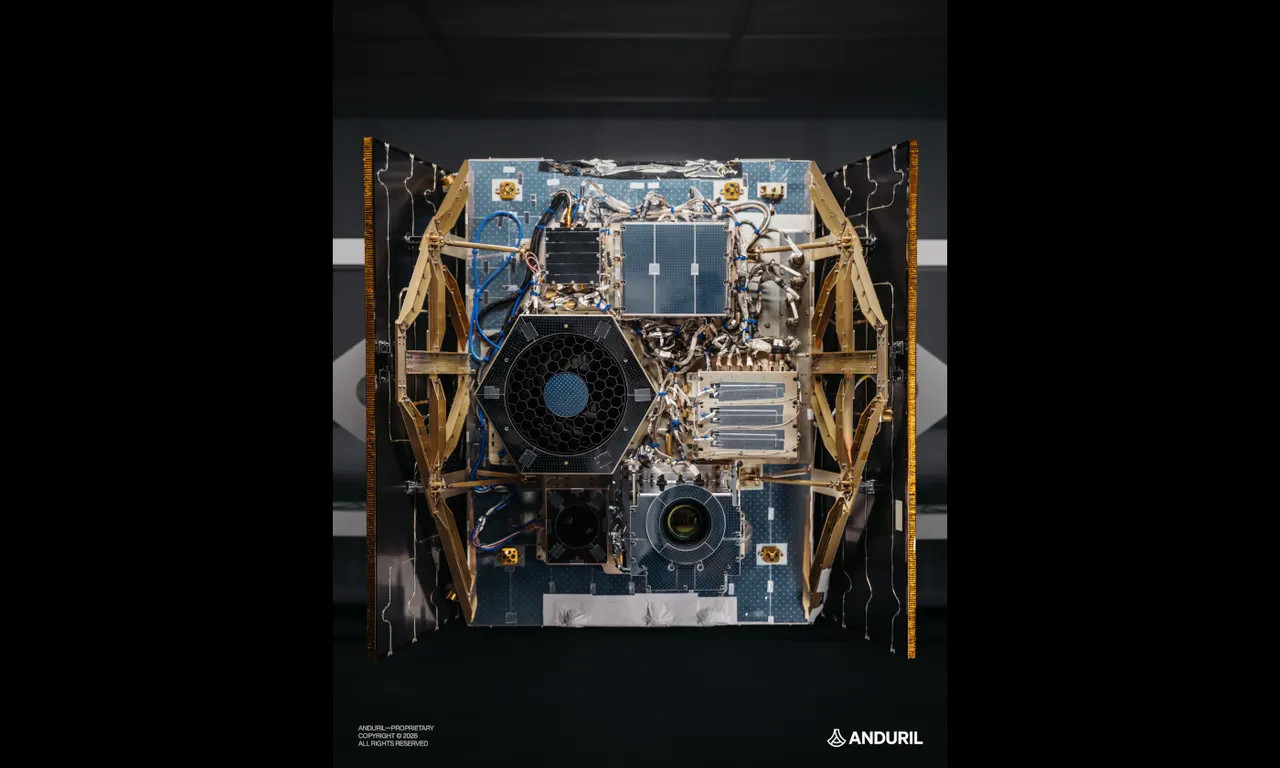
Anduril-216 satellite spots other satellites in Earth's shadow

ASTRA robot builds a structure in orbit with no human at the controls
Starlink vs. a nuclear blast in space: 98% of satellites lost in a week