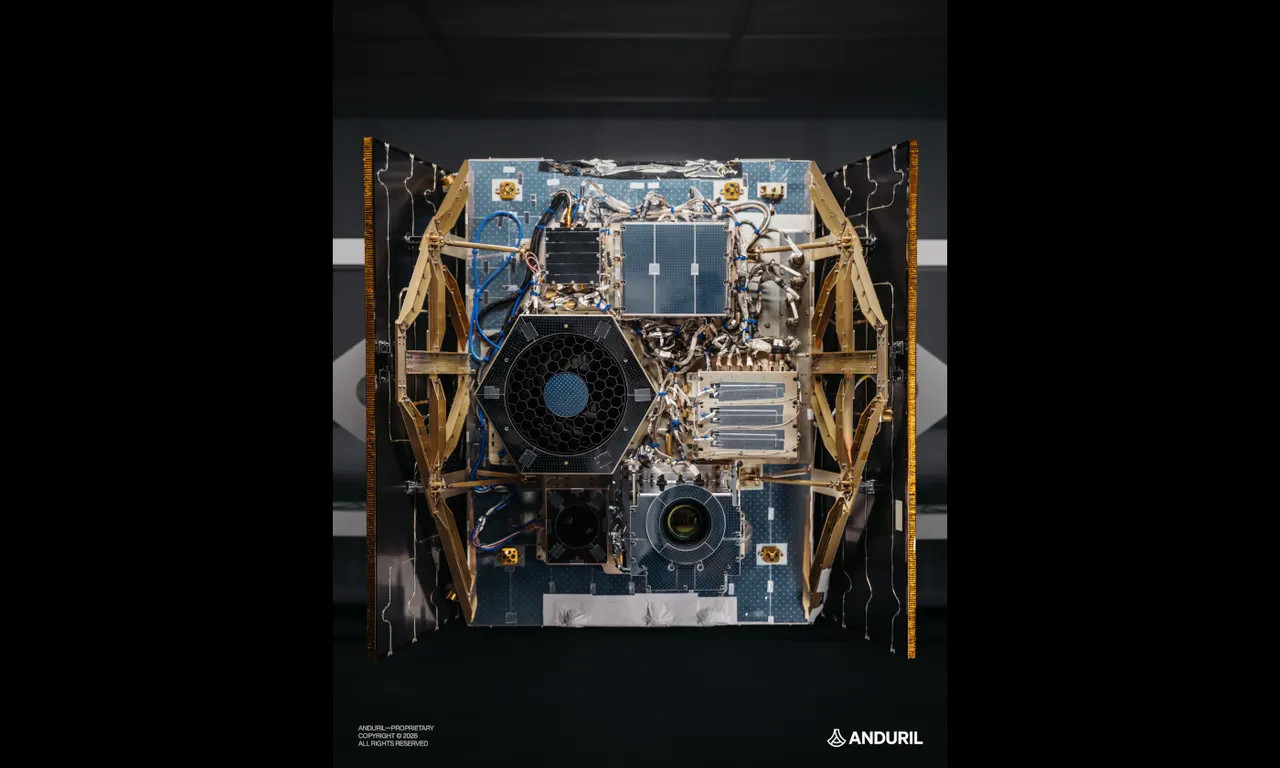
Anduril-216 satellite spots other satellites in Earth's shadow
Anduril-216, launched in July, uses infrared sensors to find satellites hiding in Earth's shadow, where sunlight-based tracking sees nothing at all.
 SUMO· the number puzzle
 Dialo· learn languages by speaking
 ediviewer· read EDI files like documents
 giftdetect· the right gift in minutes
Hiding a satellite in space is easier than it sounds: park it in Earth's shadow and it vanishes. Anduril-216 is built to find exactly those objects.
The satellite was launched in July and already works, which the makers have only now chosen to boast about. It circles Earth at an altitude of 590 km and carries infrared detectors that pick up heat sources in orbit.
How does Anduril-216 see satellites in the dark?
Seeing a satellite from the ground or from another spacecraft normally depends on one thing: it has to reflect sunlight. When it slips into Earth's shadow, it goes completely invisible. That gap is a nice opportunity for combat or sabotage satellites, assuming any are up there already. It also matters for something more mundane: damaged, dead satellites drifting unseen in those zones can be a real hazard.
Anduril-216 doesn't need sunlight at all. It looks for heat, and it actually does better when its target sits in darkness, because the contrast is clearer.
Why is hiding from it so hard?
Every working satellite gives off some heat. In space, radiation is the only way to get rid of the excess, so a satellite can't simply stop glowing in infrared without cooking its own electronics. Concealing a spacecraft from Anduril-216 would therefore be a very awkward task.
The problem grows if more of these watchers are launched and spread across different orbits. One satellite covers only so much sky, but several would make hiding in the dark far less of an option.
For now, this is a single satellite at 590 km, already in service rather than a plan on a slide. What it has actually spotted hasn't been shared.
Apps worth a look
SUMO: the number puzzleTap the right tiles, add them up, hit the target. Easy to learn, hard to master. Free, for all ages.
Dialo: learn languages by speakingTalk to an AI conversation partner; every sentence comes back corrected and explained in your language. 9 languages, A1 to C2.
ediviewer: read EDI files like documentsOpen EDIFACT and X12 messages, see every segment explained, convert to JSON/XML, export PDF and Excel. Runs locally, no upload.
giftdetect: the right gift in minutesPick who it is for, the occasion and their personality. The search engine reads product descriptions from local shops and ranks what fits. Free, no sign-up.
More from this day
See all →
iPhone worse_query bug: Binance warns crypto wallets are at risk
Microsoft outage: Outlook, Teams and Office down for 11 hours

AMD Adrenalin 26.11.1 fixes Radeon driver SSD write bug

Apple Support Community is closing after 28 years
More in: Space
See all →
ASTRA robot builds a structure in orbit with no human at the controls
Starlink vs. a nuclear blast in space: 98% of satellites lost in a week
Starship Flight 15: SpaceX Will Try to Catch Both Stages