SS United States sunk off Florida to become a giant reef
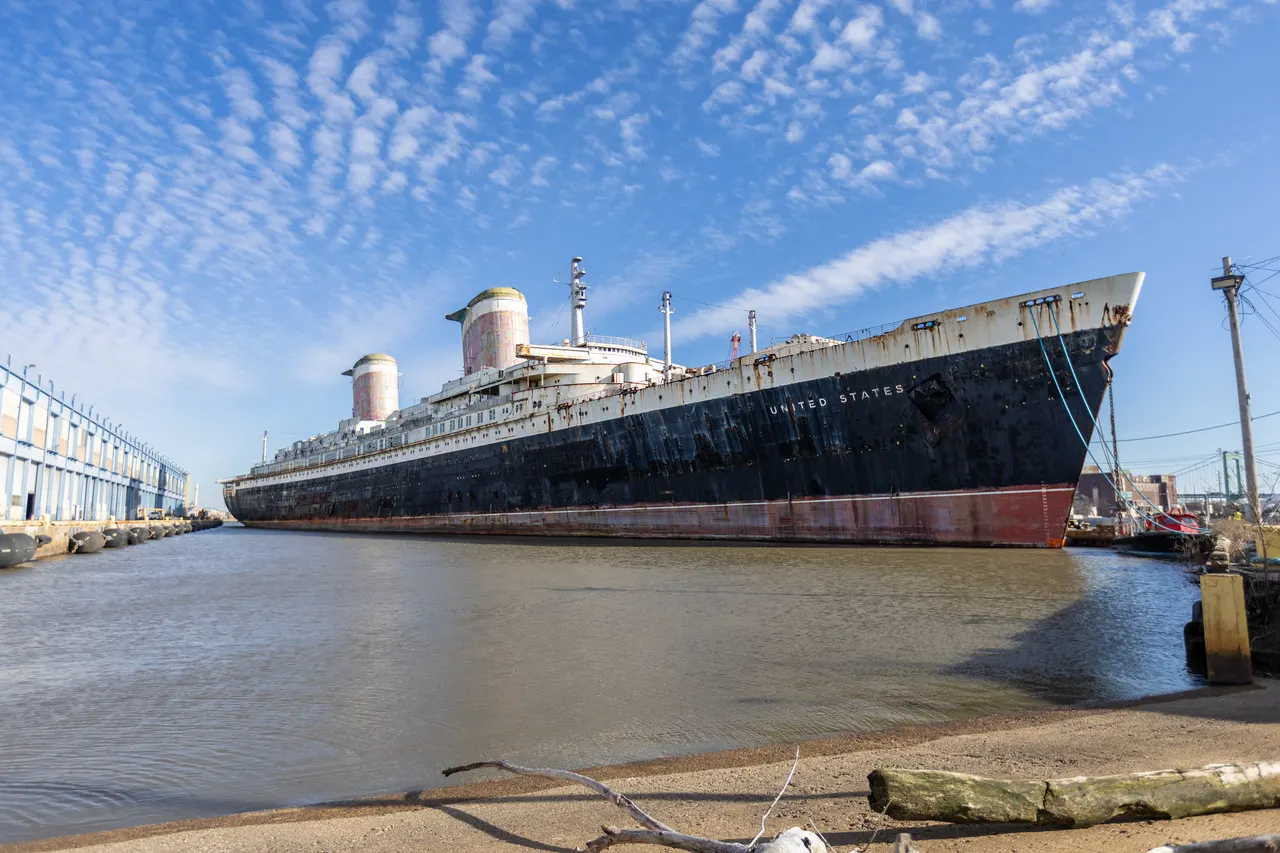
The SS United States, a liner longer than the Titanic, now rests 55 metres down off Destin, Florida, as the world's largest artificial reef.
 SUMO· the number puzzle
 Dialo· learn languages by speaking
 ediviewer· read EDI files like documents
 giftdetect· the right gift in minutes
The SS United States, a 1950s ocean liner that once beat every speed record on the Atlantic, is now on the seafloor off Florida. It went down on purpose, and the plan is for fish to move in.
The ship sank on the evening of 11 November off Destin, Florida, and settled in about 55 metres of water. The work ran longer than planned. No explosives were used. Crews let seawater into the hull instead. Before that, more than a year went into stripping out fuel and hazardous materials and cleaning the ship, to limit the harm to the sea.
What is the SS United States?
The liner entered service in 1952 and set a transatlantic speed record on its first crossing. At the time it was the fastest passenger ship in the world. It is about 302 metres long, roughly 33 metres more than the Titanic, and carried Hollywood stars and US presidents.
Air travel took over, and the ship was retired in 1969. Several plans to reuse it came and went. None happened, and it sat tied up in port for years.
Why sink a ship as a reef?
An artificial reef is a structure placed on the seabed so fish and other marine life can gather around it. This one is billed as the largest in the world.
It is also a rare research chance. Scientists usually reach a wreck long after life has moved in, so they can't tell who arrived first. A team led by the Woods Hole Oceanographic Institution (WHOI) will watch the process from day one for several years. They will track how microbes, corals and sponges settle on the hull, and how the surrounding water and microbe communities change.
The steel hull will slowly corrode, releasing iron, manganese and nickel into the water. The team wants to know what that does to living things. They plan to take water samples at 132 spots around the ship, run the baseline survey in the first month, then return every year.
The researchers are also considering adding photos from recreational divers who visit the site to their data.
Apps worth a look
SUMO: the number puzzleTap the right tiles, add them up, hit the target. Easy to learn, hard to master. Free, for all ages.
Dialo: learn languages by speakingTalk to an AI conversation partner; every sentence comes back corrected and explained in your language. 9 languages, A1 to C2.
ediviewer: read EDI files like documentsOpen EDIFACT and X12 messages, see every segment explained, convert to JSON/XML, export PDF and Excel. Runs locally, no upload.
giftdetect: the right gift in minutesPick who it is for, the occasion and their personality. The search engine reads product descriptions from local shops and ranks what fits. Free, no sign-up.
More from this day
See all →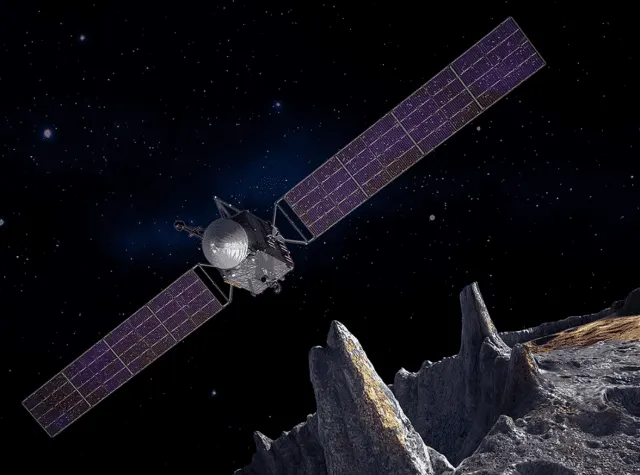
Asteroid mining could crash platinum prices by over 75%, MIT study

Korea tax exam AI glasses cheating claim: runner-up shows his books
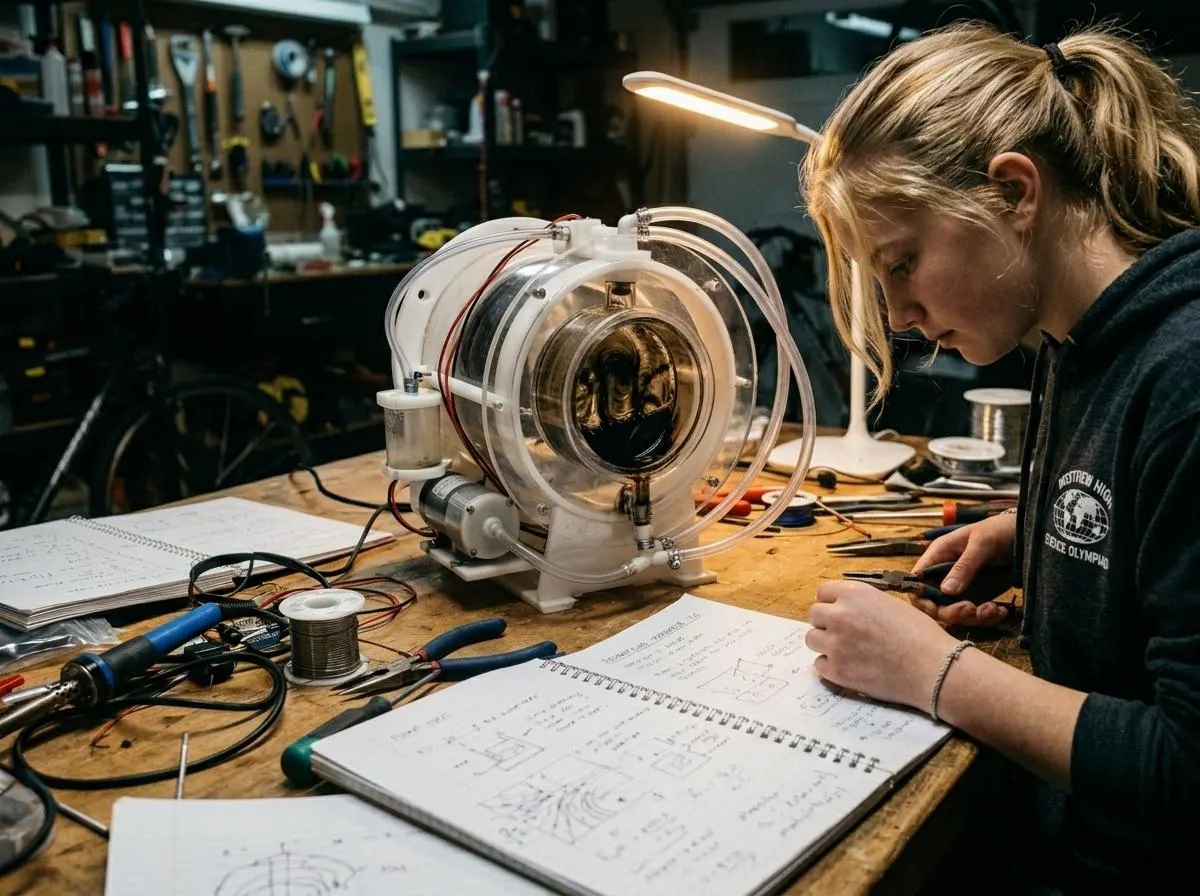
Teen's DIY ferrofluid water filter removes 95% of microplastics