Florida sea turtle hatchlings: every one tested is female
Researchers in Florida raised sea turtle hatchlings in the lab to check their sex. Every one so far is female, and some years have produced no males at all.

 SUMO· the number puzzle
 Dialo· learn languages by speaking
 ediviewer· read EDI files like documents
 giftdetect· the right gift in minutes
Florida sea turtle hatchlings are coming out almost entirely female, and the batch currently being studied has no males in it at all.
Florida Atlantic University (FAU) raises turtles born on Florida beaches in a lab and checks their sex. According to the university's announcement on November 6, this is not a one-off. Professor Jeanette Wyneken, who has led the 24-year study, says some years produce no males, and others only 1 to 2 percent.
Sea turtles always skew female, but the gap has been getting wider. Hot weather has been linked to more female turtles in Florida for some time. The team's records show nest temperatures climbing, and summer 2026 was especially hot. In a normal year, storms and cloud cover cool things down. This time the nests stayed warm.
Why are sea turtle hatchlings all female?
The warmth of the sand decides it. Hotter nests produce more females. Push the sand too far, though, and the embryos can die inside the egg or develop with physical problems.
Can anything be done?
Wyneken estimates that a population needs about 25 percent of hatchlings to be male every three to four years to stay healthy. The turtles under study fall short of that. Shading the beach to cool nests could raise the share of males, but the approach has limits, according to the university.
The real effect will take a long time to show. Sea turtles need 20 to 30 years to reach breeding age, so we won't know what today's lopsided hatchlings mean for future populations for decades. Males are still being born in other regions. Even so, Wyneken says years with almost no males in the area her team studies are a problem that can't be ignored.
Apps worth a look
SUMO: the number puzzleTap the right tiles, add them up, hit the target. Easy to learn, hard to master. Free, for all ages.
Dialo: learn languages by speakingTalk to an AI conversation partner; every sentence comes back corrected and explained in your language. 9 languages, A1 to C2.
ediviewer: read EDI files like documentsOpen EDIFACT and X12 messages, see every segment explained, convert to JSON/XML, export PDF and Excel. Runs locally, no upload.
giftdetect: the right gift in minutesPick who it is for, the occasion and their personality. The search engine reads product descriptions from local shops and ranks what fits. Free, no sign-up.
More from this day
See all →
AI smart glasses with health tracking: heart rate and eye strain

Chinese medical drone fires emergency drugs into wounded soldiers
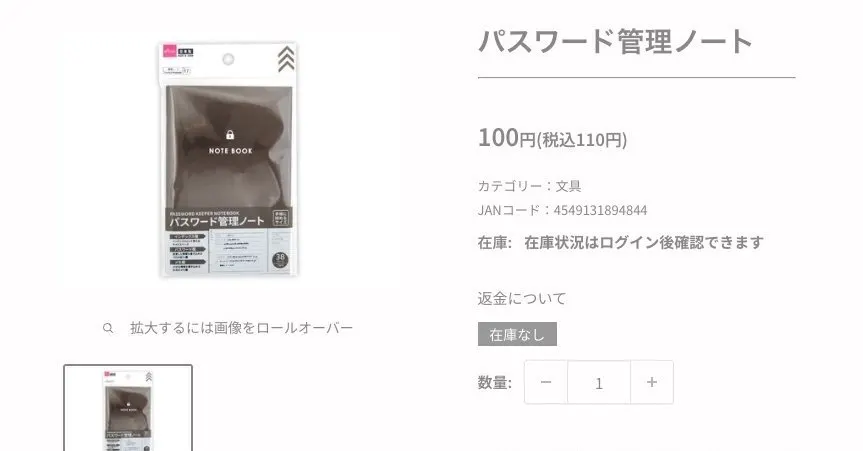
Daiso password notebook sells out as Japan's data leaks pile up