AI smart glasses with health tracking: heart rate and eye strain
Smart glasses are learning to read your heart rate, blood oxygen and eye fatigue. Alibaba's Qwen N1 Pro already does, and a startup called Stasis is next.
 SUMO· the number puzzle
 Dialo· learn languages by speaking
 ediviewer· read EDI files like documents
 giftdetect· the right gift in minutes
Your next smartwatch might sit on your nose. AI smart glasses are moving into health tracking, and some models already measure heart rate, skin temperature and how tired your eyes are.
The glasses market has spread quickly. There are models for productivity, sport and photography, and even for deaf users. Some people have also used them to cheat on exams. Health tracking is now seen as the next area where makers will compete.
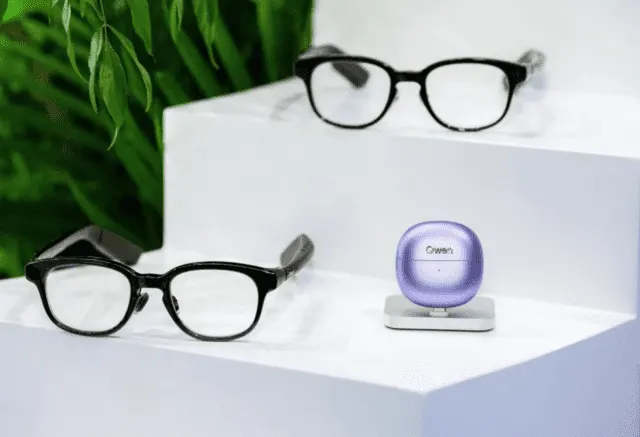
Meta and others already offer basic health features, such as logging nutrition. The glasses recognise the food you eat and record it. Alibaba has gone further with its new Qwen line of AI glasses. They do what Meta's glasses do, plus extra sensors.
What can the Qwen N1 Pro measure?
The Qwen N1 Pro has sensors for skin temperature, blood oxygen saturation and heart rate. That is the core job of smart rings and smartwatches. It also has an eye-tracking module with a camera smaller than 2 mm. The glasses follow your eye movements, so you can control the interface with your gaze, and they can pick up information about eye fatigue.
Stasis and glasses that power themselves
Startup Stasis has shown a prototype of eye-tracking glasses built around eye health. It is not on sale yet. The glasses measure eye fatigue, focus and overall eye condition, and the company says they can tell whether you have rested enough or need another break. Pre-orders are open, and shipping is planned for March or April next year.
Researchers at Northwestern University in the US have built glasses with tiny sensors that turn facial movement into electricity. Blinking or the small pulse of an artery can supply power. Such a design could one day track heart health, fatigue and eating habits without a bulky battery or frequent charging.
All of this is early. But health sensors have one more advantage: they work without an outward-facing camera, so they avoid much of the privacy and cheating controversy that surrounds camera glasses.
Apps worth a look
SUMO: the number puzzleTap the right tiles, add them up, hit the target. Easy to learn, hard to master. Free, for all ages.
Dialo: learn languages by speakingTalk to an AI conversation partner; every sentence comes back corrected and explained in your language. 9 languages, A1 to C2.
ediviewer: read EDI files like documentsOpen EDIFACT and X12 messages, see every segment explained, convert to JSON/XML, export PDF and Excel. Runs locally, no upload.
giftdetect: the right gift in minutesPick who it is for, the occasion and their personality. The search engine reads product descriptions from local shops and ranks what fits. Free, no sign-up.
More from this day
See all →
Pixel Private Space bug: switching dark mode unhides it

Chinese medical drone fires emergency drugs into wounded soldiers

Florida sea turtle hatchlings: every one tested is female

Daiso password notebook sells out as Japan's data leaks pile up
More in: Hardware
See all →
Huawei Magneto-Electric Disk puts an SSD and tape in one box

Light Cavalry solar drone flies without a runway for 30 hours

AgiBot G2 robots run a Shanghai store for 24 hours, 1,730 tasks