SpaceX builds Starlink Mobile carrier after US operators refuse
After US carriers rejected a Starlink network deal, SpaceX is assembling its own mobile operator with spectrum, a Qualcomm chip partnership and a possible Boost Mobile purchase.
 SUMO· the number puzzle
 Dialo· learn languages by speaking
 ediviewer· read EDI files like documents
 giftdetect· the right gift in minutes
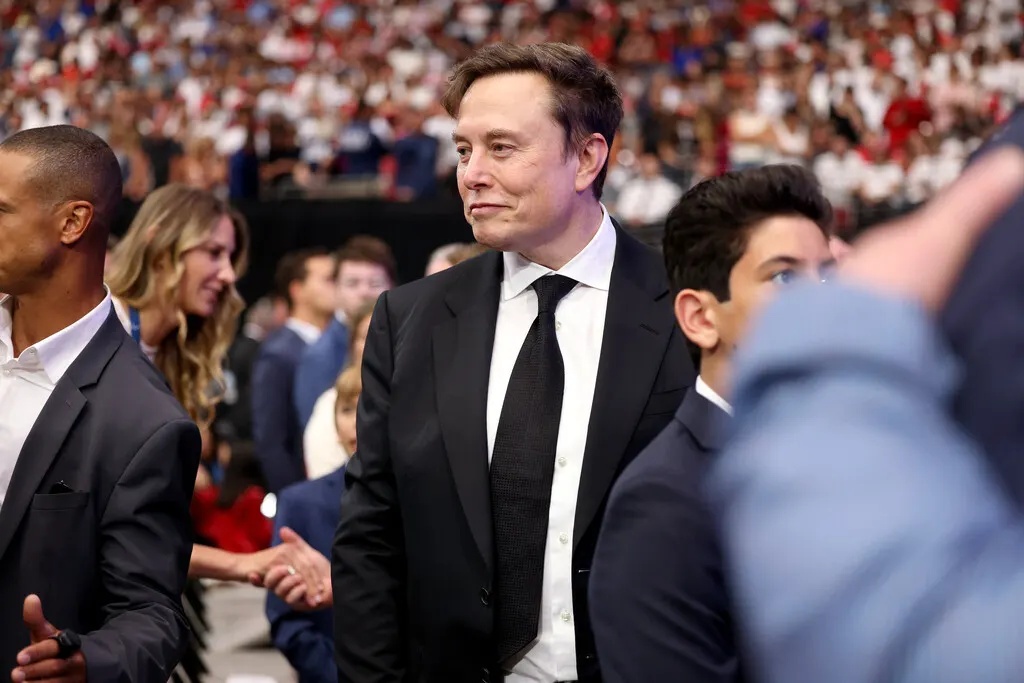
SpaceX is building its own mobile carrier, Starlink Mobile, after the largest US operators turned down its proposal to use their networks for satellite phone service. In a matter of weeks the company has bought spectrum, sought access to cell towers and lined up a 5G technology supplier.
The refusal
The clearest rejection came with third-quarter results. T-Mobile CEO Srini Gopalan ruled out a mobile virtual network operator (MVNO) agreement with SpaceX, under which Starlink would rent a carrier's network and sell service under its own brand. He called satellite "an inferior version of FWA with even more limitations, such as beam size". Verizon's Dan Schulman was just as blunt: "I see absolutely no benefit" in offering an MVNO platform to a satellite provider.
Spectrum, towers and chips
SpaceX then went after the scarcest resource. It paid EchoStar about $17 billion in cash and stock for a package that includes 2 GHz spectrum meant for talking to phones from space. In October it agreed to buy up to 14 MHz of paired 800 MHz spectrum from Grain Management. These low-frequency waves pass through walls and reach inside buildings. According to SpaceX, the bands would let Starlink Mobile be "the first network operator to deploy satellite and terrestrial spectrum". The FCC still has to approve the deal.
The company also needs ground infrastructure. Bloomberg reported that SpaceX sought access to at least 80,000 antenna sites in the US, which the Wireless Infrastructure Association's count of 158,500 towers last year would put at roughly half. To equip them, SpaceX has signed a deal with Qualcomm, which will supply its Dragonwing platforms for tens of thousands of Starlink Mobile terrestrial base stations, with deployment starting in 2027.
Customers next
What remains is a subscriber base. The Washington Post reported that SpaceX is negotiating to buy Boost Mobile, a route into a US mobile market valued at $235 billion. If it succeeds, SpaceX would control satellites, terrestrial network and retail.
Few carriers can claim that, since operators own no satellites. In Europe, Telefónica, Orange and Vodafone have united against Starlink and, according to Forbes, have not yet chosen a space partner.
Apps worth a look
SUMO: the number puzzleTap the right tiles, add them up, hit the target. Easy to learn, hard to master. Free, for all ages.
Dialo: learn languages by speakingTalk to an AI conversation partner; every sentence comes back corrected and explained in your language. 9 languages, A1 to C2.
ediviewer: read EDI files like documentsOpen EDIFACT and X12 messages, see every segment explained, convert to JSON/XML, export PDF and Excel. Runs locally, no upload.
giftdetect: the right gift in minutesPick who it is for, the occasion and their personality. The search engine reads product descriptions from local shops and ranks what fits. Free, no sign-up.
More from this day
See all →
Blik Global Launches in Revolut for Users Outside Poland
Apple to Scan Public iCloud Links for Harmful Content in iOS 27.3

Meta France Plans About 100 Job Cuts as US Tech Trims Staff

French Navy to charter two Protée ships for mine-hunting drones
More in: Mobile
See all →
NTT Docomo Hit by Nationwide Outage Affecting 5G SA Users
One UI 9 Update Breaks Wi-Fi and Mobile Data on Galaxy Phones

Aldi Talk Enters Postpaid Market With Samsung and Apple Phones