Nagoya University Cracks Century-Old Mystery of Mosquito Mating
Researchers at Nagoya University found how male mosquitoes pick out female wingbeats, a discovery that could lead to new ways to curb disease-carrying species.
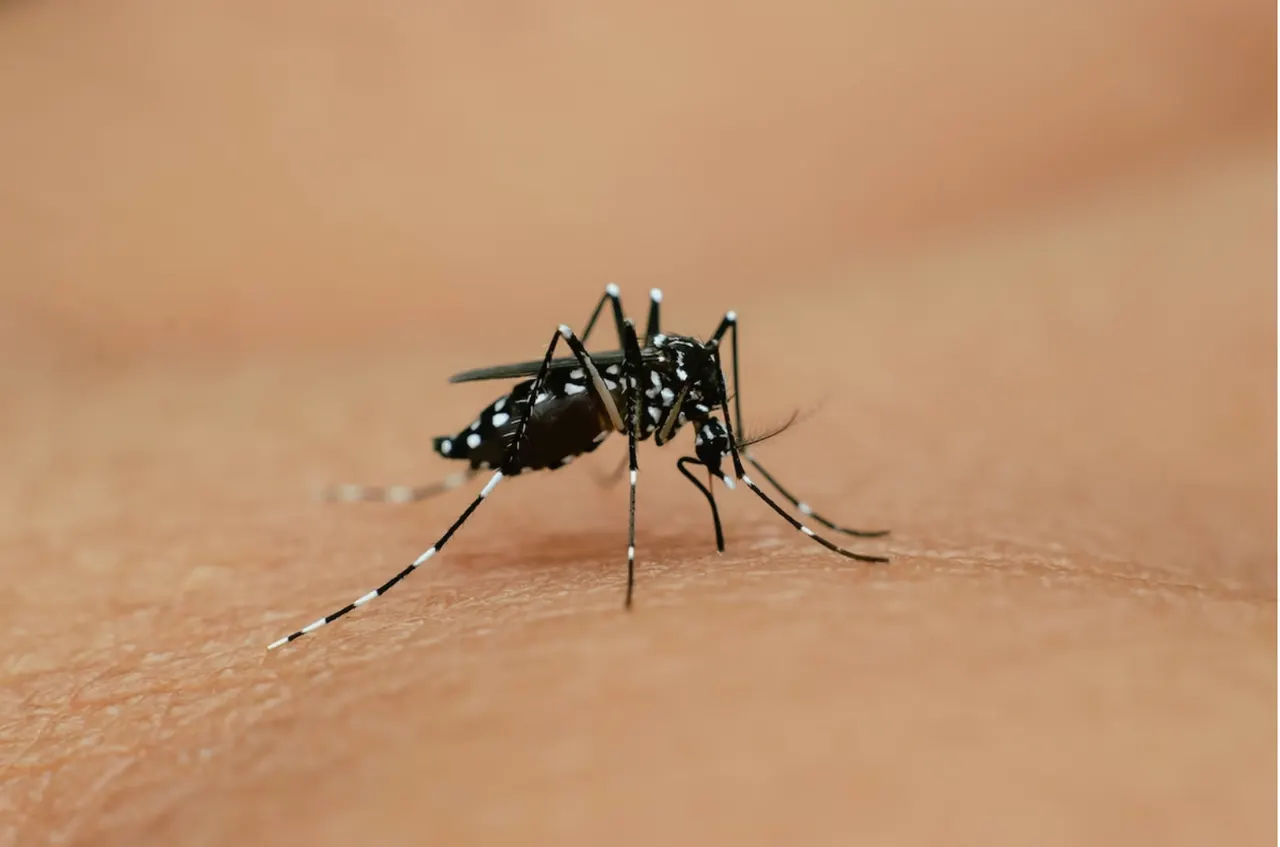
A research team including scientists at Nagoya University has solved a puzzle about mosquito courtship that stood for roughly 100 years: how males recognize and chase females by the sound of their wings. The finding could eventually help limit mosquito breeding.
Male mosquitoes gather in swarms at dusk and wait for females to fly in. When a male hears a female's wingbeat, he pursues her and mates. The two sexes beat their wings at different pitches, about 750 Hz for males and about 450 Hz for females, and males clearly distinguish between the two.
The role of the fruitless gene
The team focused on a gene called fruitless. Mosquitoes that lacked the male-specific protein produced by this gene stopped forming swarms at dusk and were no longer drawn to the sound of female wingbeats.
Mosquitoes hear with antennae on their heads, and the male ear has a mechanism that makes it easier to pick up a female's tone. In males that had lost the gene's function, that capability was badly impaired. The response of their auditory nerves to sound fell to about one-sixth of that seen in normal males.
Why it matters
The study used Aedes aegypti, a mosquito that spreads infections such as dengue fever and Zika. The researchers believe that targeting the activity of this gene could suppress mosquito reproduction, since males that cannot hear females cannot find them.
The work is basic research, and the material provided does not describe any specific control method or timeline. Still, it identifies a concrete genetic target in the mating process of a major disease vector, an approach that differs from killing mosquitoes directly.
More from this day
See all →
Google's Project Suncatcher TPU in orbit answers a prompt with a haiku
Subvocal Raises $1.3M for Glasses That Turn Silent Speech Into Text

EDF Tempo: New Rules Spare Christmas Eve and New Year's Eve
Genesis GV90 Engineers Openly Discuss Failures Behind Coach Doors
More in: Science
See all →
Scentronic Sends Smells Over the Internet With an E-Nose and AI

Enzyme-Laced Plastic Breaks Down 30 Times Faster on the Seabed

Polish Crystals Flown Around the Moon on Orion Detect Faint Radiation