Genesis GV90 Engineers Openly Discuss Failures Behind Coach Doors
At the Genesis GV90 technical briefing, R&D leads opened with 'failure' and 'trial and error', pointing to the pillarless coach doors as proof of a first-mover shift.
Automaker technical briefings usually showcase flawless success stories. The recent Genesis GV90 briefing was different: the R&D engineers on stage began with the words "failure" and "trial and error."
No benchmark to follow
For decades, Korean carmakers worked as fast followers, studying solutions already proven by Mercedes-Benz and BMW and catching up faster and more efficiently. With a clear benchmark, there was little reason to dwell on failures.
The GV90 broke that pattern. The near-3-tonne electric SUV removes the B-pillar and uses coach doors in which the front and rear doors open independently without interfering with each other. According to the company's engineers, no leading luxury brand has put such a design into series production. Without a model to copy, the team went back to university kinematics textbooks and searched furniture fairs and robotic machine-tool factories for ideas. The first test ended in failure, which the engineers treat as a necessary rite of passage for a pioneer.
Why copying may be hard
Asked whether Chinese manufacturers could quickly imitate the hinge structure, the engineers answered calmly. They said the patent coverage of the combined sliding and swing mechanism is dense, but the real barrier is mass-production quality rather than structure. They expressed confidence that rivals would not match the GV90's technology within five years.
Their argument is that reverse-engineering a working prototype is possible, but keeping a door weighing about 70 kg within roughly 0.3 mm tolerance, with no panel-gap drift after tens of thousands of openings, is a different challenge. The roof is also designed to withstand a 14-tonne load in a rollover, with the roll cage and doors working together.
Physics over software
The EV market often frames cars as smartphones on wheels, stressing user experience and value for money. Yet the solid feel of a closing door, the absence of rattles and the stiffness of the body in a crash remain matters of physics. Scrapped tooling and test cars crashed three times more often than for a typical new model produced data that cannot be copied through code alone, and the company's engineers see that as Genesis's real moat.
More from this day
See all →
Scentronic: Ohio State's Electronic Nose Shares Smells Remotely

SEC Warns Prediction Markets Over Insider Trading Risks

Anchorpoint Brings HKDAP Stablecoin to Solana Ahead of Retail Push

Sam Altman: Home PC RAM Is Wasted and Belongs in AI Servers
More in: Automotive
See all →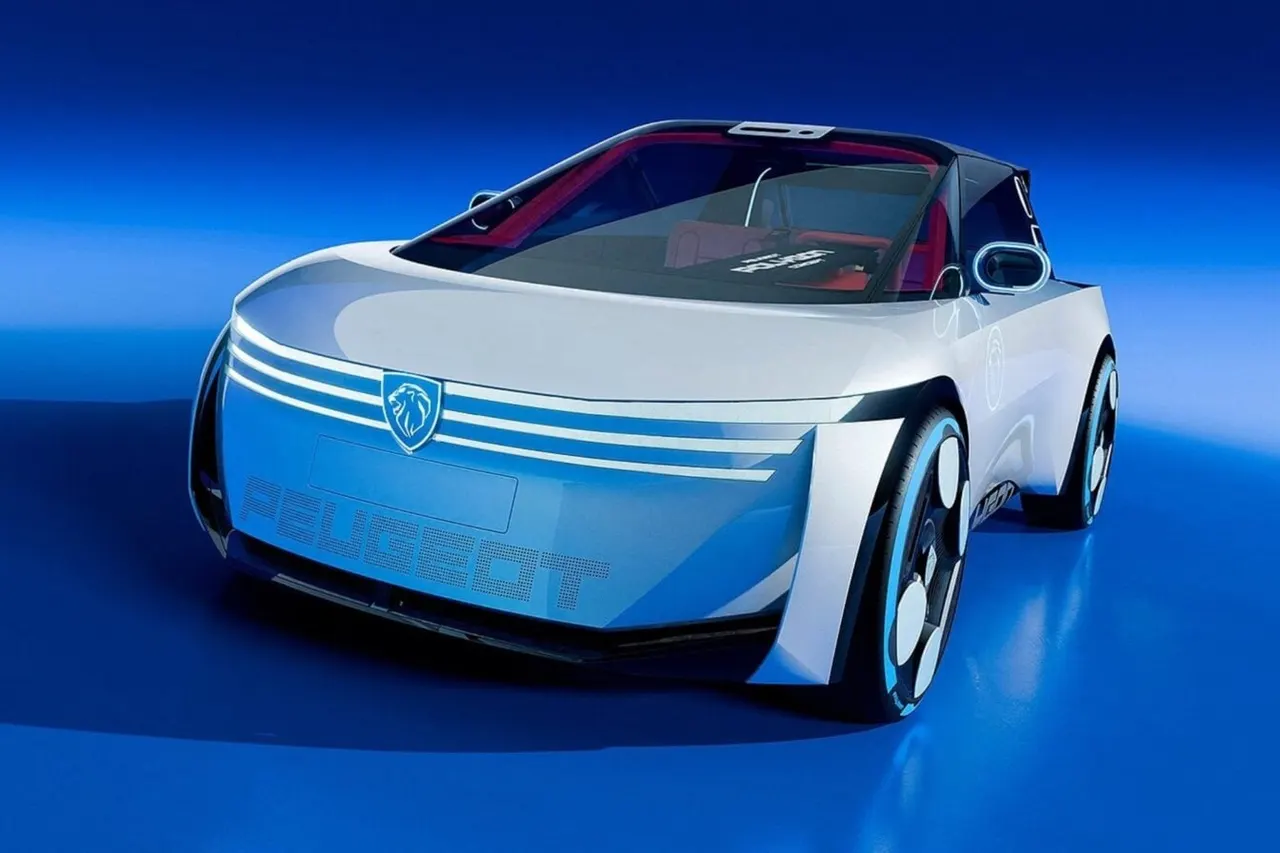
Peugeot 208 III: What We Know About the Next-Gen City Car
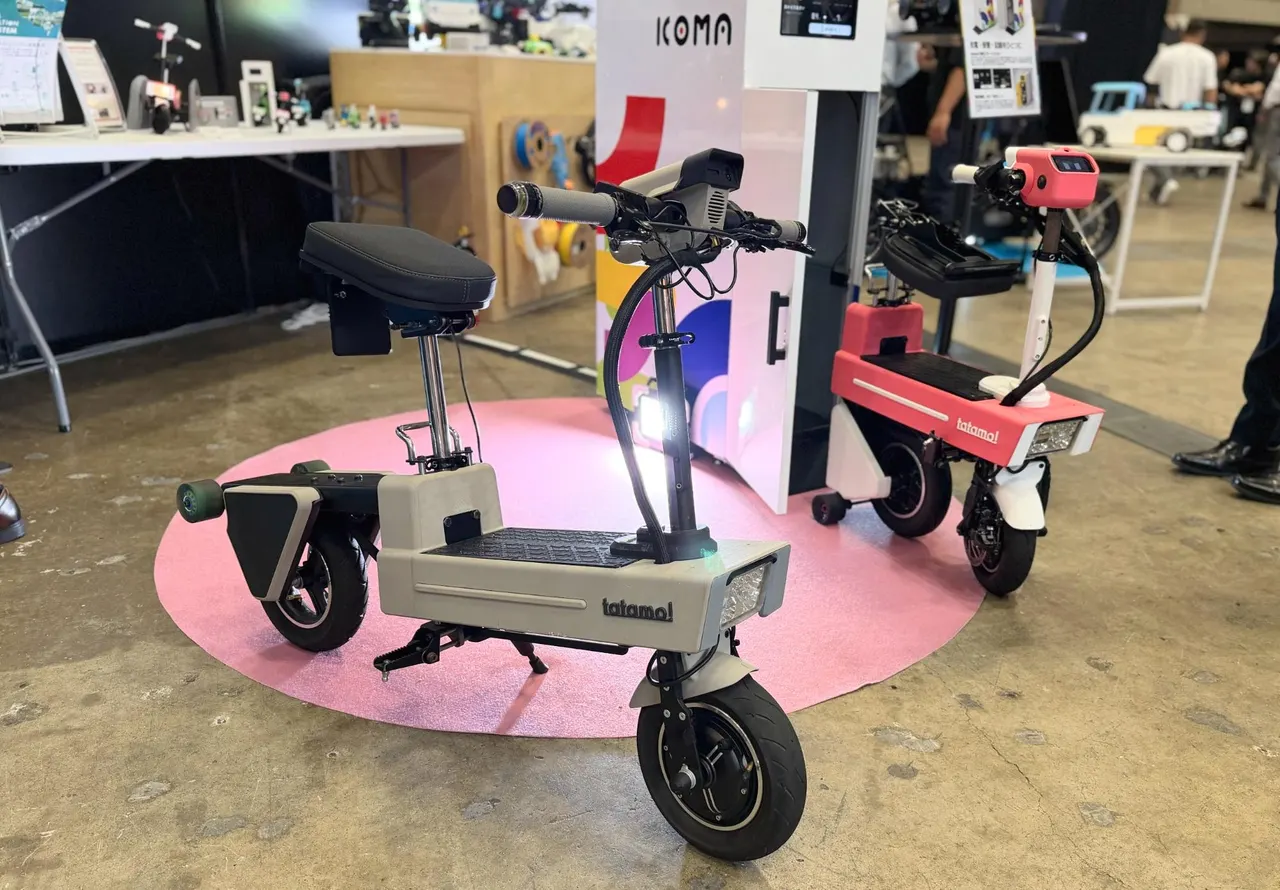
ICOMA tatamo!: A Foldable Robotic E-Bike With a Face and a Home

Tenet and Li Auto owners most often call their car a dream car