Scentronic: Ohio State's Electronic Nose Shares Smells Remotely
Ohio State researchers built an electronic nose that identifies a scent and triggers a wearable generator elsewhere to recreate it, though only five smells are supported so far.
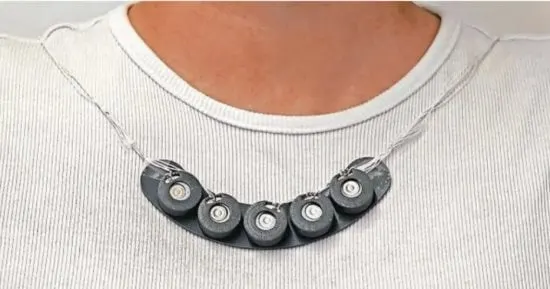
Researchers at Ohio State University have developed a system that detects a smell in one place and recreates it in another. The technology, called Scentronic, pairs an electronic nose with a small scent generator that a person can wear. The findings were published in the journal Science Advances.
The idea is to add smell to the sights and sounds people already share remotely, making those experiences more immersive.
How it works
The electronic nose uses an array of gas sensors to pick up chemical compounds linked to different odors. A machine-learning model then classifies the scent it was trained to recognize. The system sends that information to a scent generator, which releases fragrances to reproduce the smell on the receiving end. The odor molecules themselves are not transmitted over the internet.
The electronic nose is about 15 centimeters across and portable, though not designed to be worn. The team built several versions of the generator, including a wrist band, a necklace and handheld designs.
"Put simply, this links smelling something here with recreating the matching smell somewhere else," said Chunyu Yang, a doctoral student in materials science and engineering and lead author of the study. He added that, to the team's knowledge, it is the first study to explore combining sensing and generation in a compact platform for remote scent sharing.
Limits of the prototype
For now the system recognizes only five smells: beer, donuts, coffee, orange and red wine. Yang said they were chosen as familiar everyday scents with different aroma profiles. A larger library is possible in theory, he said, but an unlimited range goes far beyond what has been shown. Adding scents would require training the nose and loading the matching scented liquids into the generator.
Yang stressed that this is a research prototype developed without any company's involvement. Commercialization would need a larger, more varied training dataset and reliable recognition in real-world conditions, where smells usually occur in mixtures.
The generator would also need further work to support more scents while staying small. Other factors include scent accuracy, refilling, durability, manufacturing cost and the safety of repeated exposure to scented spray. A smartphone could in principle connect to the generator, Yang said, but building everything into the phone would be harder because scent reservoirs, electronics and sprayers take up space and add weight.
More from this day
See all →
Bill Gates Calls for Mandatory AI Safety Limits, Warns of Weapon

Lucca AI Transparency Index: Germany's Top Employers Lag

TeamViewer patches high-risk flaws that allow code injection

ND-Cloud: Google Platform for German Intelligence Draws Fire
More in: Science
See all →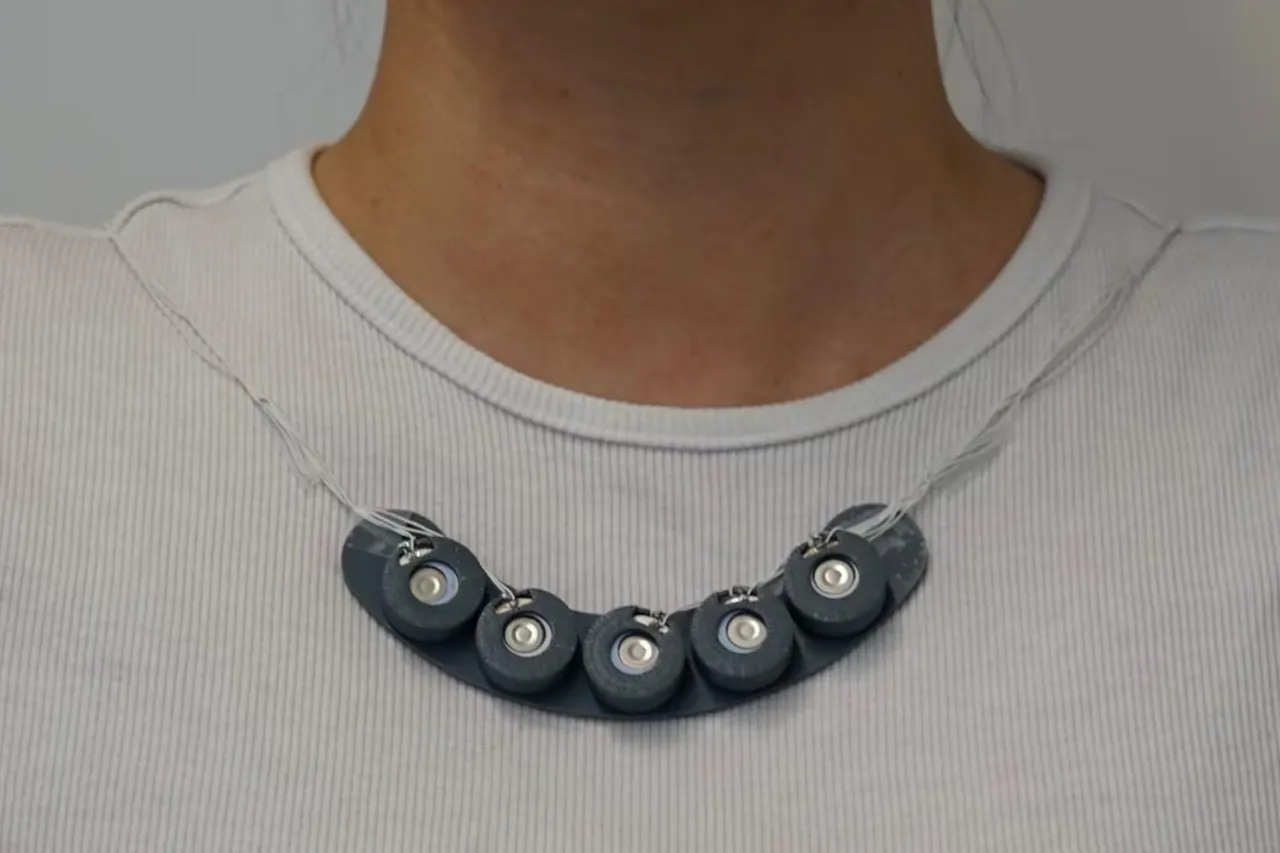
Scentronic Sends Smells Over the Internet With an E-Nose and AI
Nagoya University Cracks Century-Old Mystery of Mosquito Mating
Enzyme-Laced Plastic Breaks Down 30 Times Faster on the Seabed