EDF Tempo: New Rules Spare Christmas Eve and New Year's Eve
France's energy regulator CRE changes how red days are picked for EDF Tempo subscribers. December 24 and 31 are now excluded, and picks will be spread across winter.
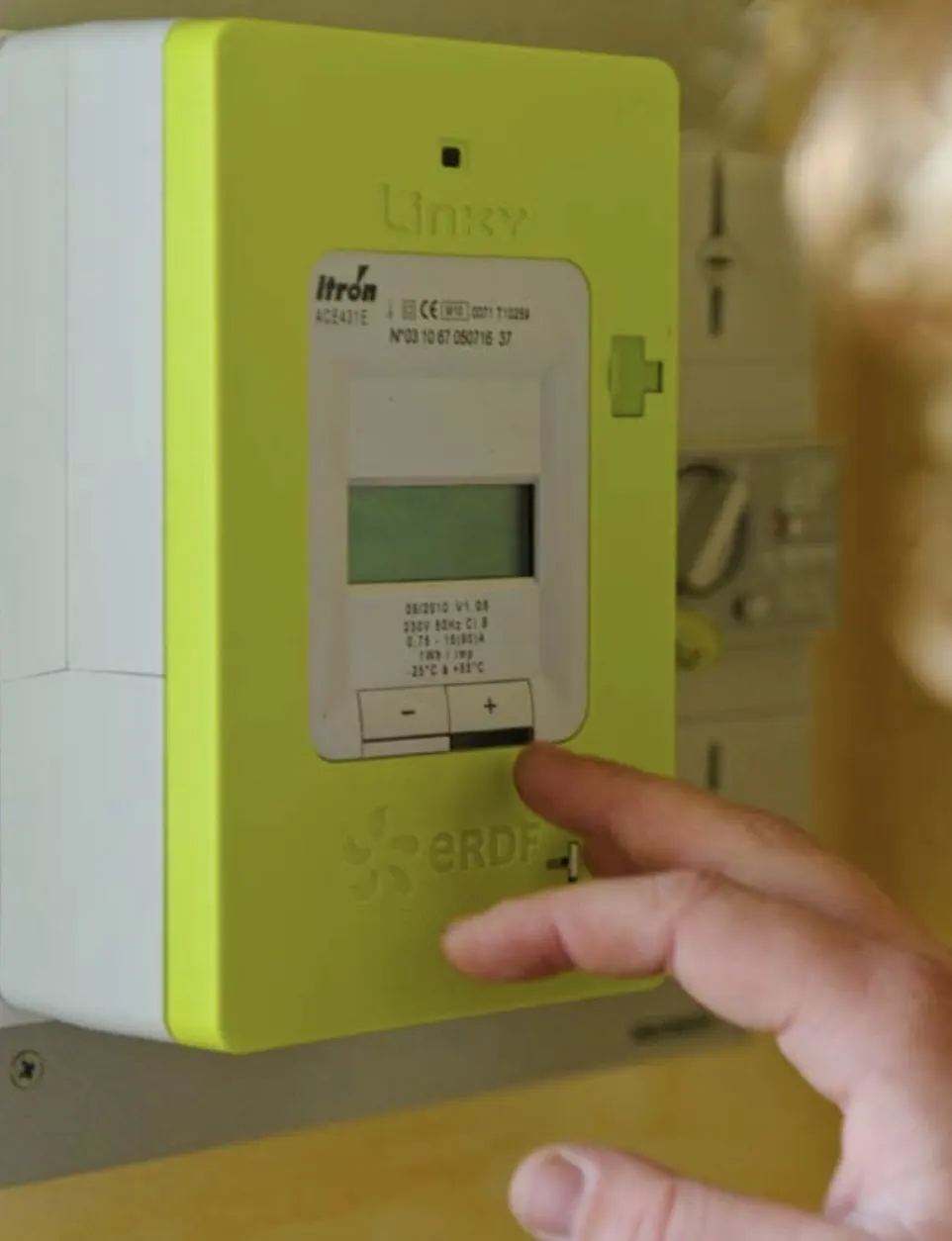
France's energy regulator, the CRE, has overhauled how red days are chosen for EDF's Tempo option, after last winter's backlash. The changes apply from Sunday, November 1, and the CRE announced them in a statement on October 22, following a public consultation launched in May.
About 900,000 subscribers face 22 red days between November 1 and March 31. On those days the kilowatt-hour costs €0.7295 at peak hours, since the August 1, 2026 increase. In return, outside red days Tempo is cheaper than the Base option, billed at €0.2001 per kWh for a 6 kVA contract.
A new selection method
Last winter, December 31 was classified red, and 13 red days followed one another at the end of March, although the grid was not under particular strain. The CRE acknowledges that the method, based on forecast "residual consumption" (demand to be met by dispatchable generation, excluding wind and solar), did not distribute red days satisfactorily.
RTE will now draw red days the same way as the "peak days" of the capacity mechanism. Last winter, only 8 of the 15 peak days RTE identified were also red, according to Selectra's count. The new method imposes a monthly pace in cumulative red days: at most 3 by the end of November, exactly 6 by the end of December, 13 to 19 by the end of January, 20 to 22 by the end of February, and 22 by the end of March.
RTE's simulations over the last four winters show 94% efficiency in targeting the tightest days, versus 95% for the old method. But it would never have required more than 3 "catch-up" red days, against 13 last March. The 43 white days remain drawn by the updated current algorithm.
Holidays excluded, more notice later
December 24 and 31 are excluded from red days, even if demand runs high. The CRE says neither date would have been picked over the last four winters under the new method. If the grid is strained, RTE can fall back on the Ecowatt alert system.
Starting in winter 2027-2028, RTE will announce red days two days ahead when possible, instead of the day before at 10:30 a.m. This winter, notice stays the same while RTE and suppliers adapt their systems. The change also affects some alternative suppliers' offers, which rely on RTE's Tempo signal.
More from this day
See all →
Scentronic: Ohio State's Electronic Nose Shares Smells Remotely

SEC Warns Prediction Markets Over Insider Trading Risks

Anchorpoint Brings HKDAP Stablecoin to Solana Ahead of Retail Push

Sam Altman: Home PC RAM Is Wasted and Belongs in AI Servers
More in: Business
See all →
South Korea Lawmakers Press for AI Data Center Power Rules
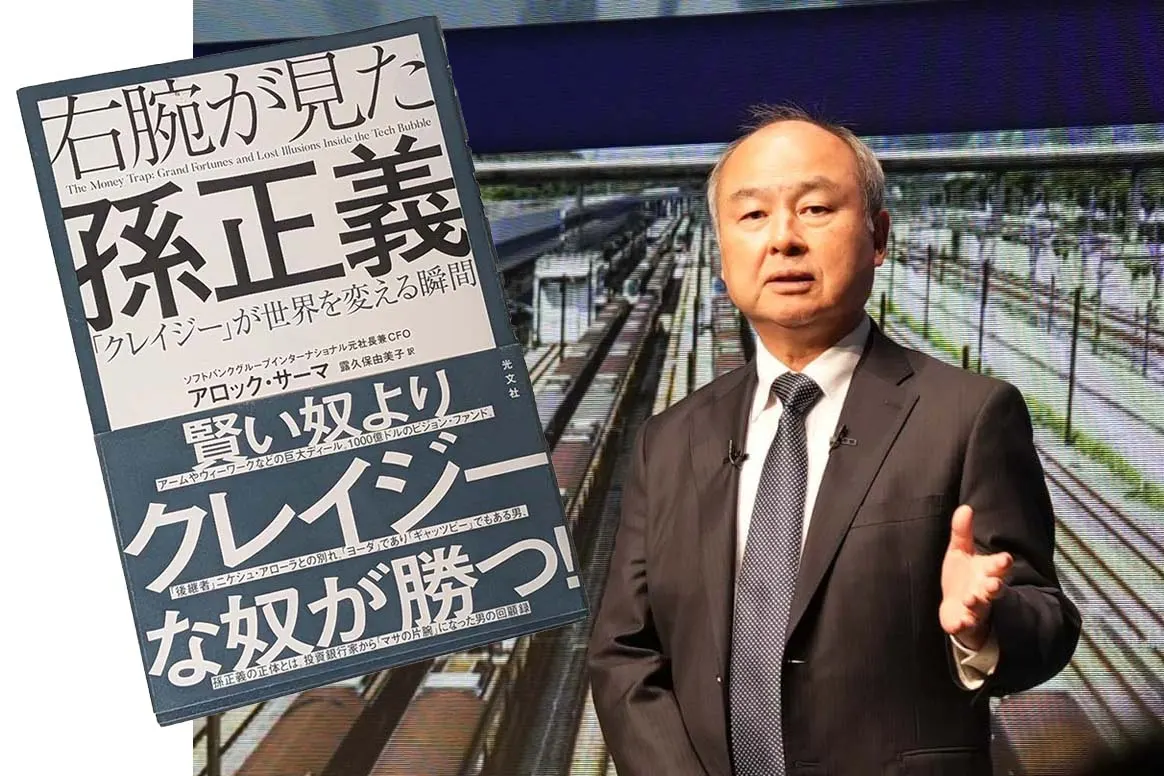
Ex-SoftBank CFO Alok Sharma's Memoir Gives Inside View of Masayoshi Son

France's Assembly Backs 5.5-Cent Per-Gigabyte Tax on Streaming