South Korea Lawmakers Press for AI Data Center Power Rules
A Korean lawmaker wants base electricity charges and a grid code tailored to AI data centers, while other figures expose the cost of regional tariffs and unanswered AI risk reports.
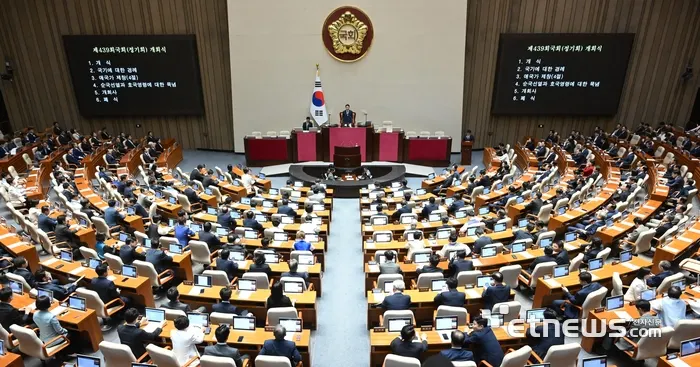
Democratic Party lawmaker Eo Gi-gu has called on South Korea's government to rework how base electricity charges are calculated for AI data centers and to finalize a grid code, the technical standard for connecting to the power network, as soon as possible.
Eo noted that data centers raise their power consumption in stages as they install servers and win customers. He argued that billing based on initial peak demand deserves consideration. He also said operators should be held to their stated operating schedules, with clear responsibility when secured capacity sits idle for long periods, so that companies cannot reserve grid capacity early and pass the costs on to others. On the grid code the government hopes to prepare this year, he urged clarity on which facilities it covers, when it takes effect and what grace period applies to existing projects, in order to reduce investment uncertainty.
Regional industrial tariff shifts costs to private generators
A separate analysis points to the price of cutting industrial power bills. People Power Party lawmaker Park Su-min used Korea Power Exchange data to estimate that the planned regional industrial tariff would reduce the annual revenue of 17 private power producers outside the capital region by about 6.6 billion won. The scheme funds lower tariffs by cutting the wholesale price in those regions by 10.6 won per kWh. State-owned generators linked to KEPCO would be affected less, because lower purchasing costs offset lost sales revenue. Park asked for disclosure of how the burden is split and for transitional measures for existing operators.
Few AI companies answer user risk reports
A government platform for reporting generative AI risks, such as personal data exposure and drug misuse, is also drawing scrutiny. Data submitted by the media and communications regulator to Democratic Party lawmaker Han Jun-ho show 387 reports from January to September. Of the 218 forwarded to companies, only 53 received a reply, a response rate of 24.3%. The other 165, or 75.7%, went unanswered. Han said the accumulated reports should be analyzed and used to improve services and user protection.
Together, the proposals show Korean lawmakers turning to the practical side of the AI boom: who pays for power, how grid access is allocated and whether companies respond when users flag problems.
More from this day
See all →
Scentronic: Ohio State's Electronic Nose Shares Smells Remotely

SEC Warns Prediction Markets Over Insider Trading Risks

Anchorpoint Brings HKDAP Stablecoin to Solana Ahead of Retail Push

Sam Altman: Home PC RAM Is Wasted and Belongs in AI Servers
More in: Business
See all →
EDF Tempo: New Rules Spare Christmas Eve and New Year's Eve
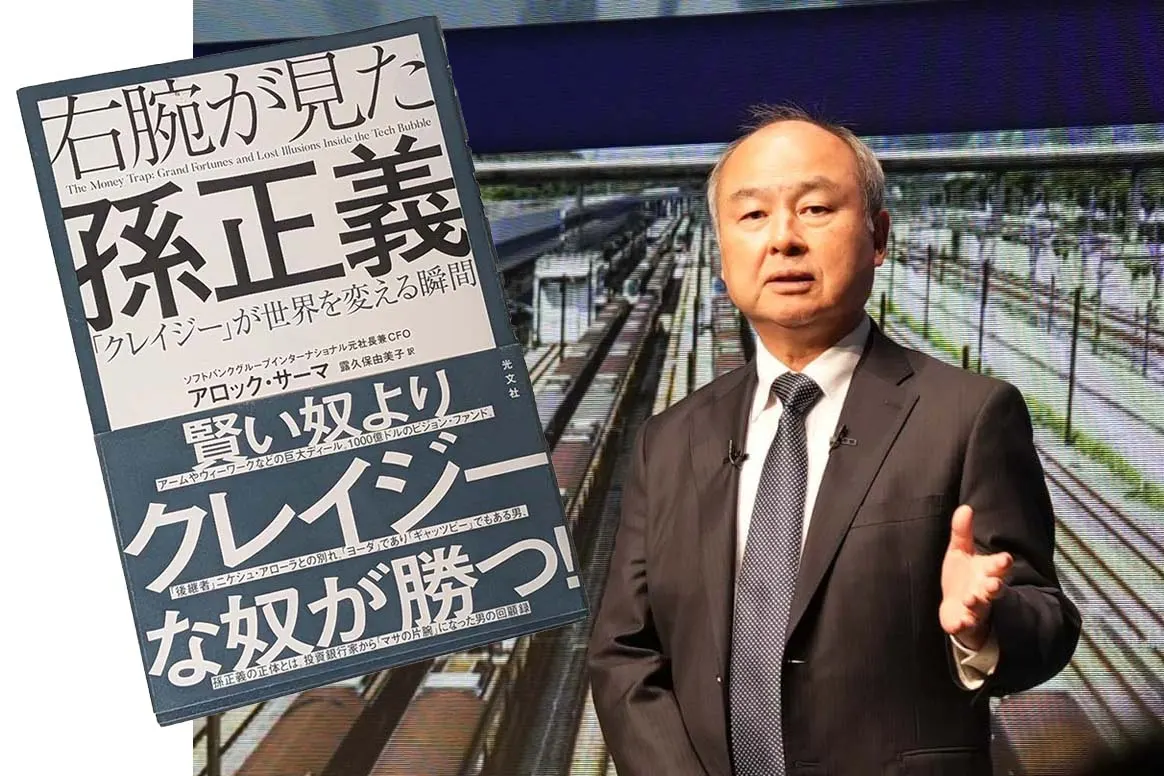
Ex-SoftBank CFO Alok Sharma's Memoir Gives Inside View of Masayoshi Son

France's Assembly Backs 5.5-Cent Per-Gigabyte Tax on Streaming