India Clears ₹2,814 Cr Scheme for Lithium and Nickel Processing
India's Union Cabinet has approved a ₹2,814 crore capex scheme to build two lithium and two nickel processing plants, aiming to cut import dependence on critical minerals.
 SUMO· the number puzzle
 Dialo· learn languages by speaking
 ediviewer· read EDI files like documents
 giftdetect· the right gift in minutes
India's Union Cabinet has approved the Capex Support Scheme to Promote Critical Mineral Processing, with a financial outlay of ₹2,814 crore over five years, from FY27 to FY31. The programme is meant to reduce the country's reliance on imported critical minerals.
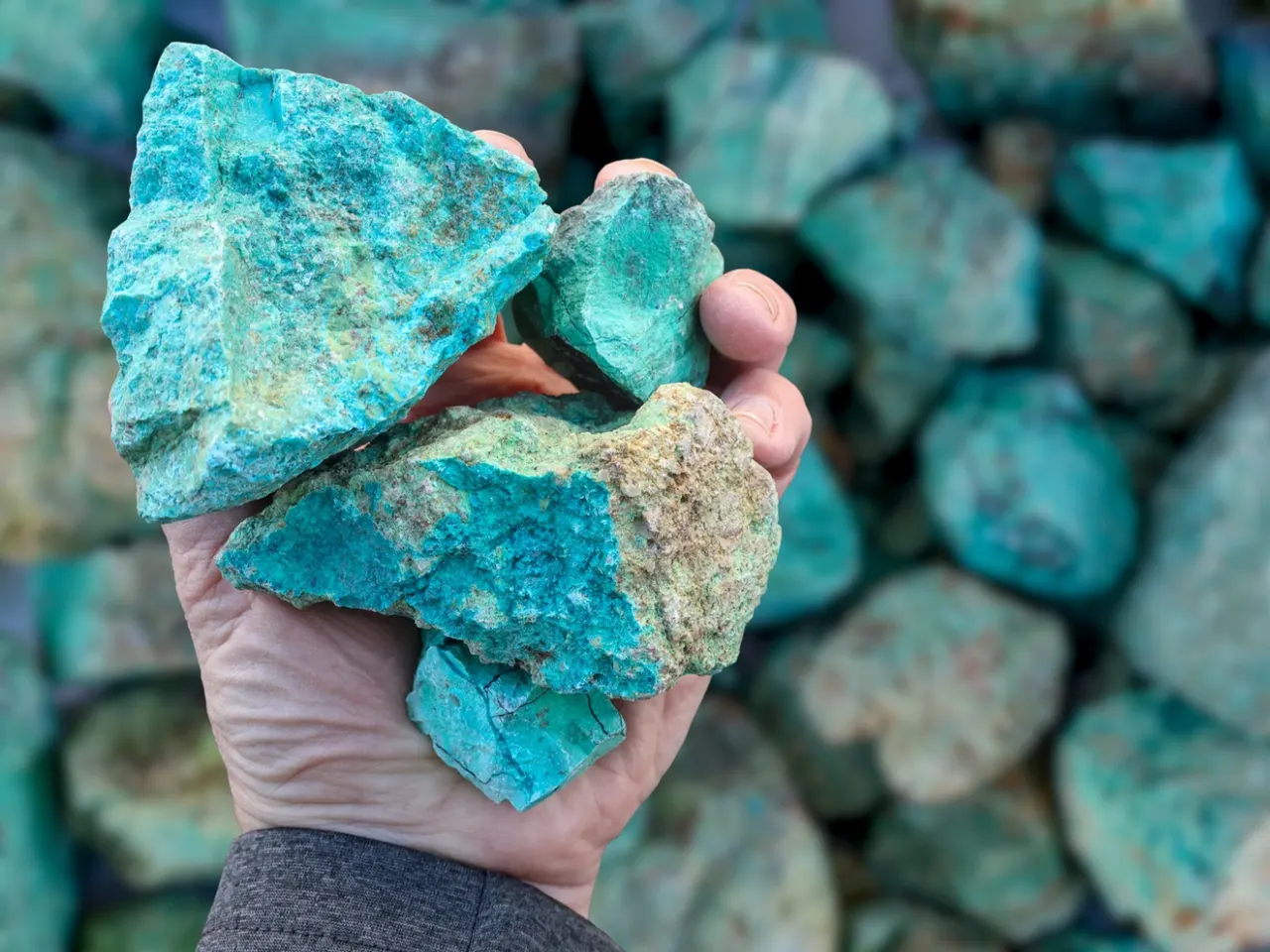
The money will fund four plants: two for lithium and two for nickel. According to the government, the units will turn ores or intermediate products into high-purity compounds, and cobalt is expected to be recovered as a by-product of nickel production.
How the subsidy works
Beneficiaries will receive milestone-linked capital subsidies covering 30% of eligible investment, subject to thresholds. For lithium, support is capped at ₹500 crore per beneficiary, and each plant must have a minimum capacity of 30 kilo-tonnes. For nickel, the cap is ₹900 crore per beneficiary, with a minimum capacity of 50 kilo-tonnes per plant.
Applicants will be chosen in two stages: a technical assessment first, then financial bidding. Selection follows a least-cost criterion, so qualified bidders asking for the lowest capex support win. Incentives will be paid in three tranches tied to milestones rather than upfront.
Why it matters
The government says critical mineral processing is concentrated in a handful of global locations, which leaves supply chains exposed to geopolitical disruption, price volatility and possible restrictions. India is currently 100% import-dependent for raw and refined forms of many critical minerals, including lithium, cobalt and nickel.
By focusing on processing rather than mining alone, the scheme aims to keep more value in India. The resulting capacity is expected to serve electric mobility, battery energy storage systems, electronics, defence and speciality steel.
The road ahead is not simple, as beneficiaries will also have to secure raw materials and processing capabilities. This is the second such scheme in a year: in December 2025, the Cabinet cleared a ₹1,500 crore incentive scheme to build at least 270 kilotons of annual recycling capacity for critical minerals.
Apps worth a look
SUMO: the number puzzleTap the right tiles, add them up, hit the target. Easy to learn, hard to master. Free, for all ages.
Dialo: learn languages by speakingTalk to an AI conversation partner; every sentence comes back corrected and explained in your language. 9 languages, A1 to C2.
ediviewer: read EDI files like documentsOpen EDIFACT and X12 messages, see every segment explained, convert to JSON/XML, export PDF and Excel. Runs locally, no upload.
giftdetect: the right gift in minutesPick who it is for, the occasion and their personality. The search engine reads product descriptions from local shops and ranks what fits. Free, no sign-up.
More from this day
See all →

More in: Business
See all →
Beget Restores Hosting After Cyberattack, Backups Due in 5 Days

Apple Cuts Employees' Daily AI Tool Budgets to Rein In Costs
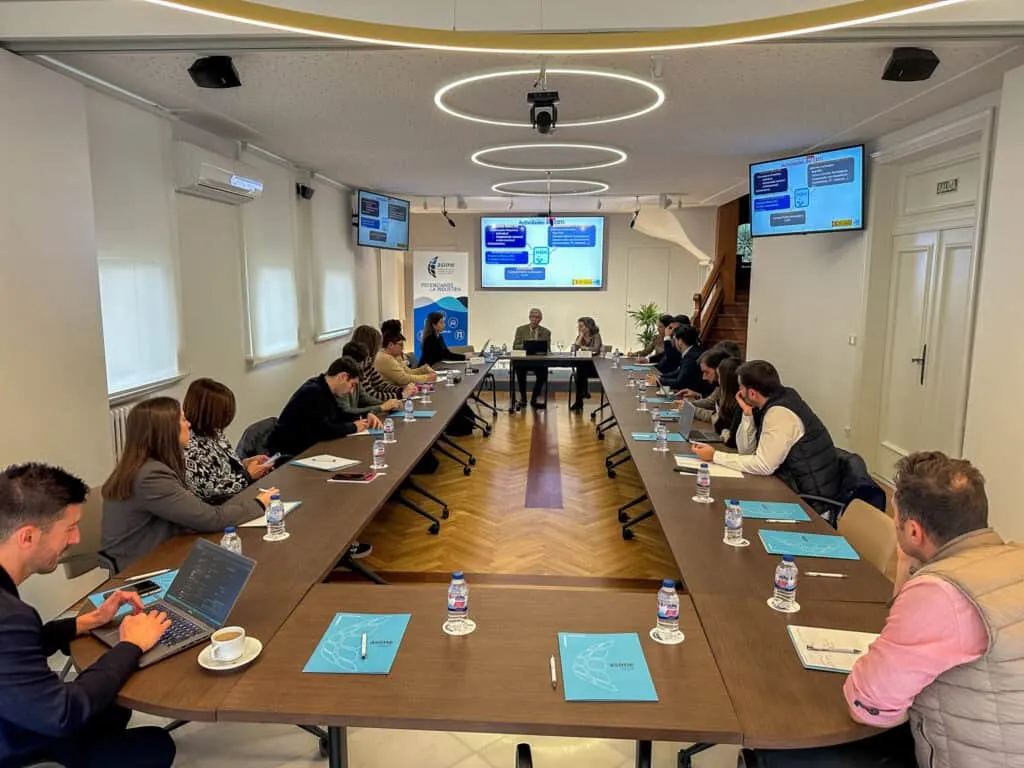
CDTI Innovación approves €12.75 million for 19 new R&D projects