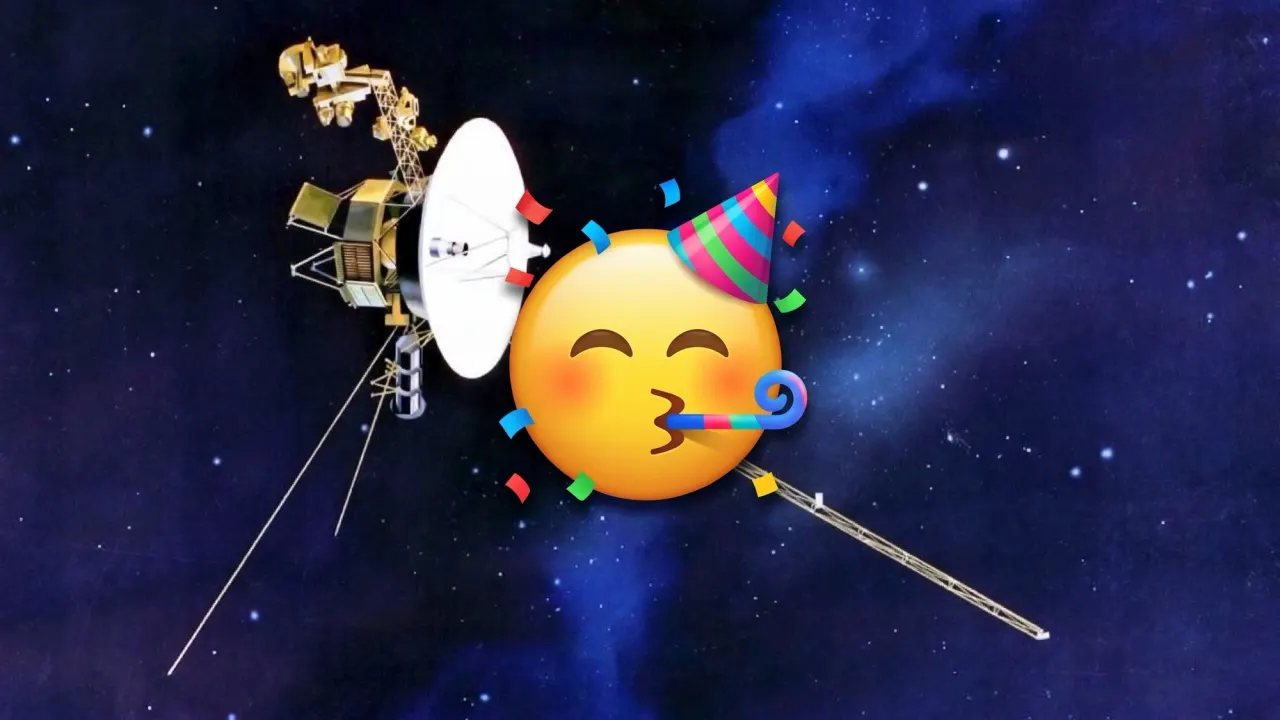
Astra robot builds a structure in orbit on its own, a first
Caltech's Astra robot has assembled part of a 1.4-metre antenna in orbit with no human hands. It works a bit like K'Nex, only in space.
 SUMO· the number puzzle
 Dialo· learn languages by speaking
 ediviewer· read EDI files like documents
 giftdetect· the right gift in minutes
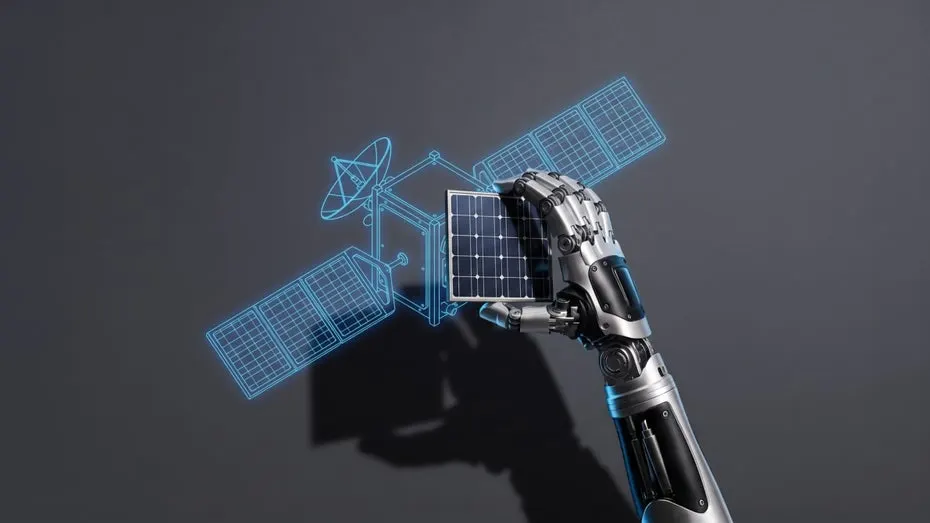
A robot has built something in space without anyone guiding it. Caltech's Astra, funded by the US research agency Darpa, assembled the first section of a reflector antenna in orbit. It is the first time this has been done autonomously, according to Sergio Pellegrino, an aerospace professor at Caltech and chief scientist at NASA's Jet Propulsion Laboratory.
Astra launched at the end of March 2026 as part of Darpa's Nom4d project. The goal was a reflector antenna 1.4 metres across, made from composite tubes and aluminium connectors, which the robot would then cover with reflective foil. Darpa compares the approach to a high-tech version of K'Nex or Tinkertoy. Automating the assembly, it says, is anything but child's play.
The team ran out of time and managed only the first section of the antenna. Astra's mission ends in December 2026, so the antenna is unlikely to be finished. Even so, the demonstration is meant to have shown that the assembly concept works.
Why build structures in space with robots?
Today there are two options for big structures such as solar sails or habitats. You fold them up on the ground, or you pack them as separate parts and put them together by hand later. Robot assembly could become a third route.
Pellegrino says the test opens new research directions. Possible uses include huge mirrors for more powerful space telescopes and the base for solar power plants in orbit.
What happens next with Nom4d?
The Caltech researchers now want to simplify and refine the design. Darpa's Nom4d manager Andrew Detor says the aim is efficient, scalable construction of very large structures in space. By that he means hundreds of metres or even kilometres. Nothing currently comes close to that, he says.
Apps worth a look
SUMO: the number puzzleTap the right tiles, add them up, hit the target. Easy to learn, hard to master. Free, for all ages.
Dialo: learn languages by speakingTalk to an AI conversation partner; every sentence comes back corrected and explained in your language. 9 languages, A1 to C2.
ediviewer: read EDI files like documentsOpen EDIFACT and X12 messages, see every segment explained, convert to JSON/XML, export PDF and Excel. Runs locally, no upload.
giftdetect: the right gift in minutesPick who it is for, the occasion and their personality. The search engine reads product descriptions from local shops and ranks what fits. Free, no sign-up.
More from this day
See all →
Can you still refuse a Linky meter? What the EU ruling means

New peanut worm species found in Japan's deep sea has saw-toothed hooks

TikTok's For You feed breaks EU rules, Commission says

United Airlines bans outside AI agents from booking flights
More in: Space
See all →
Did comets bring life's building blocks to Earth? Probably not

TOI-2535 b: the Jupiter-sized exoplanet that vanished from TESS
Starlink Mini 2 Adds a Removable Battery for Off-Grid Internet