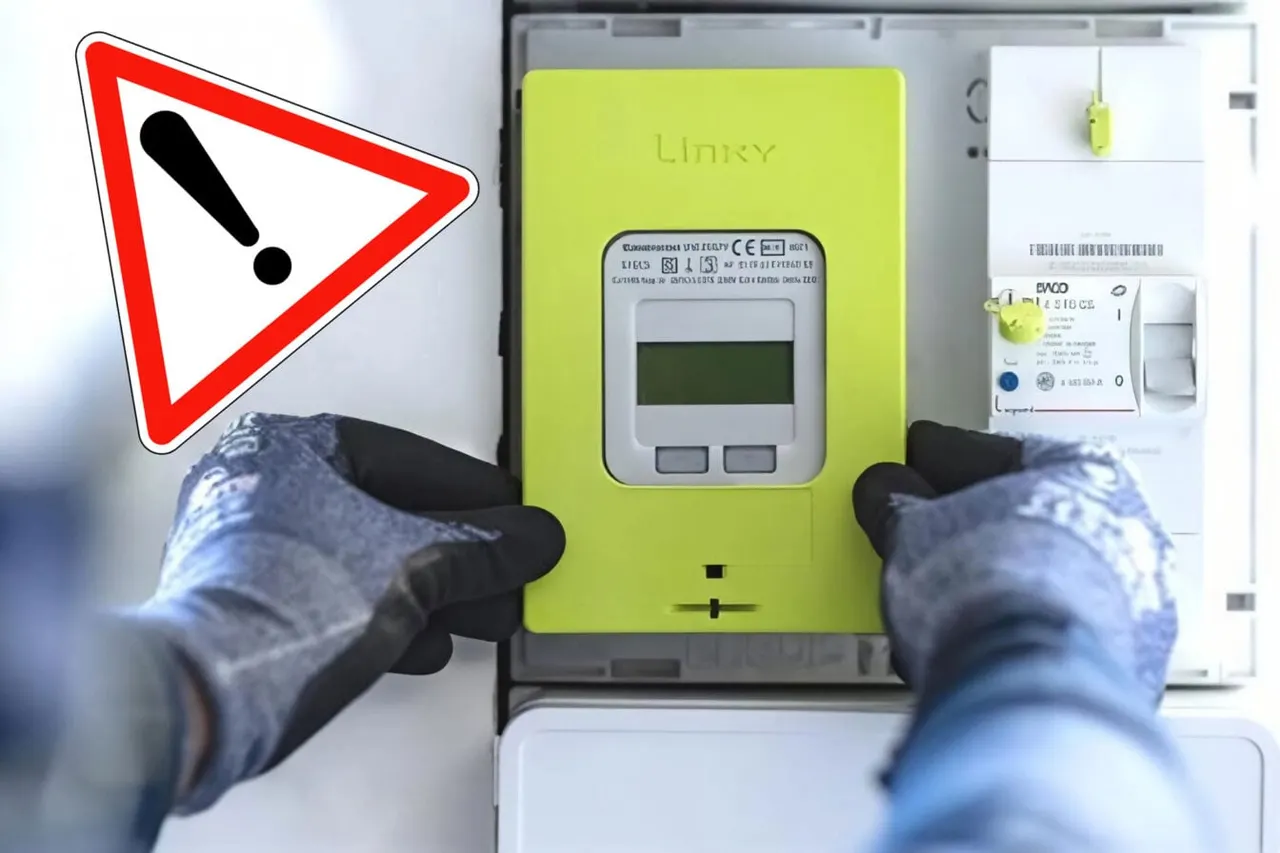
Can you still refuse a Linky meter? What the EU ruling means
The EU's top court says you have no right to keep your old electricity meter. In France, refusing a Linky can still cost up to 65.70 euros a year before VAT.
 SUMO· the number puzzle
 Dialo· learn languages by speaking
 ediviewer· read EDI files like documents
 giftdetect· the right gift in minutes
Can you still refuse a Linky smart meter? Europe's highest court has just made it harder to argue that you can. In a ruling on 5 November, the Court of Justice of the European Union said a network operator "is not obliged to comply with the wish of a final customer" who doesn't want a smart meter.
The case comes from Austria. A customer refused to let her local grid operator swap her mechanical meter for a digital one, citing data protection and electromagnetic waves. The calibration of her old meter had expired at the end of 2023. The court didn't settle the dispute itself, which goes back to Austrian judges, but its reading of EU law binds every member state, France included.
The 2019 EU electricity directive pushes smart meters hard and gives consumers the right to ask for one. It doesn't give them the right to keep a classic model in all circumstances.
Does the ruling change anything for Linky in France?
Not much. French energy law already hands meter installation and replacement to the network operators, and the national energy ombudsman says customers can't object to a replacement. France's Court of Cassation sided with Enedis against two reluctant customers in April 2025. What opponents lose is one argument: a right supposedly guaranteed by EU law. Enedis says it has installed 38.7 million Linky meters, more than 95% of the homes it serves.
In practice, refusal is still possible when the meter is inside the home, since the technician can't enter without the occupant's consent. But it costs money. Since 1 August 2026, households without a Linky by their own choice pay 6.68 euros before VAT every two months, or 40.08 euros a year, even if they send in readings. If no meter reading has been supplied for over a year, another 4.27 euros every two months applies. That brings the bill to 65.70 euros a year before VAT, close to 80 euros with it. The charges pause once you book an installation appointment, until the meter is fitted.
Is your consumption data protected?
The court also tackled the privacy argument. It ruled that the ePrivacy directive, the one that covers cookies, doesn't apply to a power grid, which mainly distributes energy rather than providing communication services. Consumption data is still covered by the GDPR, whose requirements "must necessarily be respected".
In France, the data protection authority CNIL already oversees this. By default, Enedis only collects daily consumption. Hourly or half-hourly readings, which can reveal when you get up, go to bed or are away, need your consent, apart from occasional network needs. Sharing them with a supplier or third party also needs your consent, and you can switch collection on or off at any time from your Enedis customer account.
Apps worth a look
SUMO: the number puzzleTap the right tiles, add them up, hit the target. Easy to learn, hard to master. Free, for all ages.
Dialo: learn languages by speakingTalk to an AI conversation partner; every sentence comes back corrected and explained in your language. 9 languages, A1 to C2.
ediviewer: read EDI files like documentsOpen EDIFACT and X12 messages, see every segment explained, convert to JSON/XML, export PDF and Excel. Runs locally, no upload.
giftdetect: the right gift in minutesPick who it is for, the occasion and their personality. The search engine reads product descriptions from local shops and ranks what fits. Free, no sign-up.
More from this day
See all →
Foncier Innovant: France's AI tool that spots your garden shed

New peanut worm species found in Japan's deep sea has saw-toothed hooks
TikTok's For You feed breaks EU rules, Commission says