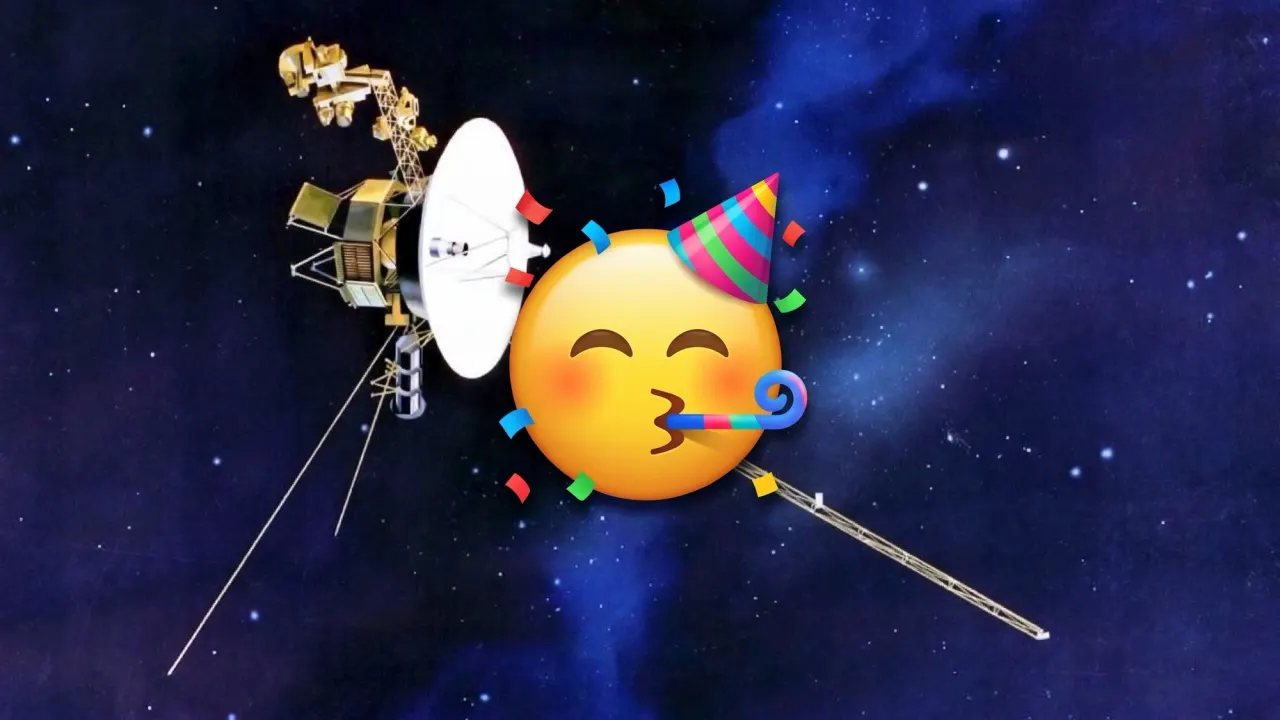
Voyager 1 Is About to Reach One Light-Day From Earth
On 18 November, NASA's Voyager 1 will be one light-day from Earth, about 25.9 billion km away, 49 years after launch. Its power is running low.
 SUMO· the number puzzle
 Dialo· learn languages by speaking
 ediviewer· read EDI files like documents
 giftdetect· the right gift in minutes
NASA's Voyager 1 will reach a historic milestone on 18 November at 11:18 Polish time: a distance of one light-day from Earth. Light needs a full day to cover that gap, which works out to roughly 25.902 billion kilometres.
The probe needed 49 years to get there. For comparison, a person walking at 4.83 km/h would need about 612,000 years. Voyager 1 now travels at a constant 60,000 km/h, a speed it reached in 1980 after a gravity assist from Saturn.
Fading power, delayed signals
Talking to the spacecraft is hard. A radio signal takes 24 hours to reach Voyager 1 and another 24 to come back, so engineers must work patiently to keep its systems running.
The probe is powered by three radioisotope thermoelectric generators, nuclear batteries that convert heat from the decay of plutonium-238 into electricity. At launch they delivered about 470 W; today the figure is around 215 W. They lose roughly 4 W per year, so NASA has to ration energy carefully. Eight of the ten science instruments installed at launch have already been switched off, leaving two active.
According to NASA forecasts, Voyager 1 will have to shut down its last science instrument in the 2030s. A more serious problem could come in 2036, when the power reserve may be too small to maintain radio contact with Earth. That would probably end the decades-long mission, although the probe itself will keep travelling through interstellar space.
A mission of firsts
Voyager 1 launched on 5 September 1977 from Cape Canaveral in Florida, only days after its twin, Voyager 2. It flew past Jupiter in March 1979 and Saturn in November 1980, sending back thousands of images, including the discovery of active volcanoes on Jupiter's moon Io. On 25 August 2012 it crossed the heliopause, becoming the first human-made object to enter interstellar space.
Onboard is also the Golden Record, a gold-plated copper disc about 30 cm across. It holds 115 images, greetings in 55 languages, sounds of Earth and about 90 minutes of music, from Bach, Beethoven and Mozart to Chuck Berry, plus messages from US President Jimmy Carter and UN Secretary-General Kurt Waldheim. Instructions on the casing explain how to play it and locate Earth relative to selected pulsars.
Apps worth a look
SUMO: the number puzzleTap the right tiles, add them up, hit the target. Easy to learn, hard to master. Free, for all ages.
Dialo: learn languages by speakingTalk to an AI conversation partner; every sentence comes back corrected and explained in your language. 9 languages, A1 to C2.
ediviewer: read EDI files like documentsOpen EDIFACT and X12 messages, see every segment explained, convert to JSON/XML, export PDF and Excel. Runs locally, no upload.
giftdetect: the right gift in minutesPick who it is for, the occasion and their personality. The search engine reads product descriptions from local shops and ranks what fits. Free, no sign-up.
More from this day
See all →
Google AI Studio Adds Google Maps for Prompt-Built Apps

Swan: Nicolas Benady Steps Back, Camille Tyan Takes the Helm
XYZ Shows Physical AI Built on Field Data at NVIDIA AI Day Seoul

Jeonnam-Gwangju Regional Growth Fund Closes at 131.3 Billion Won
More in: Space
See all →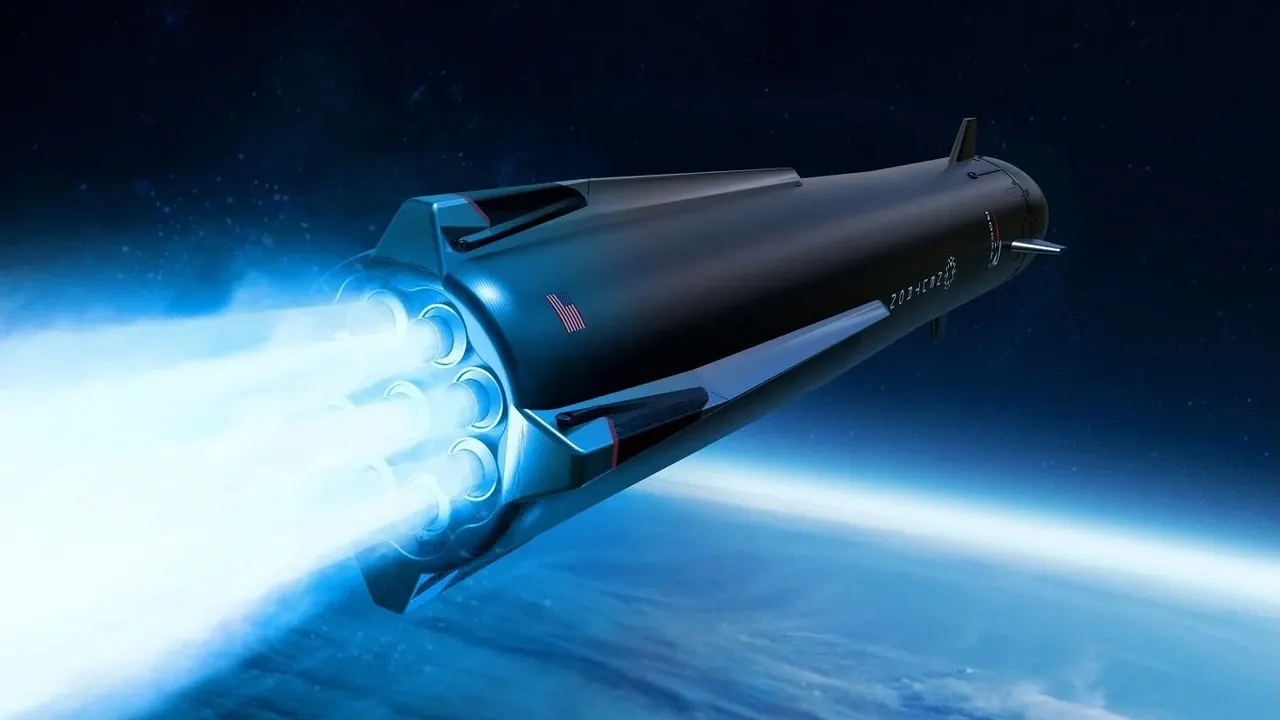
Rocket Lab Raises Neutron Launch Price From $55M to $70M
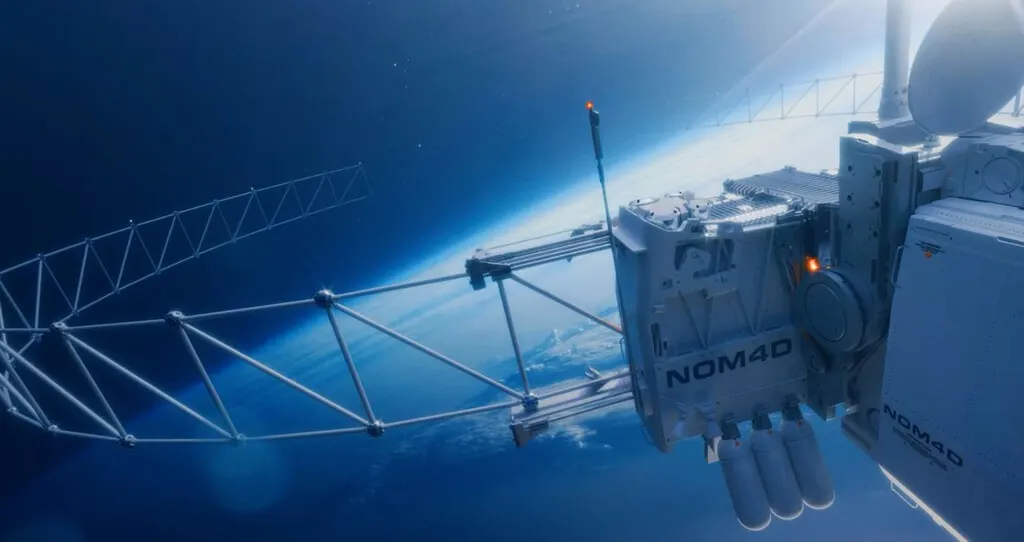
Caltech's ASTRA Robot Builds Antenna Module Autonomously in Orbit
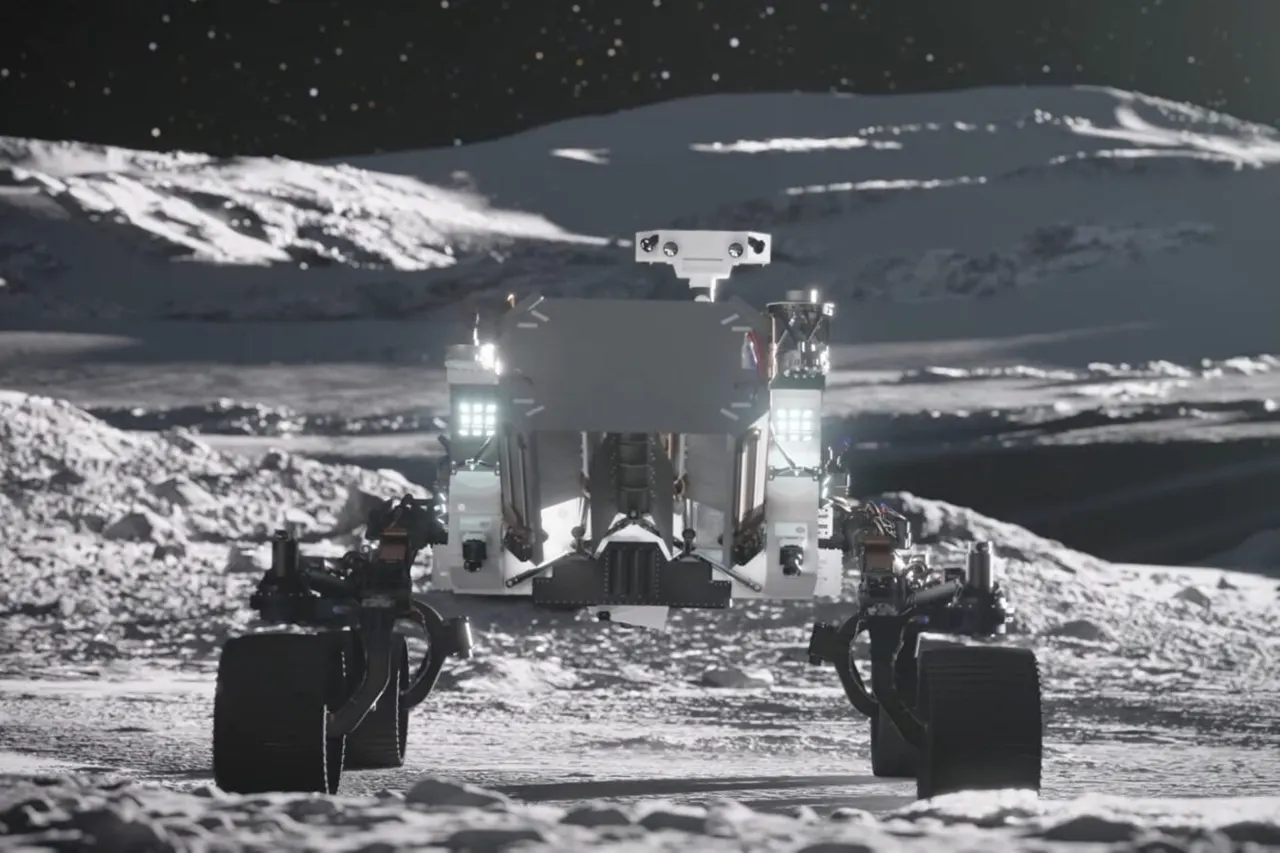
NASA's PROMISE Rover Will Run on Nuclear Power at Moon's South Pole