NASA's PROMISE Rover Will Run on Nuclear Power at Moon's South Pole
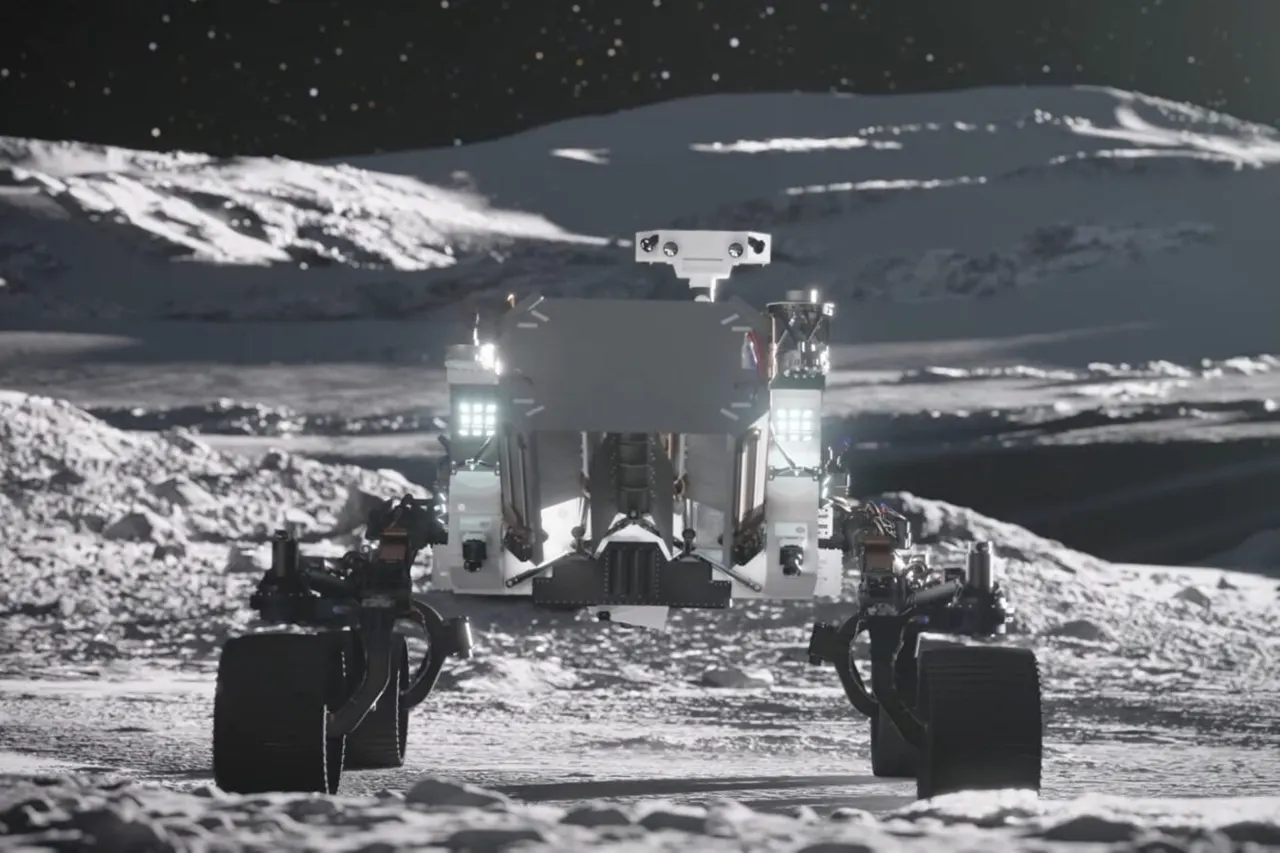
NASA has detailed PROMISE, a six-wheeled nuclear-powered rover built from Mars spare parts, set to drill for water ice at the lunar south pole from late 2028.
 SUMO· the number puzzle
 Dialo· learn languages by speaking
 ediviewer· read EDI files like documents
 giftdetect· the right gift in minutes
NASA has confirmed PROMISE, a six-wheeled rover powered by a nuclear generator, for a mission to the Moon's south pole starting in late 2028. The agency detailed the project on 7 November from Kennedy Space Center. The rover is expected to operate for 18 months and drill into the ground to take stock of resources for the planned lunar base.
Built from Mars spares
The vehicle will be assembled at the Jet Propulsion Laboratory from spare flight parts and test models of Curiosity and Perseverance. Its name stands for a polar rover for observation, mapping and in-situ exploration. It carries spectrometers, cameras, temperature and radiation sensors, a drill able to penetrate regolith to a depth of one metre, and a hardened onboard computer designed for autonomous navigation.
NASA has not named the power source model. The generators on Curiosity and Perseverance give a sense of scale: 4.8 kg of plutonium-238 dioxide produce about 110 watts of electricity at launch, for at least 14 years of service. Waste heat also keeps instruments warm. There is no chain reaction and no moving parts: decay heat becomes electricity whether or not the Sun is up, which matters at the pole, where nights last 14 Earth days and some craters never see direct sunlight.
Blue Origin will deliver the rover aboard its Mark 1 lander under a $94 million contract, with a performance option that could take it to $140 million.
Lessons from VIPER
The choice answers the fate of VIPER, a solar-and-battery rover meant to map south pole water ice. NASA cancelled it on 17 July 2024 after about $450 million had been spent, then revived it in September 2025 with Blue Origin, now targeting a 2027 landing. Its plan was capped at roughly 100 Earth days, whereas PROMISE is meant to last 18 months, lunar nights included.
The announcement comes amid a wave of contracts for the Moon Base programme, which aims for an operational base by 2032. Eight companies, including SpaceX and Blue Origin, will share up to $10 billion in lunar deliveries over ten years, and $1.3 billion in launch orders has already been allocated.
ESA's Argonaut lander is not expected before 2030 on an Ariane 64 and will first test lunar-night survival technology. The water ice map PROMISE produces will therefore weigh on where the base is placed. Water means oxygen and propellant that no one has to launch from Earth.
Apps worth a look
SUMO: the number puzzleTap the right tiles, add them up, hit the target. Easy to learn, hard to master. Free, for all ages.
Dialo: learn languages by speakingTalk to an AI conversation partner; every sentence comes back corrected and explained in your language. 9 languages, A1 to C2.
ediviewer: read EDI files like documentsOpen EDIFACT and X12 messages, see every segment explained, convert to JSON/XML, export PDF and Excel. Runs locally, no upload.
giftdetect: the right gift in minutesPick who it is for, the occasion and their personality. The search engine reads product descriptions from local shops and ranks what fits. Free, no sign-up.
More from this day
See all →
Copper Withdraws ADGM License to Focus on US and Switzerland

Stake RWA Wins Full VARA Broker-Dealer License in Dubai

Mercedes Adds Offline In-Car AI Assistant Built With Liquid AI

OpenAI Unveils Control Room, a 35-Second Kill Switch for AI
More in: Space
See all →
Starlink Mini 2 Adds Swappable Battery for 4.5 Hours Off-Grid
Bureau 1440 Tests Satellite Terminal on Nuclear Icebreaker Ural
NASA Opens $10 Billion Moon Base Contracts to SpaceX, Blue Origin
