NASA CHAPEA 2 Crew Exits 3D-Printed Mars Habitat After 378 Days
Four volunteers left NASA's simulated Mars habitat in Houston on 31 October 2026 after 378 days with no windows and delayed communications. NASA has yet to publish results.

 SUMO· the number puzzle
 Dialo· learn languages by speaking
 ediviewer· read EDI files like documents
 giftdetect· the right gift in minutes
Four volunteers have walked out of NASA's 3D-printed Mars simulation in Houston after 378 days inside. The crew of CHAPEA 2 left the habitat on 31 October 2026, completing the second of the agency's year-long missions, which began in 2023.
The crew consists of Matthew Montgomery, James Spicer, Ross Elder and Ellen Ellis. Like the first team, they played the roles of commander, flight engineer, medical officer and science officer. They entered on 19 October 2025 and spent the year maintaining equipment, growing food and carrying out simulated spacewalks meant to show how people will cope outside their shelter on Mars.
A habitat with no windows
The habitat covers about 158 square meters and has no windows. Communications were delayed by 22 minutes in both missions to mimic the real distance to Mars. CHAPEA 1 ran from 25 June 2023 to 6 July 2024.
The new element this time was a simulated communications blackout lasting two weeks. It tested whether the crew could solve problems on their own, without instructions from a control center. They also had to ration limited supplies and live under stress in a confined space with people they had not known beforehand, which may carry psychological effects that researchers want to study.
How it compares
The earlier HI-SEAS project in Hawaii (2015–2016), funded by NASA, used a smaller habitat of around 110 square meters with six crew members. CHAPEA puts more emphasis on astronaut autonomy. Neither project beats Russia's Mars-500, in which six volunteers spent 520 days isolated, though that experiment simulated the flight to Mars rather than a stay on the surface.
What comes next
NASA says it will use the findings to prepare crews for Mars and also for future lunar bases. However, the agency has not published results from either CHAPEA mission. So far there are only some statements from project scientists, with nothing on what was actually learned.
Apps worth a look
SUMO: the number puzzleTap the right tiles, add them up, hit the target. Easy to learn, hard to master. Free, for all ages.
Dialo: learn languages by speakingTalk to an AI conversation partner; every sentence comes back corrected and explained in your language. 9 languages, A1 to C2.
ediviewer: read EDI files like documentsOpen EDIFACT and X12 messages, see every segment explained, convert to JSON/XML, export PDF and Excel. Runs locally, no upload.
giftdetect: the right gift in minutesPick who it is for, the occasion and their personality. The search engine reads product descriptions from local shops and ranks what fits. Free, no sign-up.
More from this day
See all →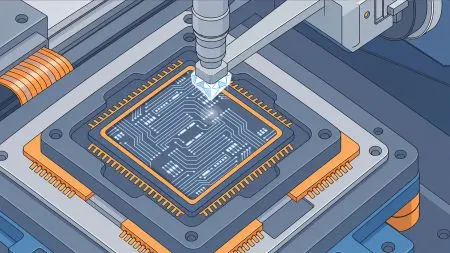
QuantumDiamonds: Munich Start-up Uses Diamond Sensors to Find Chip Defects

Parloa Deepens OpenAI Partnership With Early Model Access
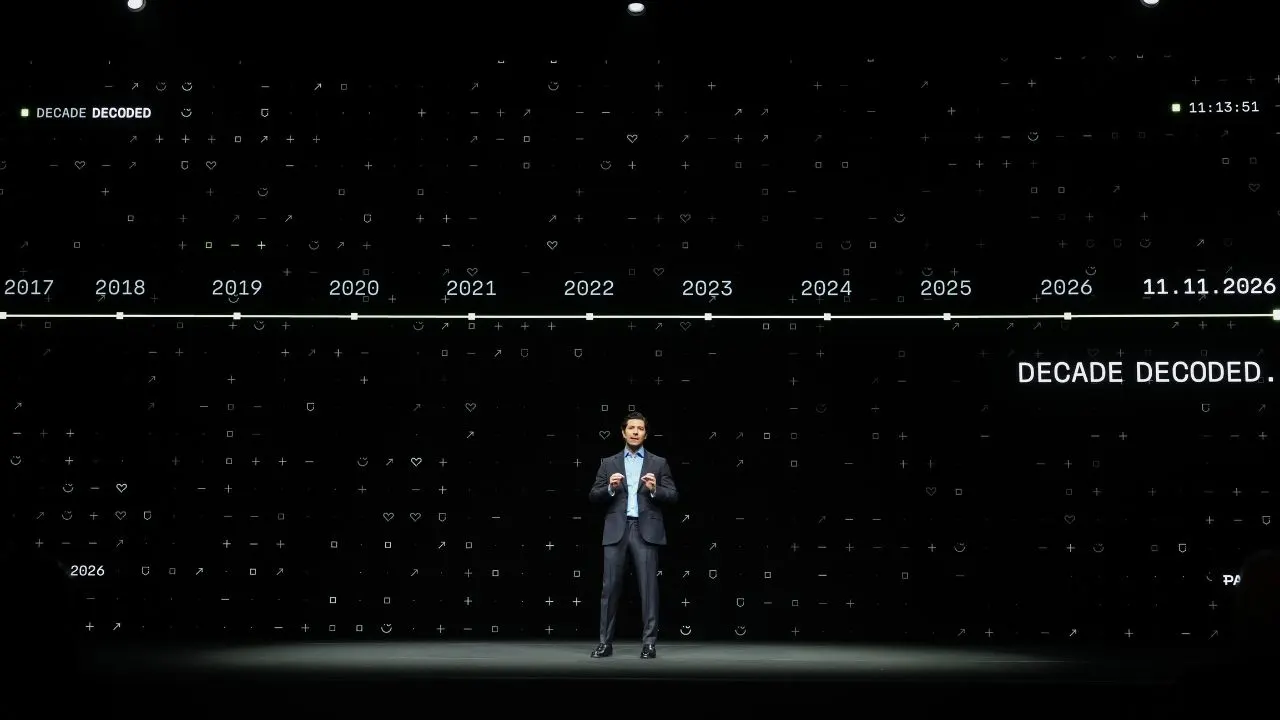
Paribu Unveils Intelligence AI and Free Terminal at 10-Year Event
Meta Launches Muse Ember, Its Smallest AI Model, for Agents
More in: Space
See all →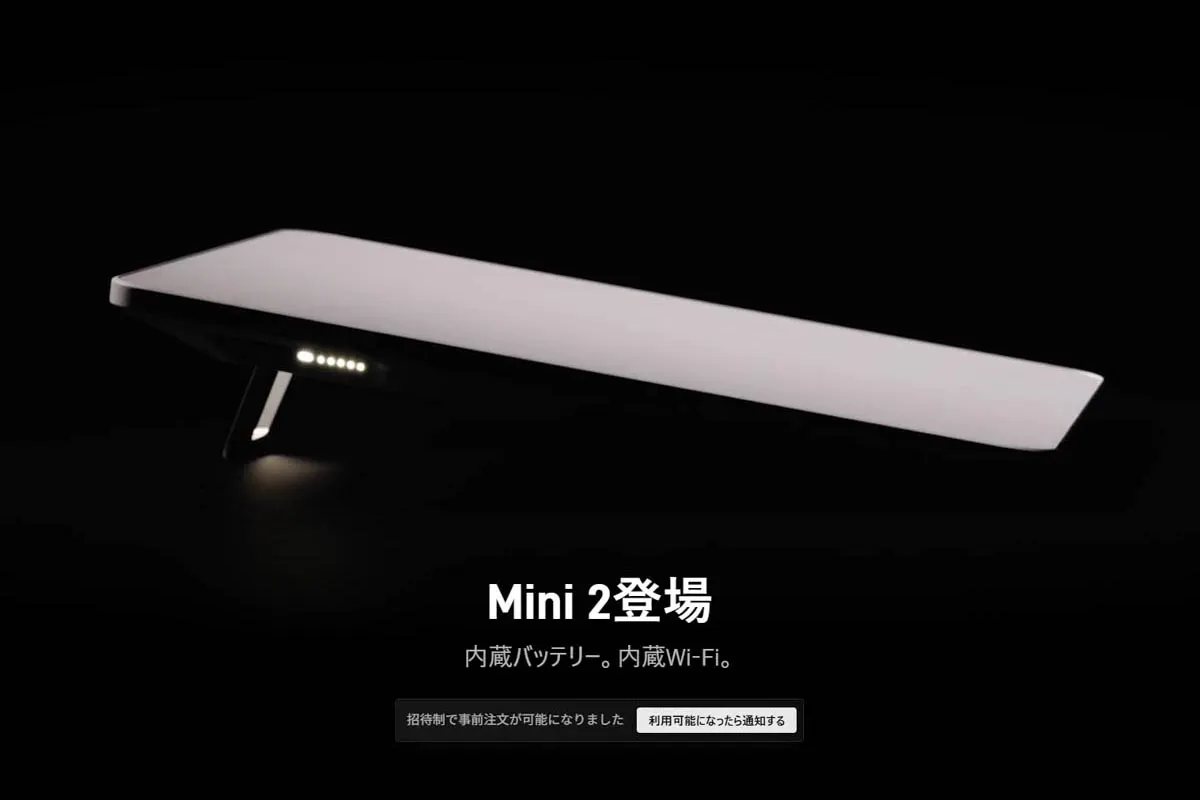
Starlink Mini 2 Adds Swappable Battery for 4.5 Hours Off-Grid

Bureau 1440 Tests Satellite Terminal on Nuclear Icebreaker Ural
NASA Opens $10 Billion Moon Base Contracts to SpaceX, Blue Origin
