Uranus and Neptune's Odd Magnetic Fields Explained by New Study
Extreme pressure and temperature deep inside Uranus and Neptune may boost electrical conductivity and shape their lopsided magnetic fields, a new simulation study finds.

 SUMO· the number puzzle
 Dialo· learn languages by speaking
 ediviewer· read EDI files like documents
 giftdetect· the right gift in minutes
Scientists may have found why the magnetic fields of Uranus and Neptune are so lopsided. A new study points to extreme conditions deep inside the two ice giants that raise the electrical conductivity of their interiors and strengthen the dynamo effect.
Voyager 2, the only spacecraft to visit either planet, flew past Uranus in January 1986 and Neptune in August 1989. It found that Uranus' magnetic field is offset from its rotational axis by 59 degrees and is not centered on the core, sitting about two-thirds of the way out. Neptune's field is disordered, tilted by 47 degrees and centered halfway between the core and the visible cloud tops. Earth's stable field is tilted by just 11 degrees.
Not a collision
Uranus is tilted by 97 degrees, possibly after a collision with a long-lost Earth-sized planet. But Neptune's field is skewed too, with no such impact, so the cause is likely intrinsic to ice giants.
The U.S.-UK team ran computer simulations based on Voyager 2 data. Uranus and Neptune hold ammonia, hydrogen, helium, methane and water around a probable rocky core, and have 14.5 and 17 times Earth's mass. "Deep inside Uranus and Neptune, pressures and temperatures become extremely high," said lead researcher Chi Yan of the University of Texas at Austin. Water molecules can break into ions, so the material "may become increasingly electrically conductive with depth." With that assumption, the simulations reproduced both planets' odd fields.
The models also suggest the fields can change within decades. "Earth's magnetic tilt drifts by only a degree or so over 50 years," Yan said, while on the ice giants the tilt can swing by tens of degrees in some stretches.
Testing the model
Tom Stallard of Northumbria University, a co-author, leads James Webb Space Telescope observations of faint infrared auroras on both planets. Because auroras trace the magnetic field, combining them with Voyager 2 data and the simulations could show how the fields look today compared with the 1980s, a test of the model.
A definitive answer will need a new mission. NASA has prioritized a return to Uranus in the early 2040s, and China's Tianwen-4, launching to Jupiter in 2029, will send a small probe on to Uranus via a gravitational slingshot. The findings appeared on 3 November in Communications Physics.
Apps worth a look
SUMO: the number puzzleTap the right tiles, add them up, hit the target. Easy to learn, hard to master. Free, for all ages.
Dialo: learn languages by speakingTalk to an AI conversation partner; every sentence comes back corrected and explained in your language. 9 languages, A1 to C2.
ediviewer: read EDI files like documentsOpen EDIFACT and X12 messages, see every segment explained, convert to JSON/XML, export PDF and Excel. Runs locally, no upload.
giftdetect: the right gift in minutesPick who it is for, the occasion and their personality. The search engine reads product descriptions from local shops and ranks what fits. Free, no sign-up.
More from this day
See all →
QuantumDiamonds: Munich Start-up Uses Diamond Sensors to Find Chip Defects

Parloa Deepens OpenAI Partnership With Early Model Access
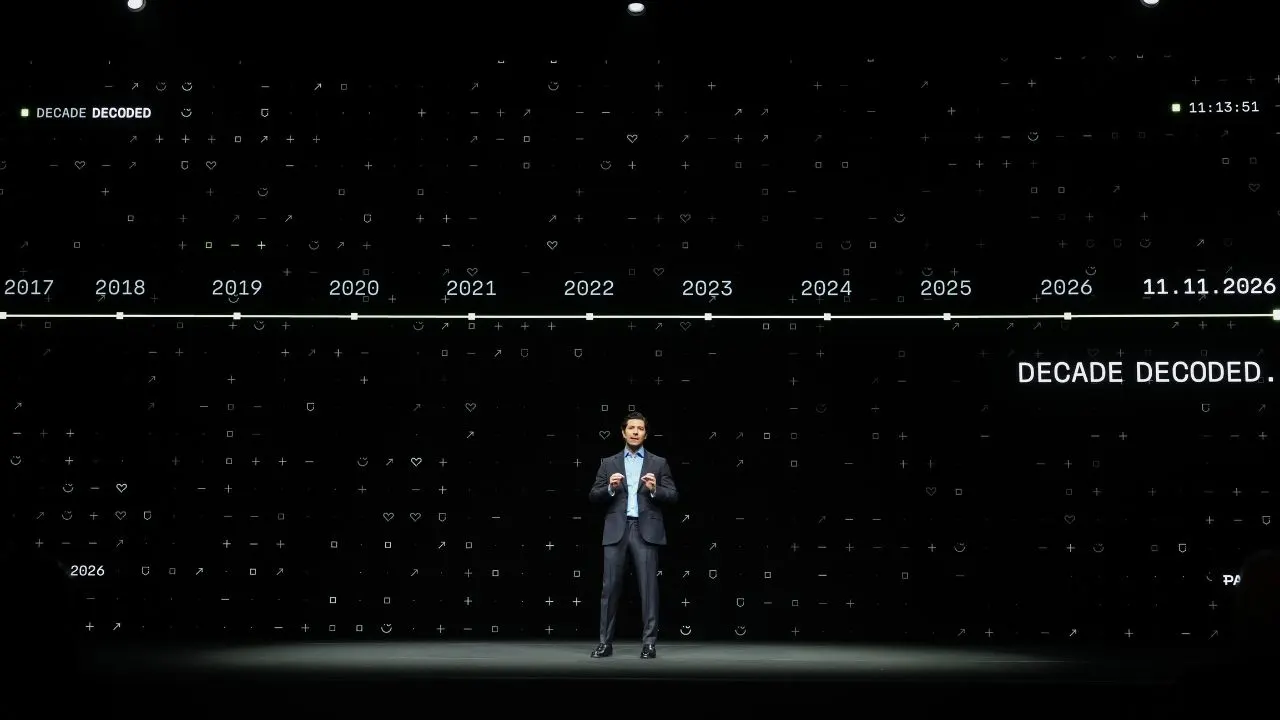
Paribu Unveils Intelligence AI and Free Terminal at 10-Year Event
Meta Launches Muse Ember, Its Smallest AI Model, for Agents
More in: Space
See all →
Starlink Mini 2 Adds Swappable Battery for 4.5 Hours Off-Grid
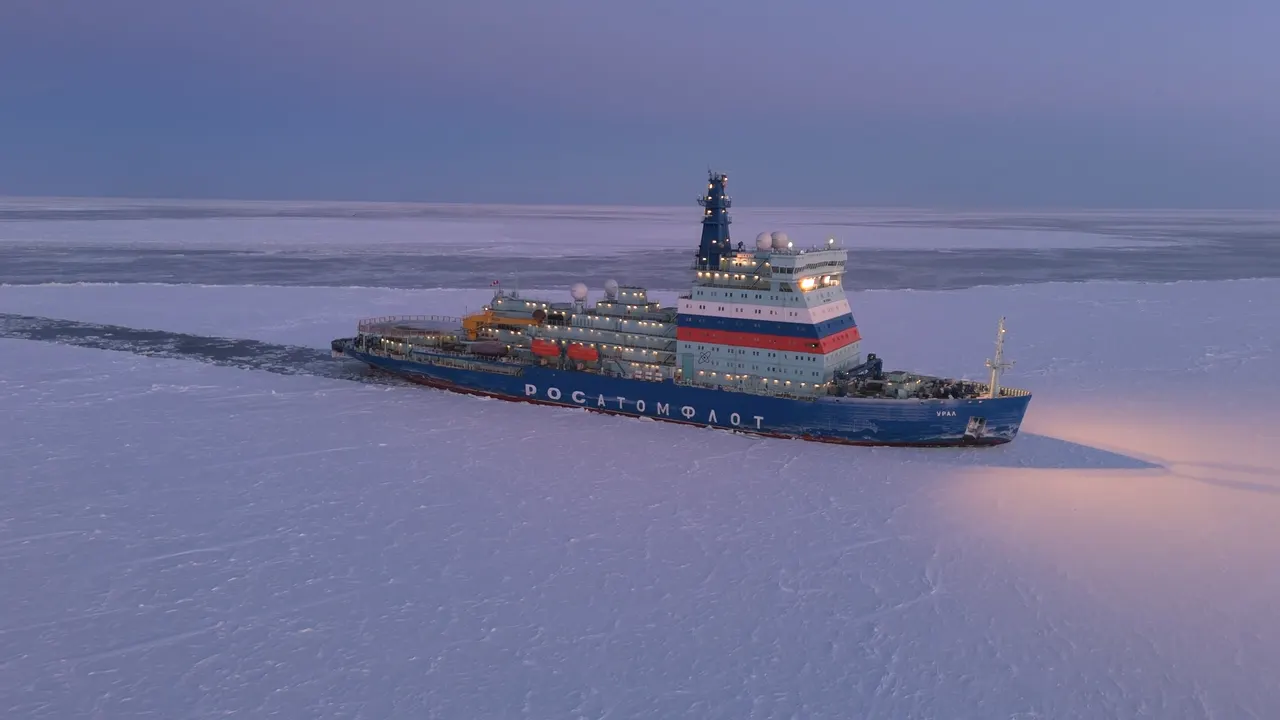
Bureau 1440 Tests Satellite Terminal on Nuclear Icebreaker Ural
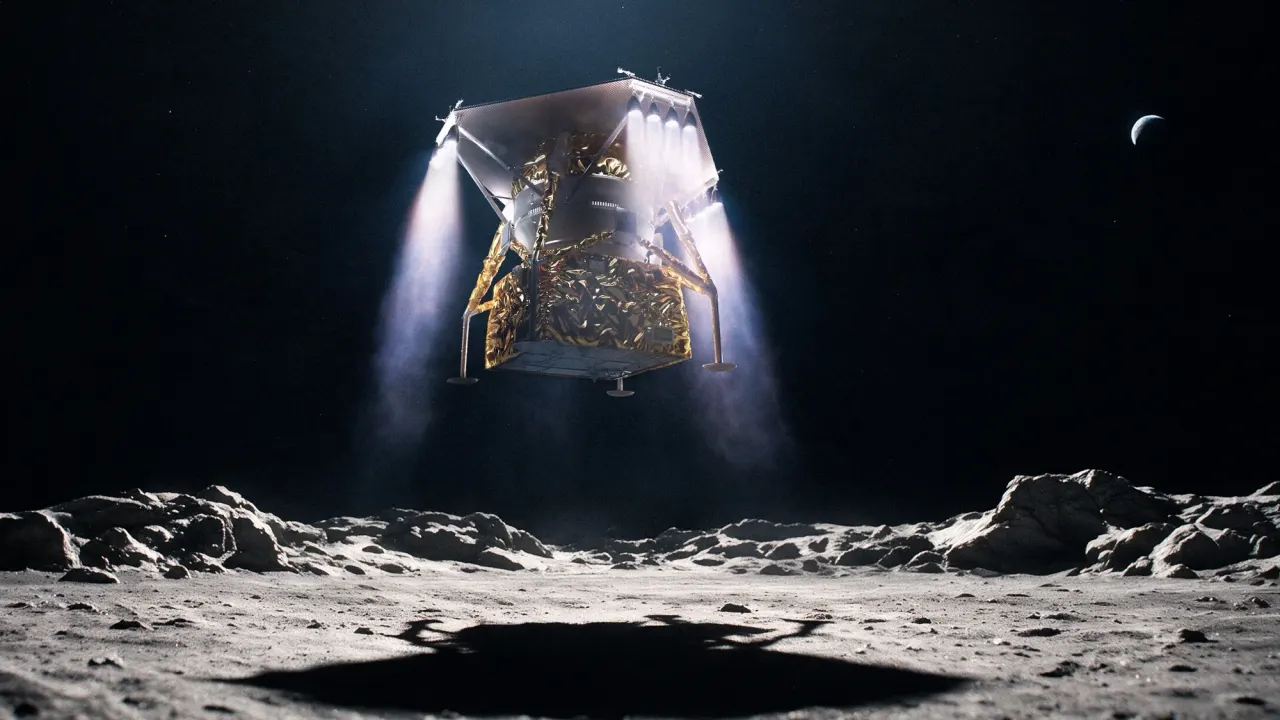
NASA Opens $10 Billion Moon Base Contracts to SpaceX, Blue Origin
