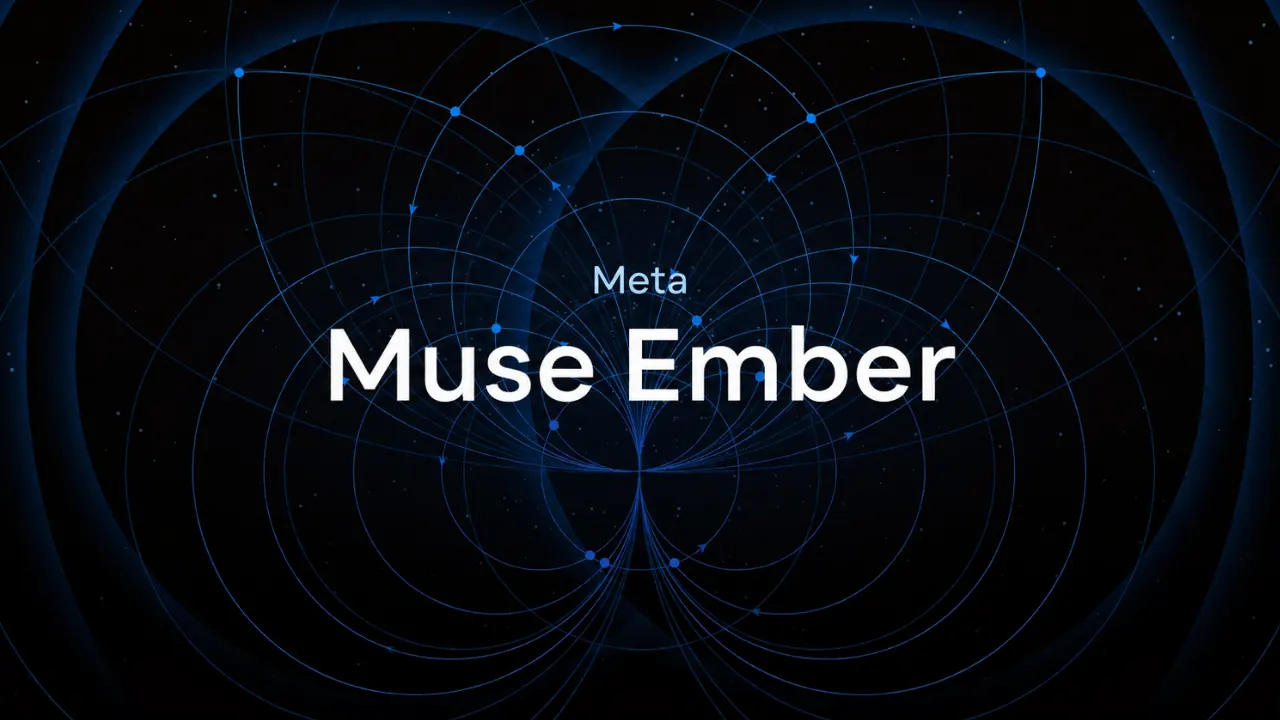
Meta Launches Muse Ember, Its Smallest AI Model, for Agents
Meta Superintelligence Labs has released Muse Ember, its smallest model yet, built for the repetitive steps AI agents run in a workflow, from $0.10 per million input tokens.
 SUMO· the number puzzle
 Dialo· learn languages by speaking
 ediviewer· read EDI files like documents
 giftdetect· the right gift in minutes
Meta Superintelligence Labs has introduced Muse Ember, the company's smallest model to date, designed for the tasks AI agents perform again and again inside a workflow. These include pulling records from a database, classifying customer requests, extracting specific details from long documents and completing small coding tasks in software projects. Developers can use it through the Meta Model API and Muse Code.
A large model plans, Ember executes
Meta says Ember can work alongside larger models such as Muse Wonder or Muse Spark. In a customer support system, for example, Muse Wonder could define the conditions under which refunds are approved. Ember would then apply those rules to thousands of requests, check order records and route cases that need human review to the right team. When every request involves several operations, even a small difference in cost per call affects the total bill.
Ember accepts text, images, audio, video and PDFs as input and produces text. An agent can therefore pull a payment date from a scanned invoice or list action items from a meeting recording without a separate model. Its context window is about 1 million tokens, enough to review a large document collection or a codebase in one request, while a single response is capped at roughly 524,000 tokens.
Pricing and benchmarks
For requests up to 200,000 input tokens, Meta charges $0.10 per million input tokens and $0.50 per million output tokens. Above that threshold, prices rise to $0.30 and $1.50. In a comparison based on Artificial Analysis data, Ember's cost per task was $0.14, against $2.39 for Muse Spark 1.3, while the two scored 36 and 37 on the same overall performance index.
Results depend on the task. On AutomationBench-AA, which measures multi-step business workflows, Ember reached 37.8%, ahead of OpenAI's GPT-6 Luna at 20.2% and Anthropic's Claude Haiku 5.5 at 13.9%. On FrontierCode 2.0-AA, which assesses whether code changes are good enough to merge into a project, Claude Haiku 5.5 scored 34.9% and beat Ember's 27.2%.
Ember is the fourth model in the Muse family, after Muse Spark in April, Muse Glimmer in August and Muse Wonder in October. According to Meta, it is the first model trained using the larger Muse Wonder Full.
Apps worth a look
SUMO: the number puzzleTap the right tiles, add them up, hit the target. Easy to learn, hard to master. Free, for all ages.
Dialo: learn languages by speakingTalk to an AI conversation partner; every sentence comes back corrected and explained in your language. 9 languages, A1 to C2.
ediviewer: read EDI files like documentsOpen EDIFACT and X12 messages, see every segment explained, convert to JSON/XML, export PDF and Excel. Runs locally, no upload.
giftdetect: the right gift in minutesPick who it is for, the occasion and their personality. The search engine reads product descriptions from local shops and ranks what fits. Free, no sign-up.
More from this day
See all →
QuantumDiamonds: Munich Start-up Uses Diamond Sensors to Find Chip Defects

Parloa Deepens OpenAI Partnership With Early Model Access
Paribu Unveils Intelligence AI and Free Terminal at 10-Year Event

Oura to Acquire AI Health Startup Counsel Health for $625M
More in: AI
See all →
OpenAI launches Businesses beta to let firms claim ChatGPT profiles
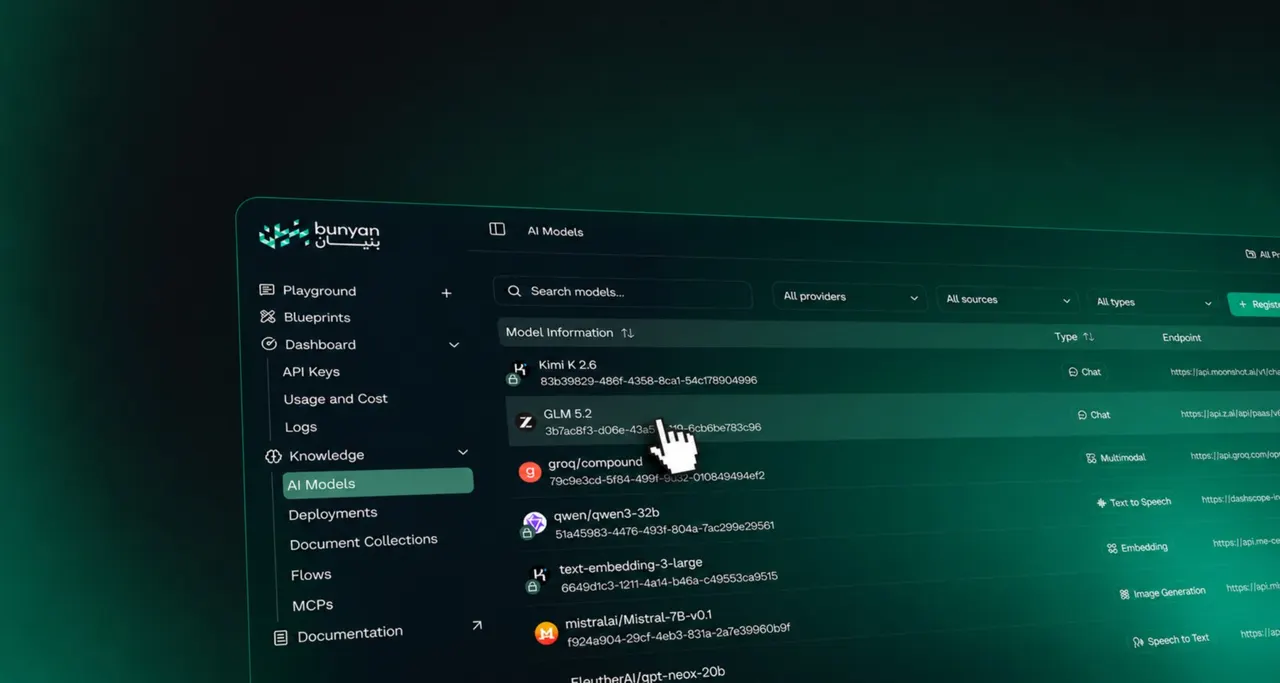
OmniOps Launches Bunyan Inference Hub for AI Models in Saudi Arabia
MBZUAI Releases PAN 2, an Open-Source World Simulation Model