Rocket Lab Raises Neutron Launch Price From $55M to $70M
Rocket Lab has lifted the price of a Neutron launch by more than 25% to $70 million, citing strong demand as a launch bottleneck looms around 2028.
 SUMO· the number puzzle
 Dialo· learn languages by speaking
 ediviewer· read EDI files like documents
 giftdetect· the right gift in minutes
Rocket Lab has raised the price of a Neutron launch from $55 million to $70 million, an increase of more than 25%, for a rocket that is not due to debut until 2027. CEO Peter Beck announced the change on Monday (Nov. 9) during the company's third-quarter earnings call.
"Launch is extremely constrained, and that is exactly the situation we predicted," Beck said. Rather than offer early discounted flights, he explained, the company set out to bring a rocket to market "at full price or higher" in a period of extreme demand.
Eight new bookings, first 16 flights sold out
Rocket Lab booked eight Neutron launches in the third quarter, which ran from July 1 through Sept. 30. According to Beck, the contracts are worth roughly $515 million in total, including multiple missions at the new base price of $70 million. The first 16 Neutron launches are now sold out, and further bookings will be for flights in the 2030s.
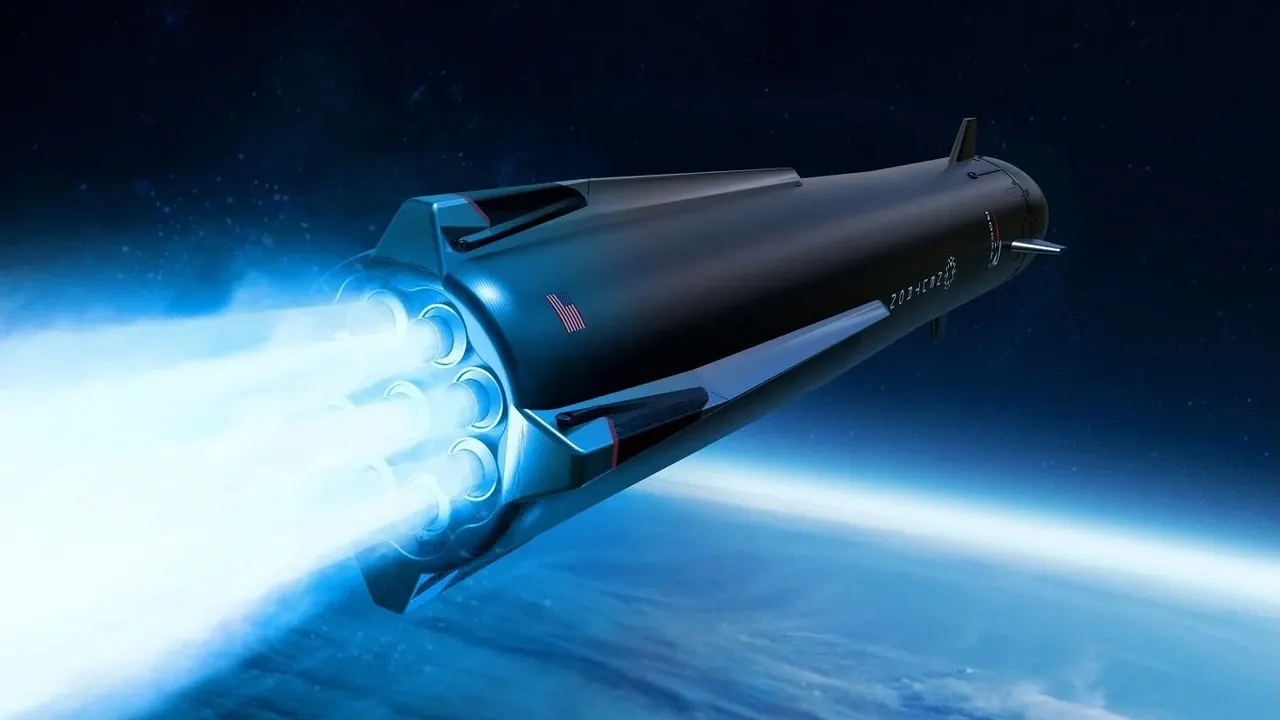
Neutron is a medium-lift rocket with a reusable first stage. It stands 141 feet (43 meters) tall and can carry 14.3 tons (13 metric tons) to low Earth orbit. Announced in 2021, it was first targeted for a 2024 debut. Last month Rocket Lab pushed the first flight from late 2026 into 2027 because of a manufacturing issue, which the company says is now under control.
The Falcon 9 factor
The demand reflects a squeeze expected around 2028, when SpaceX plans to retire Falcon 9 and Falcon Heavy and move its launch work to Starship. SpaceX currently charges $74 million per Falcon 9 launch; the rocket carries about 25 tons (22.7 metric tons) to low Earth orbit and flew 165 times in 2025, all successfully.
Many in the industry worry that Starship capacity will not be available to outside customers for some time, since early operations are geared toward SpaceX's own Starlink V3 and Starmind constellations. Musk has said Starlink V3 alone will need about 100,000 satellites.
Beck expects the shift to lift demand for Electron too. The small-satellite launcher has flown 90 orbital missions, and as Falcon 9 rideshare opportunities dry up, "the next logical alternative is of course an Electron," he said.
Apps worth a look
SUMO: the number puzzleTap the right tiles, add them up, hit the target. Easy to learn, hard to master. Free, for all ages.
Dialo: learn languages by speakingTalk to an AI conversation partner; every sentence comes back corrected and explained in your language. 9 languages, A1 to C2.
ediviewer: read EDI files like documentsOpen EDIFACT and X12 messages, see every segment explained, convert to JSON/XML, export PDF and Excel. Runs locally, no upload.
giftdetect: the right gift in minutesPick who it is for, the occasion and their personality. The search engine reads product descriptions from local shops and ranks what fits. Free, no sign-up.
More from this day
See all →

More in: Space
See all →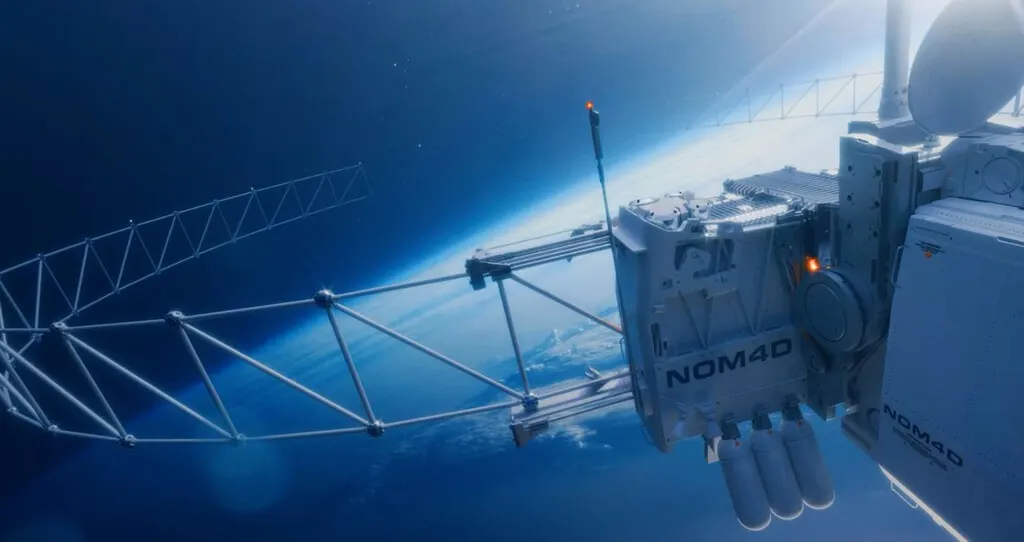
Caltech's ASTRA Robot Builds Antenna Module Autonomously in Orbit
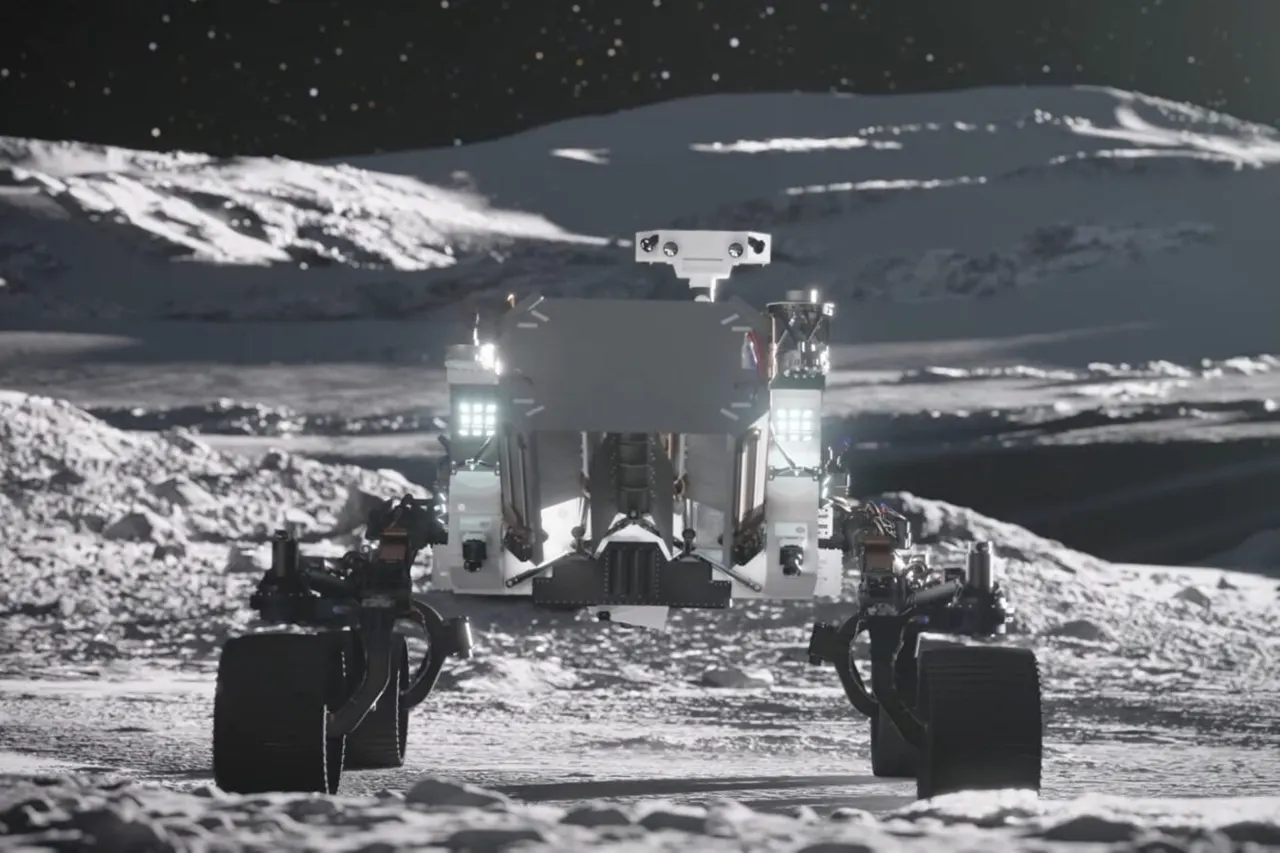
NASA's PROMISE Rover Will Run on Nuclear Power at Moon's South Pole
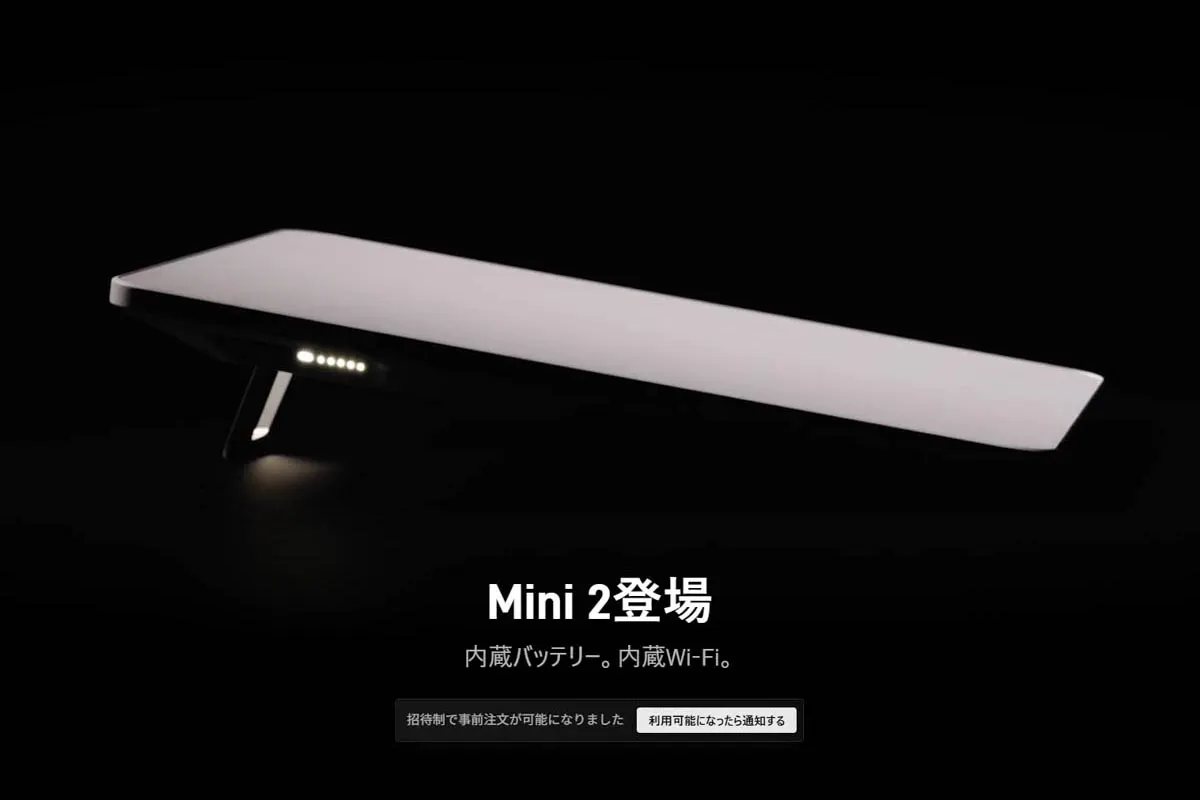
Starlink Mini 2 Adds Swappable Battery for 4.5 Hours Off-Grid