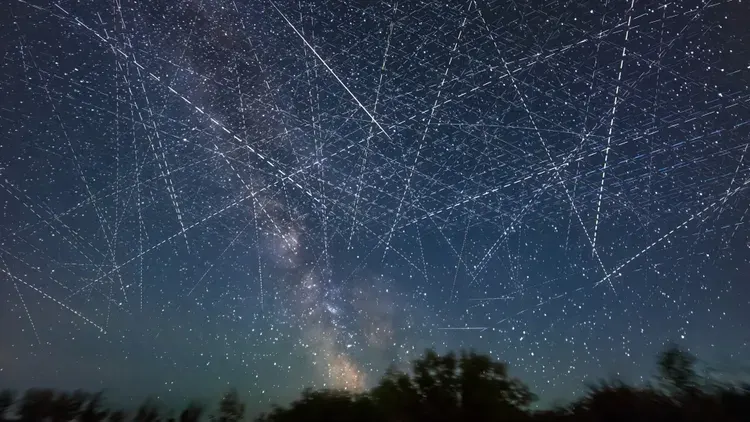
Voyager 2 won't reach one light-day from Earth until 2035
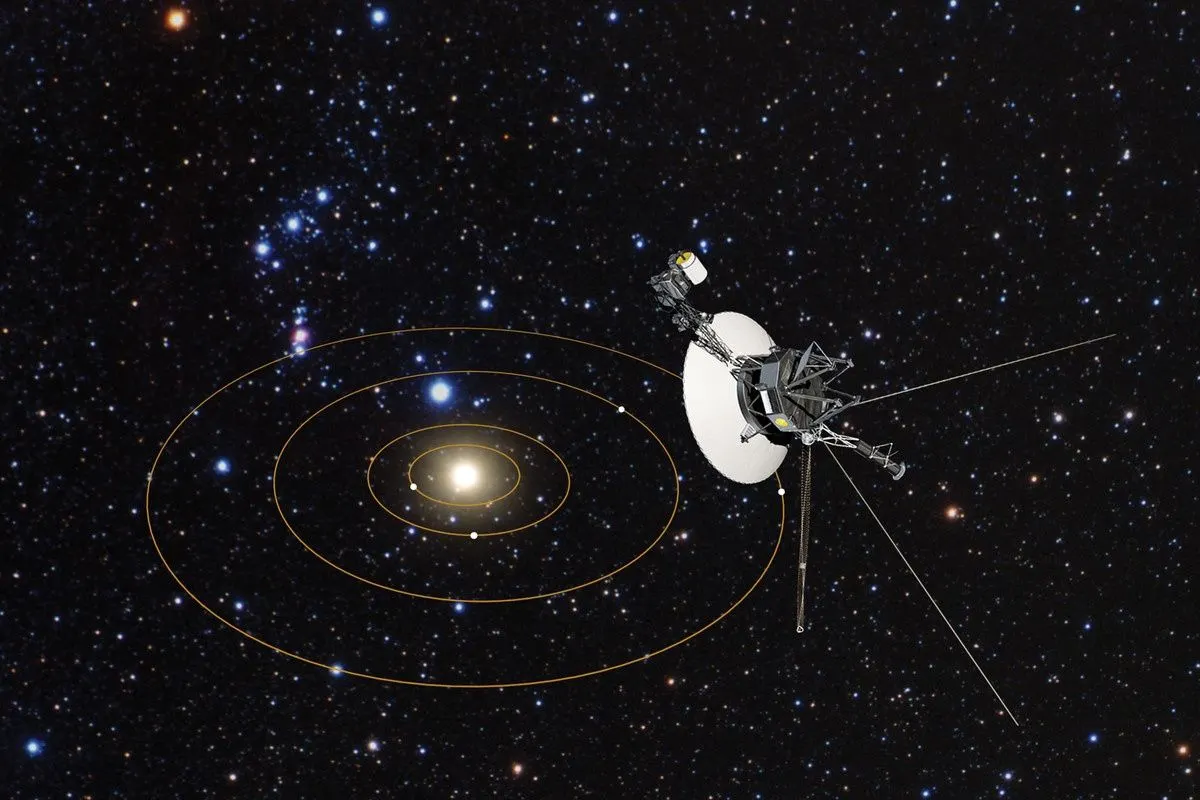
Voyager 2 launched 16 days before its twin, yet it will cross one light-day from Earth only in October 2035. Voyager 1 got there long ago.
 SUMO· the number puzzle
 Dialo· learn languages by speaking
 ediviewer· read EDI files like documents
 giftdetect· the right gift in minutes
Voyager 2 left Earth first, on 20 August 1977. It still won't be one light-day away from us until October 2035. Voyager 1, which launched later, is already past that mark.
A light-day is the distance light travels in 24 hours. Voyager 2 trails its twin by roughly 4 billion kilometres. The NASA-based visualisation tools used for the estimate give a margin of error of about a week.
Why is Voyager 2 behind Voyager 1?
The two probes were never flown as a pair. Both were meant to visit Jupiter and Saturn, a trip made possible by a rare planetary lineup that NASA's Gary Flandro described in 1964. Such a chain of gravity assists, which speed a spacecraft up without burning much fuel, comes around only once every 175 years.
NASA first considered four spacecraft: two heading toward Pluto, two toward Uranus and Neptune. The programme shrank to two missions. Voyager 1 got priority for a fast arrival at Jupiter, which is why it carries the "1", and that put it on a quicker path despite the later launch.
Then the plans changed again. Voyager 1 was sent past Titan, Saturn's largest moon and a favourite of researchers because of its atmosphere. That trajectory meant skipping other targets and sent the probe outward faster. Voyager 2 was free of that job and carried on to Uranus and Neptune. It is still the only spacecraft that has visited both.
Its 16-day head start vanished fast. By December 1977, Voyager 1 had already overtaken it.
What happens when they cross a light-day?
Keeping in touch is getting harder, because the power sources on board are slowly running down. Astronomers expect radio contact with both probes will probably be lost around that distance.
Eric Christian of the project's science team put it this way: "When that happens, we will lose contact with both Voyagers, but they will keep moving between the stars, without power, for millions of years."
Apps worth a look
SUMO: the number puzzleTap the right tiles, add them up, hit the target. Easy to learn, hard to master. Free, for all ages.
Dialo: learn languages by speakingTalk to an AI conversation partner; every sentence comes back corrected and explained in your language. 9 languages, A1 to C2.
ediviewer: read EDI files like documentsOpen EDIFACT and X12 messages, see every segment explained, convert to JSON/XML, export PDF and Excel. Runs locally, no upload.
giftdetect: the right gift in minutesPick who it is for, the occasion and their personality. The search engine reads product descriptions from local shops and ranks what fits. Free, no sign-up.
More from this day
See all →
Siri AI daily limit in iOS 27.3: which requests count
Greek prison drones: a pistol got in even after the jammer worked
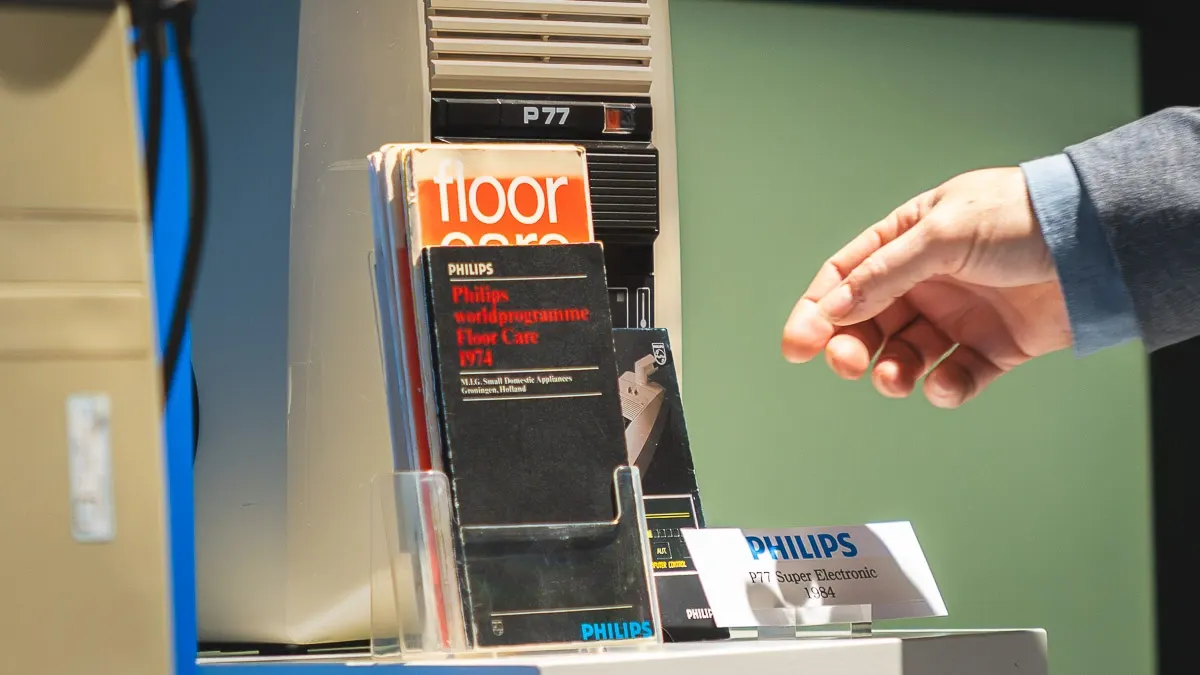
Philips P79: the cardboard 'app' for a 1980s vacuum still works
GTA San Andreas house in GTA 6: where to find it in Leonida
More in: Space
See all →
PODS: Europe's orbital strike weapon built on a science capsule
Starship chopsticks catch: tower cameras show Ship in slo-mo
Common Space satellite: a nonprofit's Earth-imaging craft launches 2027