Greek prison drones: a pistol got in even after the jammer worked
A Greek anti-drone jammer brought down a drone over a Crete prison, but not before it dropped a pistol into the yard. Greece is now adding 25 military-built systems.
 SUMO· the number puzzle
 Dialo· learn languages by speaking
 ediviewer· read EDI files like documents
 giftdetect· the right gift in minutes
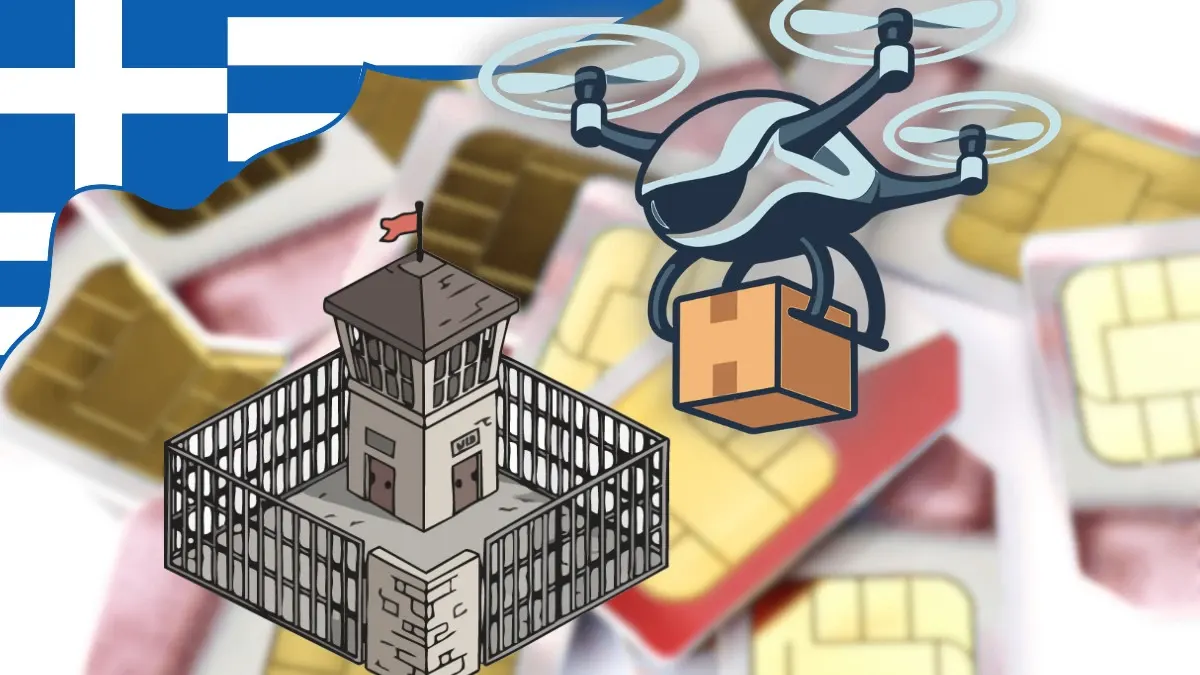
Greek prison drones have moved on from phones to firearms. On 17 November, a drone dropped a pistol into the yard of the prison in Chania, on Crete. The guards' anti-drone system worked, and the machine crashed in a nearby field. The package, though, was already on the right side of the wall.
A guard spotted the drone approaching and saw it release an object. Security footage later showed an inmate picking it up. Officers searched his cell and shared areas and found a pistol with some parts missing in a rubbish bin. Greek public broadcaster ERT said the weapon may have been meant for a 38-year-old serving a life sentence. The Ministry of Citizen Protection confirmed the find but did not reveal everything about the intended recipient.
Not the first drone delivery
In August, guards at the Larissa prison jammed a drone heading for an exercise area. Its cargo: 12 mobile phones, 21 SIM cards, 4 wireless routers, 3 USB drives, 18 charging cables, plus headphones and adapters. That is less a stray phone over the fence than a full kit for communicating outside prison oversight. Similar cases hit Drama and Larissa around February and March.
How do the Greek anti-drone systems work?
They rely on electronic warfare, not missiles. A jammer disrupts the link between drone and operator, or the satellite navigation signal. What happens next depends on the drone: some return to their launch point, some land, some carry on with a programmed route.
The Defence Ministry has handed prison services 10 new units, the first batch of 25 ordered. With 10 delivered in 2025, the total will reach 35. They were developed by KETAK, a research centre attached to the Hellenic National Defence General Staff. Greek media call the new generation Tefkros II. The ministry says earlier systems helped stop 11 smuggling attempts in 2026, and in 5 of them the drones were disabled and their cargo seized. Range, frequencies and how many targets they can handle at once have not been made public.
The Chania case shows the weak spot. Jamming a drone after it has released its load does not stop the delivery, so early detection, through radar, cameras, radio analysers or acoustic sensors, matters as much as the jammer.
Apps worth a look
SUMO: the number puzzleTap the right tiles, add them up, hit the target. Easy to learn, hard to master. Free, for all ages.
Dialo: learn languages by speakingTalk to an AI conversation partner; every sentence comes back corrected and explained in your language. 9 languages, A1 to C2.
ediviewer: read EDI files like documentsOpen EDIFACT and X12 messages, see every segment explained, convert to JSON/XML, export PDF and Excel. Runs locally, no upload.
giftdetect: the right gift in minutesPick who it is for, the occasion and their personality. The search engine reads product descriptions from local shops and ranks what fits. Free, no sign-up.
More from this day
See all →


More in: Security
See all →
Java4shell (CVE-2026-114938): a Java flaw and a safe check script

pass1111 is Japan's most leaked password in NordPass's 2026 list
Hankoya.com card data leak: 8,220 cards may be exposed