Satellites over your city now outnumber the stars you can see
A new analysis says an average UK city has 710 satellites overhead at any moment of the night. Only around 105 of them are bright enough to rival stars.
 SUMO· the number puzzle
 Dialo· learn languages by speaking
 ediviewer· read EDI files like documents
 giftdetect· the right gift in minutes
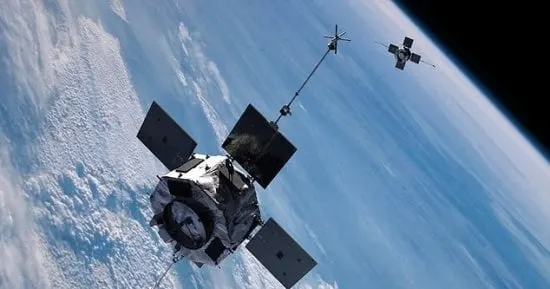
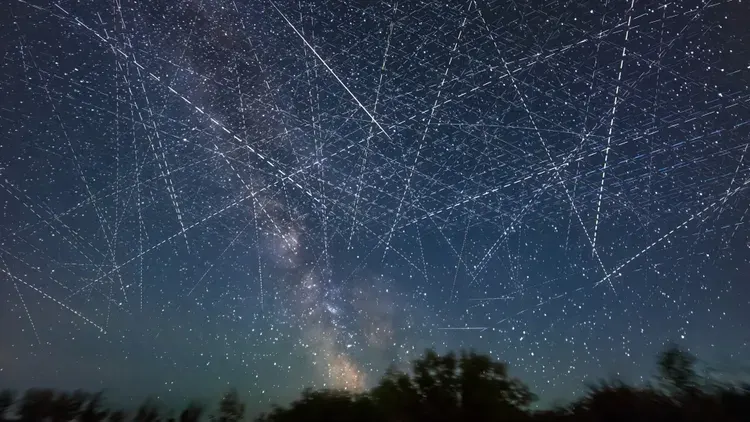
Look up on a clear night and you may be sharing the sky with more than 700 satellites. In many places, that is more than the number of stars you can see with the naked eye.
That is the claim of a new analysis from the engineering firm Accu Components. It tracked 15,833 working satellites in low Earth orbit, up to 2,000 kilometres high, using US Space Force data published on CelesTrak. The data covered 12 and 18 October. With a fully open horizon, an average British city had 710 satellites overhead at any moment of the night. The study has not been peer reviewed.
The firm says the picture is similar across much of Europe, the US and other temperate regions, especially between 40 and 50 degrees north and south. The reason is Starlink. Most of its satellites orbit at roughly 53 degrees to the equator, so they bunch up at those latitudes. Near the equator the sky is emptier, with about 490 satellites. The company stresses the global figures are approximate and based on a single day.
Can you actually see all those satellites?
No. Satellites make no light of their own. You only see them when the Sun lights them while the ground below is already dark. By the study's estimate, an average of 105 of the 710 reflect sunlight and shine about as brightly as stars.
The number swings through the night. In the first hour after dark, around 300 satellites over a typical British city catch sunlight. By midnight fewer than 20 do. Before dawn it climbs back to about 300. Over a whole night, an average British city sees 12,891 different satellites pass.
Why astronomers are worried
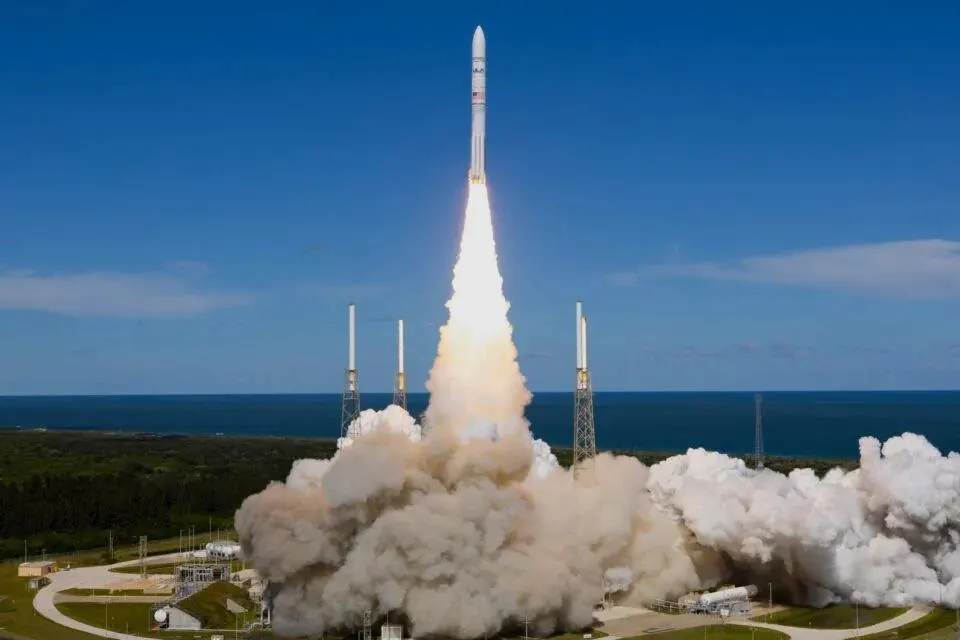
Satellite numbers have jumped over the past decade, mainly because SpaceX is building out Starlink for internet access. Companies plan to launch hundreds of thousands, perhaps millions, more in the coming decades. If that happens, satellites would outnumber stars almost anywhere on Earth.
For astronomers, that means streaks across telescope images and a brighter night sky from reflected sunlight. Over time, even the most powerful telescopes could lose the ability to see the faint, distant stars and galaxies that hold clues to the history of the Universe.
Apps worth a look
SUMO: the number puzzleTap the right tiles, add them up, hit the target. Easy to learn, hard to master. Free, for all ages.
Dialo: learn languages by speakingTalk to an AI conversation partner; every sentence comes back corrected and explained in your language. 9 languages, A1 to C2.
ediviewer: read EDI files like documentsOpen EDIFACT and X12 messages, see every segment explained, convert to JSON/XML, export PDF and Excel. Runs locally, no upload.
giftdetect: the right gift in minutesPick who it is for, the occasion and their personality. The search engine reads product descriptions from local shops and ranks what fits. Free, no sign-up.
More from this day
See all →
AI gift ideas: Germans get the cheapest suggestions

Flipper One Kickstarter hits 46x its goal in two days

Tech outages may trace back to a flood of AI-era software patches