South Korea to Move Up to 250 Public Systems to Private Cloud
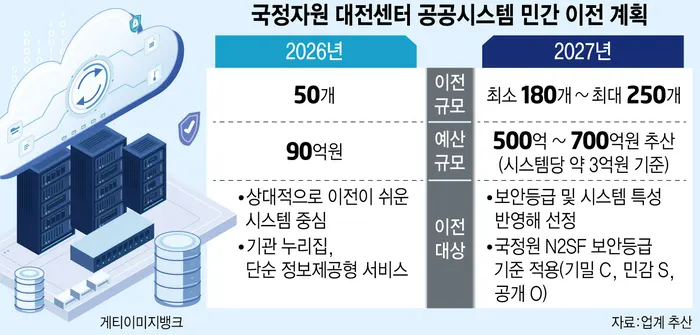
South Korea plans to shift up to 250 government systems to private clouds next year, after 50 this year, as it closes its Daejeon data center by 2030.
 SUMO· the number puzzle
 Dialo· learn languages by speaking
 ediviewer· read EDI files like documents
 giftdetect· the right gift in minutes
South Korea's Ministry of the Interior and Safety plans to move between 180 and 250 public information systems from a state data center to private cloud providers next year, following 50 systems this year. The move opens a new market for cloud service providers (CSPs) and managed service providers (MSPs).
The ministry recently outlined the plan at a briefing for domestic CSPs. It aims to close the National Information Resources Service's Daejeon center by 2030. The center currently runs 693 public information systems.
Which systems move first
The 50 systems already confirmed for this year are relatively easy to migrate, such as agency websites and simple information services. After pre-testing and a stabilization period, the government expects to finish those transfers by the first quarter of next year.
Next year's targets will be chosen based on the National Intelligence Service's N2SF security grades (classified, sensitive and open) and on each system's characteristics. Specific systems will be decided once the budget is finalized.
A market worth hundreds of billions of won
This year's migration budget is 9 billion won. Industry estimates put next year's budget at 50 billion to 70 billion won, assuming roughly 300 million won per system. Volumes should keep rising as the Daejeon center is wound down in stages.
Competition is already intense. Public cloud contracts typically continue from initial migration into operation and maintenance, and once a provider is chosen, the environment, data and management systems are built around it. Switching can be costly, so winning early customers this year is seen as a long-term advantage.
MSPs also stand to benefit, since moving public systems requires analysis of existing systems, migration design, conversion and stabilization. With security in focus, demand should grow for providers with proven security and operations capabilities. An industry official said the strong lock-in effect of CSP business will drive a race to secure early volume.
Apps worth a look
SUMO: the number puzzleTap the right tiles, add them up, hit the target. Easy to learn, hard to master. Free, for all ages.
Dialo: learn languages by speakingTalk to an AI conversation partner; every sentence comes back corrected and explained in your language. 9 languages, A1 to C2.
ediviewer: read EDI files like documentsOpen EDIFACT and X12 messages, see every segment explained, convert to JSON/XML, export PDF and Excel. Runs locally, no upload.
giftdetect: the right gift in minutesPick who it is for, the occasion and their personality. The search engine reads product descriptions from local shops and ranks what fits. Free, no sign-up.
More from this day
See all →
Cadillac Super Cruise Launches in Europe: Hands-Free to 130 km/h

France's gigabyte tax drops out of the 2027 budget: can it return?
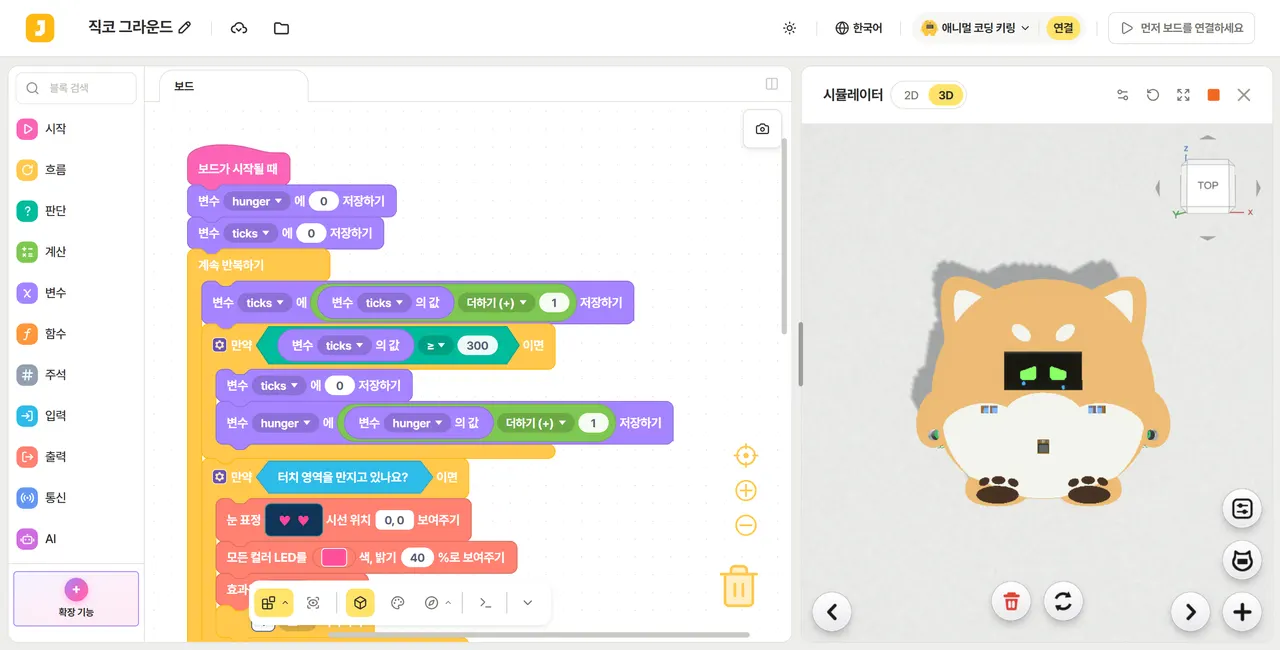
Makeitall Launches JIKKO GROUND, a Web Platform for Physical AI Classes