Russia's E-Scooter Rules Draw Pushback From Operators, Couriers
Micromobility operators and delivery firms have asked Russia's transport ministry to soften draft rules that would classify powerful e-bikes and scooters as mopeds.
 SUMO· the number puzzle
 Dialo· learn languages by speaking
 ediviewer· read EDI files like documents
 giftdetect· the right gift in minutes
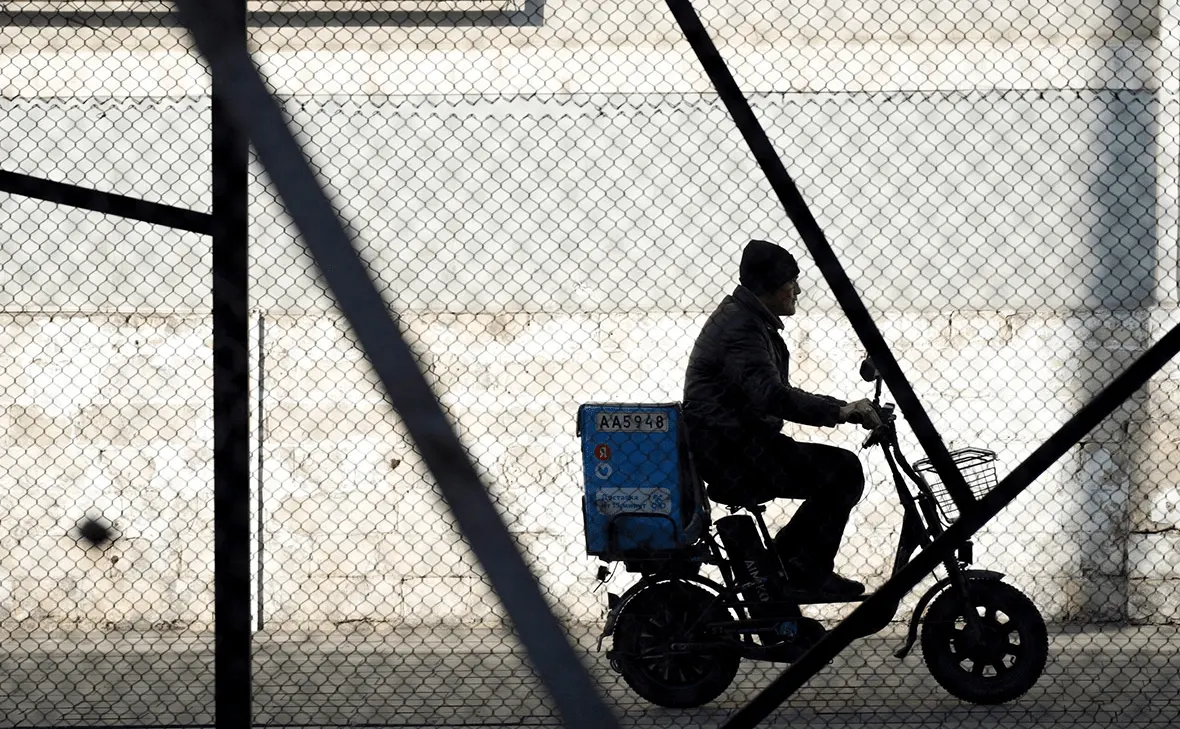
Micromobility operators and delivery companies are asking Russia's Ministry of Transport to soften draft amendments to the traffic rules. The ministry published the proposal for public consultation on 3 November 2026. It would classify electric scooters and e-bikes with motors of 250 W to 4 kW as mopeds, which require a category M licence. It would also ban couriers, and owners of personal mobility devices weighing over 35 kg, from riding on pavements.
Many officials, lawmakers and experts back the initiative, arguing it will make streets safer for pedestrians. Some provisions, however, have drawn scepticism.
Operators and couriers object
The Association of Micromobility Operators, whose members include Yandex, MTS Yurent and Whoosh, proposes dropping the category M requirement for couriers. Instead, kick-sharing operators could train riders in the rules of the road. Otherwise, the association warns, some couriers may leave the market and delivery could become slower and more expensive.
Grocery delivery service Kuper noted that large numbers of couriers riding on the carriageway would be dangerous for them and for drivers, because traffic speeds differ sharply. To keep couriers off pavements, it says, dedicated cycle lanes and paths are needed.
Enforcement doubts
Experts question whether the rules can be enforced. The pavement ban applies only to trips made for "commercial purposes", noted Vitaly Gaevsky, a professor at MADI. "How do you prove a courier isn't riding home?" he asked. Experts also point to the lack of a certification system for e-scooters and e-bikes: a manufacturer could declare 249 W for a more powerful motor, and owners can remove speed limiters after purchase.
Children under 16 would be allowed to ride only outside "public areas". Read literally, Gaevsky says, that would exclude even courtyards and parks.
The operators' association also criticised a rule banning parking of such devices outside designated spots. Each site would need its own traffic management plan, and municipalities already struggle for funds, the group warned, proposing a delay to the restrictions.
Apps worth a look
SUMO: the number puzzleTap the right tiles, add them up, hit the target. Easy to learn, hard to master. Free, for all ages.
Dialo: learn languages by speakingTalk to an AI conversation partner; every sentence comes back corrected and explained in your language. 9 languages, A1 to C2.
ediviewer: read EDI files like documentsOpen EDIFACT and X12 messages, see every segment explained, convert to JSON/XML, export PDF and Excel. Runs locally, no upload.
giftdetect: the right gift in minutesPick who it is for, the occasion and their personality. The search engine reads product descriptions from local shops and ranks what fits. Free, no sign-up.
More from this day
See all →
Apple Opens Siri AI to All Developers in 27.3 Beta Preview
PFN releases PLaMo 3 Translate, an offline AI translator
Russian Railways tests robot dog to check Lastochka train repairs