Shigeru Miyamoto on Generative AI: "There Will Always Be a Role for Us"
The 73-year-old creator of Super Mario and Zelda says generative AI is a shift like the word processor, and that genuine creative talent will still matter.
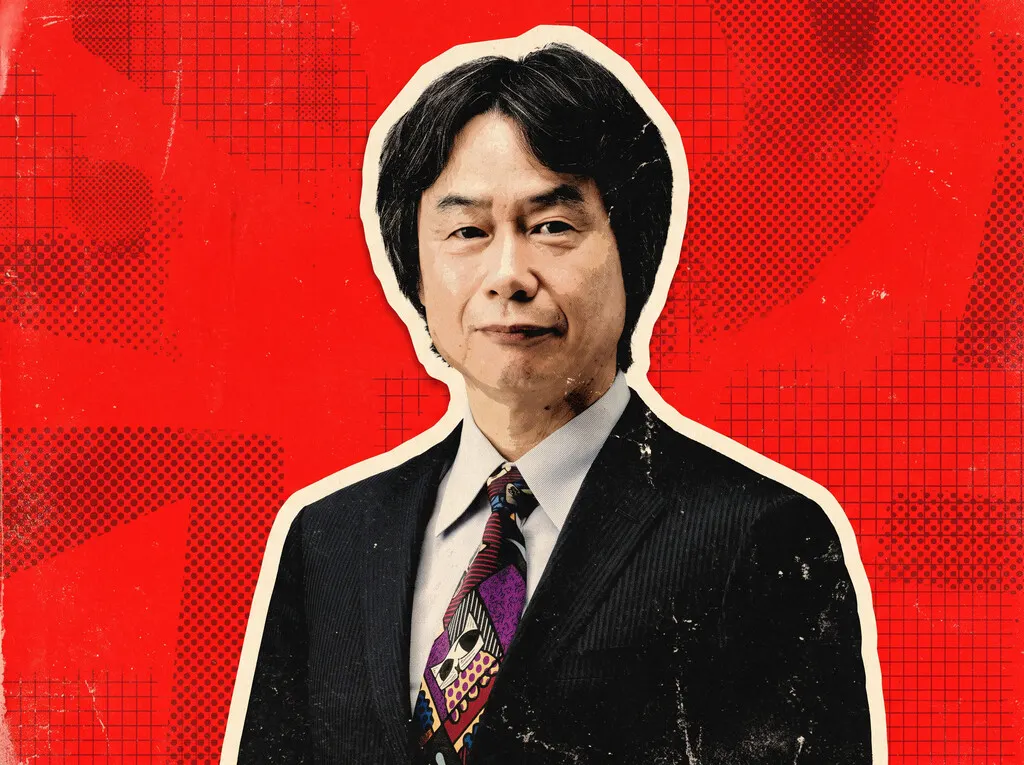
Shigeru Miyamoto, the creator of Super Mario and The Legend of Zelda, does not expect generative AI to replace human creators. Asked about the technology, the 73-year-old said that even if AI were to take care of everything, "there will always be a role for us".
Miyamoto spoke to the press after receiving the Order of Culture, a prestigious Japanese honor for contributions to art, science and technology. Rather than offer a dramatic forecast, he drew on his own experience: "Our generation lived through a period of rapid computing development, a time when tools were constantly evolving, from typewriters to word processors." In his view, those tools put individual creativity ahead of mere technical mastery, and he believes "generative AI represents a similar change".
Effort is not the same as quality
Miyamoto acknowledged that creating is satisfying in itself, but warned of a trap: a person can find fulfillment in the work and wrongly believe they have made something of high quality. Hours spent on a design do not make it good.
That is where he sees a benefit. "The more AI replaces these tasks, the more opportunities there will be to reflect on what truly matters," he said. For him, the creator's intent is everything, and designs built through copy and paste "rarely stand the test of time".
AI is already part of game development
His comments come as AI is widespread in the industry. A 2025 survey found that 87% of game developers already used AI agents in their daily work, for tasks ranging from writing code and generating dialogue to building levels.
The difference between a tool and a replacement is clear in the reaction to Codex Mortis, a game made entirely with AI. Its demo reached Steam last December and players responded very negatively, with some calling it "soulless machine-generated garbage".
Miyamoto's position fits that gap: AI can help build a game, but the ideas and creativity that make it worth playing are a separate matter. His stance suggests AI is unlikely to end art or creativity, though it may be hard on mediocre work.
Apps worth a look
 SUMO: the number puzzle
Tap the right tiles, add them up, hit the target. Easy to learn, hard to master. Free, for all ages.
 Dialo: learn languages by speaking
Talk to an AI conversation partner; every sentence comes back corrected and explained in your language. 9 languages, A1 to C2.
 ediviewer: read EDI files like documents
Open EDIFACT and X12 messages, see every segment explained, convert to JSON/XML, export PDF and Excel. Runs locally, no upload.
More from this day
See all →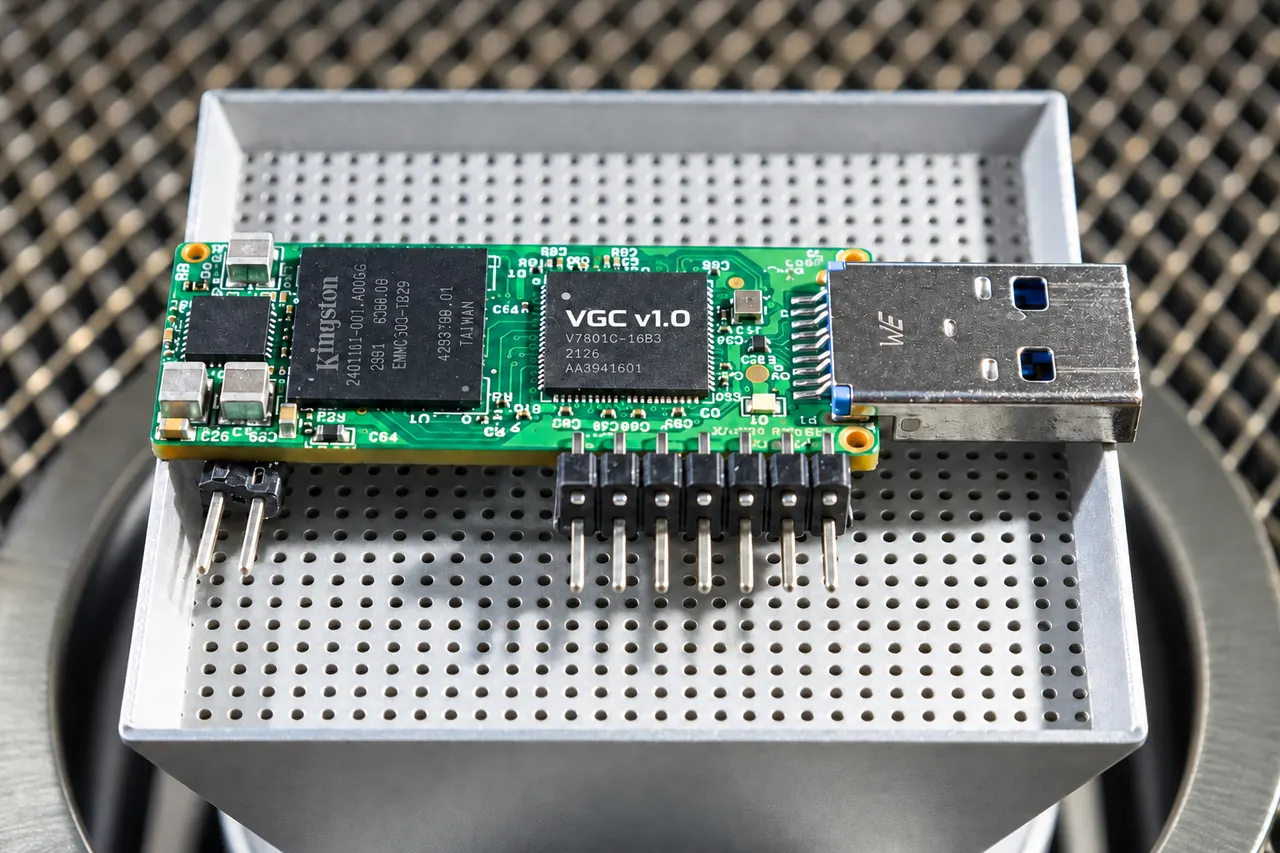
Viettel unveils VGC v1.0 chip for secure government systems
Tumbleweed raises €6.9M, Austria's largest spacetech seed round
Omen AI buys Aquatic Labs for $16 million to monitor data center water