Samsung Asks UMC for More Display Chip Wafers, Gets Turned Down
Samsung reportedly asked Taiwan's UMC for 10,000+ extra wafers for OLED display driver chips as foldable sales beat forecasts, but UMC said it has no capacity.

Samsung Electronics has reportedly been turned down by Taiwan's UMC after asking for more than 10,000 additional wafers to make OLED display driver ICs (DDIs). The request followed stronger-than-expected demand for its foldable smartphones, according to a report from Taiwan's Economic Daily News on November 2 (local time).
UMC is said to have told Samsung that its fabs are running at their limit and that it cannot allocate new volume.
Why the order was cancelled in the first place
Samsung had earlier expected limited growth in the smartphone market. It pointed to rising component prices caused by the memory chip shortage, along with global inflation pressure. On that basis, it withdrew a plan to have UMC make more than 10,000 DDI wafers.
The market then moved the other way. Smartphone sales exceeded forecasts, and demand for the Galaxy Z Fold8 and Flip8 series in particular left Samsung needing more display driver chips. The new request is read as an attempt to restore the volume it had cancelled.
UMC had little room to help. After Samsung cancelled its contract, the foundry filled that capacity with orders from other customers, whose production schedules are already fixed.
What it means
A DDI processes the signals it receives from the application processor and sets the brightness and color of each pixel. It is essential for driving OLED panels, so a shortage could affect finished smartphone production.
The episode points to tighter supply in the foundry market, especially in mature processes used for general-purpose chips. Some manufacturers have less spare capacity, and they are becoming selective about which orders to accept.
A South Korean semiconductor industry source said that rising foldable sales inevitably lift DDI demand, and that using several manufacturers to secure parts is a common strategy. The source added that major foundries are already devoting substantial capacity to committed volumes, so taking on extra orders outside existing contracts may be difficult.
Apps worth a look
 SUMO: the number puzzle
Tap the right tiles, add them up, hit the target. Easy to learn, hard to master. Free, for all ages.
 Dialo: learn languages by speaking
Talk to an AI conversation partner; every sentence comes back corrected and explained in your language. 9 languages, A1 to C2.
 ediviewer: read EDI files like documents
Open EDIFACT and X12 messages, see every segment explained, convert to JSON/XML, export PDF and Excel. Runs locally, no upload.
More from this day
See all →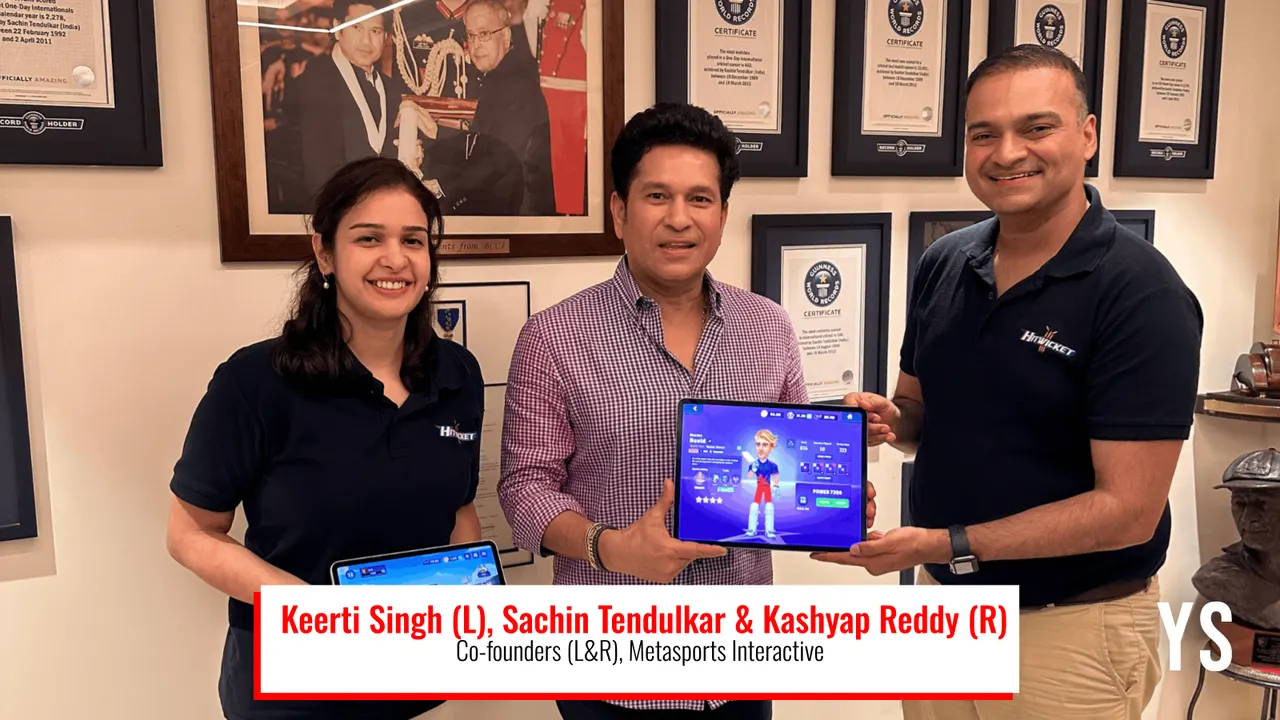
Sachin Tendulkar Backs Hitwicket Maker Metasports Interactive
GIVA Raises Over $100 Million in Round Led by Multiples PE
India Becomes ChatGPT's Largest Market by Weekly Active Users
VARA Licence Required for Most Dubai Real-World Asset Tokens
More in: Hardware
See all →
Apple M6 iMac Hands-On: Same Design, Faster Chip and Wi-Fi 7
eBay Listing Offers 9,600 NVIDIA A100 GPUs for $59.7 Million
COOLMOD Black Friday: COOLPC Black Gaming PCs From €699.95