Why plane turbulence is getting more common, and why it hurts
Injured crew and passengers from Puerto Rico to Brisbane point to the same cause. Turbulence is rising, and warmer air is a big reason why.
 SUMO· the number puzzle
 Dialo· learn languages by speaking
 ediviewer· read EDI files like documents
 giftdetect· the right gift in minutes
If it feels like your flights are bumpier than they used to be, you are not imagining it. Turbulence on planes is becoming more frequent, and the last few months have produced some rough examples.
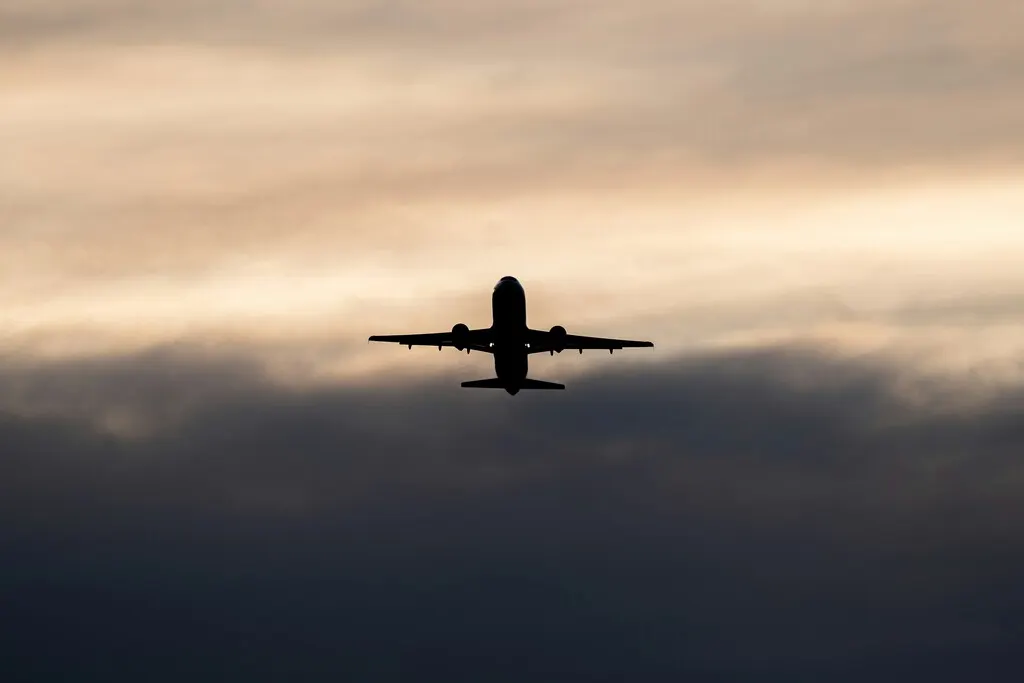
A little over a week ago, several people, crew included, were hurt on a flight between Puerto Rico and Florida. In October another plane had to land early in Miami with eight injured. In August, 20 flights were suspended in Colorado. In May, ten people needed treatment after a flight out of Brisbane, Australia. Turbulence was the common thread.
Is turbulence dangerous for the plane?
Experts say no. Pilot Perico Durán, author of the book "Volar sin miedo", has said there has never been an accident caused by turbulence. Aerospace engineer Sergio Hidalgo has called it impossible for turbulence to bring a plane down.
People are another matter. In extreme cases passengers can end up with broken limbs, which is what happened to those travelling with Andrew Davies, who described his experience to CNN. The practical advice is simple: keep your seat belt fastened whenever you are seated.
What causes turbulence?
It happens when the airflow around the plane changes abruptly. Most of it is weather: clouds forming, with air moving vertically. Mountains and jet streams, very narrow bands of fast air high in the atmosphere, also do it. A plane can even shake itself when both wings hit strong currents at once.
Warm regions see more of it. The sun heats land or water, warm air rises, and that vertical push hits the aircraft.
Why is it increasing?
The explanation given is climate change. Onboard radar can spot the violent flows from mountains or jet streams fairly well. What it struggles with is clear-air turbulence, which strikes without a storm in sight. A warmer planet encourages faster, more violent vertical air currents, and these catch pilots and aircraft systems off guard.
It is no coincidence that the incidents above happened on routes over warmer waters. They are the cases with the worst effects, but turbulence has risen worldwide, even on flights that used to be calm.
Apps worth a look
SUMO: the number puzzleTap the right tiles, add them up, hit the target. Easy to learn, hard to master. Free, for all ages.
Dialo: learn languages by speakingTalk to an AI conversation partner; every sentence comes back corrected and explained in your language. 9 languages, A1 to C2.
ediviewer: read EDI files like documentsOpen EDIFACT and X12 messages, see every segment explained, convert to JSON/XML, export PDF and Excel. Runs locally, no upload.
giftdetect: the right gift in minutesPick who it is for, the occasion and their personality. The search engine reads product descriptions from local shops and ranks what fits. Free, no sign-up.