3D-printed dentures: 88% of full sets survived a two-year trial
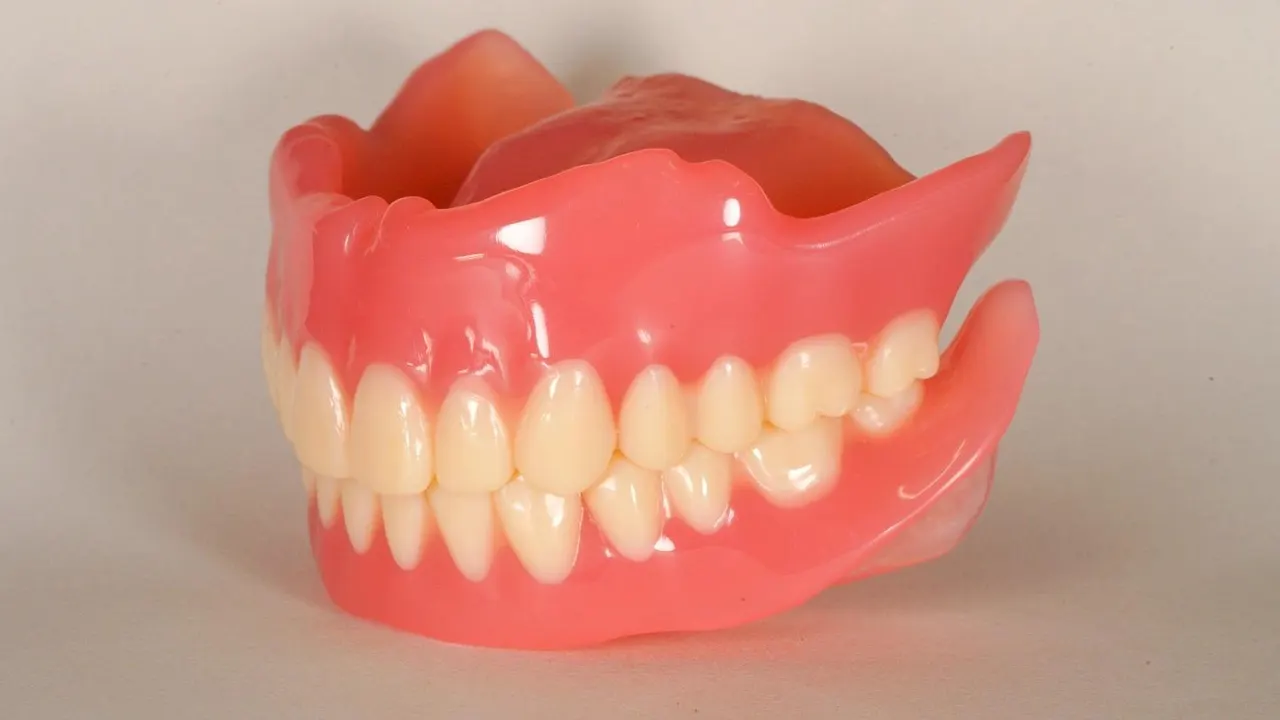
Researchers in Japan followed 36 3D-printed full dentures for two years. Four cracked, all within the first year, and all had a thin palate.
 SUMO· the number puzzle
 Dialo· learn languages by speaking
 ediviewer· read EDI files like documents
 giftdetect· the right gift in minutes
Dentures made on a 3D printer held up for two years in 88% of cases, according to a Japanese study. The four that failed had something in common, and it was a design choice.
A team from Institute of Science Tokyo, Tsurumi University and Mitsui Chemicals tracked 3D-printed full dentures in 18 people, 36 dentures in total. The average age was 75.9, and the oldest participant was 92.
All four breakages happened within a year of fitting, between day 82 and day 290. Any denture that got past that point stayed stable. Each broken one had a thinner palate, the part that covers the roof of the mouth. Three of the four wearers also had the healthiest jaw ridge, the bony base that supports a denture. The researchers suspect that a solid base lets people bite harder, and that force concentrated on the thin section.
Can a broken 3D-printed denture be replaced quickly?
Three of the four were remade from the stored manufacturing data. The team says this makes it quick to replace a lost denture, or one damaged in a disaster, which helps older patients who find hospital visits hard.
Are 3D-printed dentures covered by insurance in Japan?
The Kulzer material used in the study, from a Mitsui Chemicals subsidiary, became the first resin for 3D-printed dentures to be covered by Japan's national insurance.
What the study can't tell you
There was no comparison with conventional dentures, and 18 people is a small group. Only 24 dentures (12 people) were followed for the full two years. The others dropped out because of illnesses unrelated to their dentures.
The material may also improve. Some reports say first-generation 3D-printing resins bend and crack more easily than conventional ones. The next step is a larger, longer study using a stronger new-generation material.
Apps worth a look
SUMO: the number puzzleTap the right tiles, add them up, hit the target. Easy to learn, hard to master. Free, for all ages.
Dialo: learn languages by speakingTalk to an AI conversation partner; every sentence comes back corrected and explained in your language. 9 languages, A1 to C2.
ediviewer: read EDI files like documentsOpen EDIFACT and X12 messages, see every segment explained, convert to JSON/XML, export PDF and Excel. Runs locally, no upload.
giftdetect: the right gift in minutesPick who it is for, the occasion and their personality. The search engine reads product descriptions from local shops and ranks what fits. Free, no sign-up.
More from this day
See all →
Mounjaro trips to Tsushima: Koreans cross the sea for cheaper jabs

Google Advanced Protection Program: what two weeks in is like

Google Antigravity freezes: one setting caused all 37 hangs

Old console browsers: why none can run a modern Chrome
More in: Science
See all →
Air fryer emissions: up to 100 times fewer volatile compounds

HD 158485: a James Webb calibration star is really two stars

Bullvalene plastic stretches 50% and still conducts charge